Why Serie A Matchdays Have Become a Second-Screen Experience
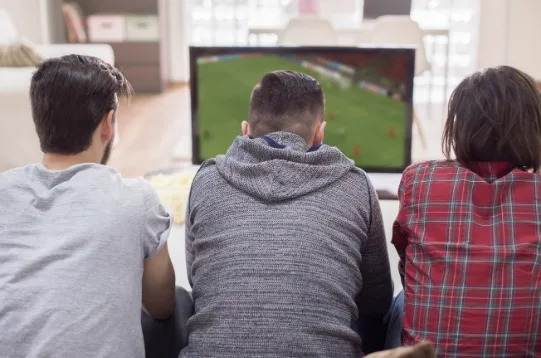
The 2026/27 Serie A season begins on 22 August. Inter open at home against Monza, while Udinese meet Como later that evening. The first round finishes on 24 August with Roma against Fiorentina.
Watching those matches now often involves two screens. The television carries the action, while a phone answers smaller questions immediately: who was booked, who came off, or how a goal changes the table.
The phone has more than one job
Halftime rarely leaves the second screen idle. A supporter may check match statistics, answer messages, watch a clip or open another form of digital entertainment.
The homepage at bestcasino.com brings casino reviews, slot guides, free game demos and payment information into clearly separated sections. That type of organised mobile browsing fits the short gaps available during halftime or a break in play.
Once the match restarts, attention can return to football without losing the earlier context. A quick score check or lineup page usually stays open for the next stoppage.
A scoreline leaves plenty unanswered
In the 65th minute, a 1-0 score still leaves plenty unexplained. A red card, an injury or two recent substitutions may matter more than the score itself. Fans can now check several details while the ball is still in play:
- Confirmed starting lineups and substitutions.
- Goals, cards and major match incidents.
- Current standings affected by the score.
- Kick-off times, venues and television listings.
These details become particularly useful when several Serie A matches overlap. A late goal elsewhere can change the significance of the game currently on television.
ESPN keeps the upcoming Serie A fixtures and match data together by date. Its schedule includes kick-off information and television details for the 2026/27 campaign.
VAR creates a different kind of pause
A VAR review changes how a stoppage feels. The broadcast may replay the incident several times while the phone provides the surrounding information.
Someone joining late can quickly see who scored, whether a card was shown earlier and which substitutions have already happened. That context is useful when a decision affects a player already carrying a booking or changes a tight scoreline.
The second screen works particularly well here because it does not need to repeat the television picture. Its job is to fill in details that the live broadcast cannot keep on screen continuously.
The table can change during ninety minutes
League position becomes more interesting once several matches affect the same part of the standings. A draw can move one club above a rival, while a late winner elsewhere can reverse that situation minutes later.
The 2026/27 calendar makes those connections visible from the opening weeks. Matchday three includes Inter-Napoli and Juventus-Milan on the same weekend, creating several reasons to follow scores beyond one match.
Later in the season, those numbers need interpretation as well as arithmetic. Ongoing Serie A coverage adds form, injuries, tactical changes and recent results to the bare table.
Matchday information works best in layers
Television remains the easiest place to follow movement, positioning and the atmosphere inside the stadium. A phone handles information that would otherwise require waiting for the commentator or post-match coverage.
That division becomes useful over a full Serie A weekend. The match stays on one screen, while the second is useful for checking lineups, incidents and the live table. The 2026/27 season continues until 30 May 2027 and includes two midweek rounds. For supporters following several clubs or the wider table, the second screen has plenty of work ahead.
Lineup changes matter before kick-off
Confirmed lineups can reshape how a match looks before kick-off. One missing starter or an unexpected formation may change the way viewers read the opening minutes.
A supporter who checked the probable eleven earlier may return once the official team sheet appears. One late change can affect pressing, width or the role of a key midfielder.
Substitutes also deserve attention before the match begins. A strong bench gives the coach more options after halftime, while an early injury can force those plans forward. Checking the lineup first makes later substitutions much easier to understand.