How Deepfake Detection Integrates with Modern Identity Verification Systems
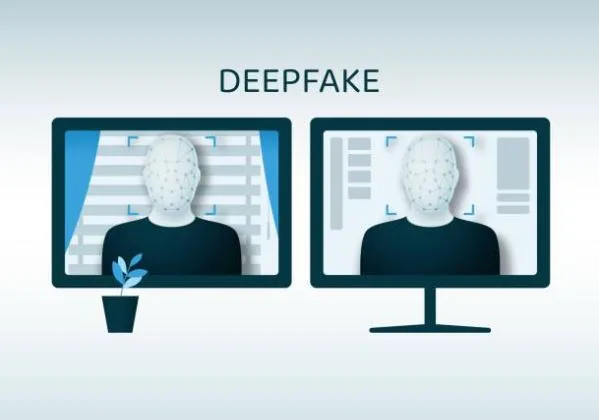
Digital identity verification is becoming more complex as artificial intelligence makes synthetic images, videos, and identities increasingly convincing. Organizations can no longer depend only on passwords, identity documents, or basic facial matching when protecting sensitive accounts and services.
Deepfake detection adds another security layer by analyzing digital media for signs of artificial generation or manipulation. When integrated with facial recognition, liveness detection, document verification, and risk assessment, it can help organizations build stronger identity verification systems designed to address modern impersonation threats.
The Changing Identity Verification Landscape
Traditional identity verification generally focused on whether a person could provide the correct credentials or a valid identity document. Digital services have changed this process by allowing users to verify themselves remotely.
Remote verification creates convenience, but it also introduces new attack opportunities. Fraudsters may use stolen documents, manipulated photographs, synthetic faces, or generated videos to impersonate legitimate users.
Deepfake detection helps address the media manipulation component of these attacks.
What Deepfake Detection Adds to Identity Verification
Deepfake detection examines images, videos, or other digital media for characteristics that may indicate manipulation or synthetic generation.
AI models can analyze facial patterns, frame consistency, lighting, texture, movement, and other signals. In video authentication, systems may also examine temporal relationships between frames.
The objective is not simply to determine whether content looks realistic. Instead, the system searches for technical patterns that may indicate that the media has been altered or generated.
Integrating Deepfake Detection With Facial Recognition
Facial recognition and deepfake detection perform different functions.
Facial recognition evaluates whether a user’s facial characteristics match a trusted identity reference. Deepfake detection evaluates whether the submitted facial media may have been manipulated.
Using both technologies creates a more comprehensive verification process.
For example, a user may submit an identity document and capture a facial video. Facial recognition can compare the user’s face with the document photograph, while deepfake detection analyzes the video for signs of synthetic manipulation.
The results can then contribute to the overall identity risk assessment.
The Role of Liveness Detection
Liveness detection provides another important layer.
While deepfake detection focuses on manipulated or synthetic media, liveness detection helps assess whether a genuine person is physically present during the interaction.
These technologies can complement one another. A verification system can evaluate whether the face matches the identity, whether the user appears to be physically present, and whether the captured media contains potential signs of manipulation.
This multi-layered approach can make certain identity attacks more difficult.
Detecting AI-Powered Impersonation
Generative AI has made it easier to create convincing synthetic faces and manipulate existing video content. Attackers may attempt to use these capabilities to impersonate legitimate individuals.
Deepfake detection can help identify suspicious media before an identity verification request is approved.
However, detection should not operate independently. Combining it with liveness detection, facial recognition, document verification, and device intelligence can provide broader protection against sophisticated impersonation attempts.
Integrating Deepfake Detection Into Digital Onboarding
Digital onboarding is one of the most relevant use cases for deepfake detection.
A typical workflow may involve several stages:
- The user submits an identity document.
- The system checks relevant document characteristics.
- The user captures a facial image or video.
- Facial recognition compares the user’s face with the document photograph.
- Liveness detection evaluates whether a real person is present.
- Deepfake detection analyzes the captured media for potential manipulation.
- Additional risk signals contribute to the final verification decision.
This architecture allows organizations to evaluate multiple aspects of identity authenticity before granting access.
Supporting Risk-Based Decisions
Deepfake detection does not always need to produce a simple yes-or-no result.
Modern identity systems can incorporate detection results into a broader risk score. A low-risk verification attempt may proceed normally, while suspicious media can trigger additional authentication or manual review.
This approach allows organizations to adjust verification requirements according to the circumstances.
For example, an unusual device, high-value transaction, or suspicious biometric signal could increase the required level of verification.
Protecting High-Risk Transactions
Identity verification isn’t limited to account creation. Organizations may need to confirm identity before allowing sensitive actions such as changing account information or completing high-value transactions.
Deepfake detection can become an additional security layer during these events.
Instead of repeatedly applying intensive verification to every user interaction, businesses can use risk signals to determine when stronger biometric and media analysis is appropriate.
Challenges in Deepfake Detection
Deepfake detection is not a perfect technology. As generative models improve, manipulated media can become more difficult to distinguish from authentic content.
Detection systems may also encounter challenges caused by low-quality cameras, compression, poor lighting, network conditions, or unusual recording environments.
False positives are another consideration. Authentic media may contain artifacts that resemble manipulation.
For these reasons, organizations should evaluate deepfake detection as one component of a broader identity security architecture.
Privacy and Data Protection
Identity verification systems often process sensitive personal and biometric information. Integrating deepfake detection therefore requires careful attention to privacy and data security.
Organizations should establish clear policies covering data collection, processing, storage, retention, and access.
Data minimization can reduce unnecessary exposure, while strong security controls can help protect identity information throughout the verification process.
Monitoring and Updating Detection Models
Deepfake detection models require ongoing evaluation because attack methods change rapidly.
Organizations should regularly test detection performance against new types of synthetic media and monitor false acceptance and rejection rates.
Model updates should also be governed carefully to ensure that improvements do not introduce unexpected performance issues.
Continuous testing is particularly important for organizations operating in high-risk environments where identity fraud can have significant consequences.
The Future of Identity Verification
Identity verification is likely to become increasingly multi-layered as AI-generated fraud evolves.
Future systems may combine deepfake detection with facial recognition, liveness detection, document analysis, behavioral intelligence, device signals, and contextual risk scoring.
Instead of asking only whether a user’s face matches an identity document, advanced systems will evaluate whether the identity, person, biometric interaction, and digital media are all consistent with a legitimate verification attempt.
This shift can help organizations adapt to an environment where digital identities are increasingly vulnerable to synthetic manipulation.
Conclusion
Deepfake detection integrates with modern identity verification systems by adding a layer specifically focused on identifying manipulated or synthetic media. Its value becomes greater when combined with facial recognition, liveness detection, document verification, and risk-based authentication.
A strong identity architecture should not depend on one technology. By evaluating multiple independent signals, organizations can improve their ability to identify suspicious verification attempts while maintaining a smoother experience for legitimate users.
As AI-generated content becomes more sophisticated, integrating deepfake detection into identity verification can become an increasingly important part of protecting digital accounts, preventing impersonation, and maintaining trust in online services.