Gift Wrapping Trends in NZ for 2026: Sustainable, Stylish, and Easy
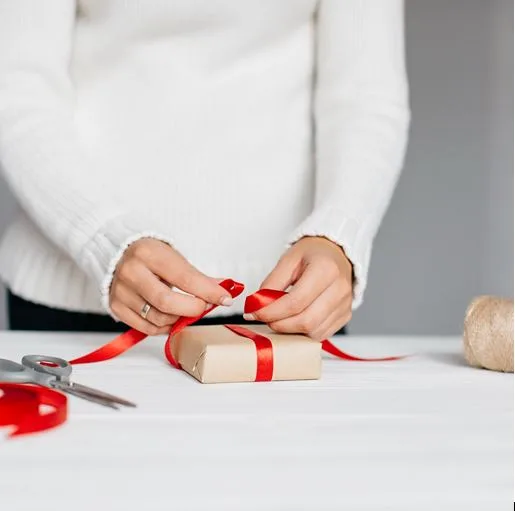
Wrapping paper used to be an afterthought, something grabbed off the shelf on the way to a birthday party without much thought beyond the colour. That’s shifting. More people in New Zealand are actually thinking about what the paper’s made of, whether it can be recycled or composted, and whether it needs to be thrown away at all once the gift’s been opened.
None of this means Christmas is about to look plain or beige. If anything, 2026 is shaping up to be one of the more visually interesting years for gift wrapping in a while, just with better materials underneath the good looks. Kiwi shoppers seem to want both at once now, something that looks good under the tree and doesn’t sit in landfill for the next decade.
There are really three threads running through this year’s wrapping habits. Sustainability is the loudest one, but style hasn’t taken a back seat, and there’s a growing appetite for options that don’t take twenty minutes and three rolls of tape to get right. Here’s roughly where things are heading.
Why the Shift Is Happening Now
A fair bit of this comes down to plain awareness. People know now that glossy, foil-coated or glitter-covered wrapping paper usually can’t go in kerbside recycling, and a lot of it ends up as landfill the moment presents are unwrapped. That’s not exactly new information, but it’s finally translating into different buying habits rather than just guilty conversation over the dishes.
There’s also a practical side to it that doesn’t get talked about as much. Kraft and recycled papers tend to be sturdier than the thin, shiny stuff, so gifts survive wrapping and transport a bit better without tearing at the corners. Sustainability and practicality have ended up pointing in roughly the same direction this year, which is probably why the shift’s sticking rather than fading after one guilt-driven Christmas.
The Sustainable Side of 2026
Recycled and kraft-based papers are the obvious starting point, and they’re genuinely everywhere this year, not just at the speciality eco stores. Plain or lightly printed kraft paper has gone from a niche choice to something closer to the default option for a lot of households and gift retailers alike.
Fabric wrapping, the furoshiki style borrowed from Japan, is picking up more attention too. A square of fabric tied around a gift replaces paper entirely and gets reused indefinitely, which appeals to people who’ve decided paper waste is the part of Christmas they’d rather cut out completely. It suits a smaller number of gifts realistically, since it takes a bit of practice to tie well, but it’s shown up in more NZ gift guides this year than in previous ones.
Reusable ribbon and fabric bows are having a moment as well, mostly because they hold up to being untied carefully and used again rather than getting cut off and binned. And there’s a general move toward less packaging altogether, one solid wrap and a simple bow instead of layers of tissue, cellophane and ribbon stacked on top of each other. Less stuff to buy, less stuff to bin, and honestly it usually looks cleaner too.
The Stylish Side of 2026
Bows are having a genuinely big year. Ribbon & Blues has been calling it Bowmania, and it’s a fair description: oversized bows, layered bows, bows doing most of the visual work instead of a busy printed paper underneath. It pairs neatly with the plainer, more sustainable papers coming through, since a simple kraft or solid-colour wrap gives a big bow something to actually stand out against.
Texture is doing more of the heavy lifting than pattern this year too. Think embossed finishes, linen-look papers, or a matte solid colour instead of the traditional glossy print covered in snowflakes or reindeer. It reads as a bit more considered, closer to how a boutique store would wrap something rather than how it comes straight off a supermarket roll.
Colour palettes have moved away from the usual bright red and green combination toward warmer, more muted tones, think deep greens, rust, cream and gold rather than the primary-colour Christmas look of years past. It photographs well for anyone posting their gift table, which probably isn’t a coincidence given how much of this trend seems to start online before it shows up in shops.
Making It Easy
Not everyone wants to spend an evening perfecting hospital corners on wrapping paper, and retailers have clearly noticed. Pre-cut wrapping sheets sized to fit standard boxes are more common now, cutting out the awkward measuring and trimming that puts a lot of people off wrapping neatly in the first place.
Reusable gift bags have grown in popularity for the same reason: no folding required, no tape, and they get handed straight back and forth between friends and family over the following years. Box and paper combinations sold together are doing something similar, taking the guesswork out of sizing a box correctly and pairing it with paper that’s already cut to suit.
Ribbon that’s pre-tied into bows, ready to stick straight onto a parcel, has also become far more common. It saves the fiddly bit most people find hardest, and it means someone without much practice can still finish a gift looking properly put together.
Where the Sustainability Actually Shows Up
1. Materials That Genuinely Go in Kerbside Recycling
Plain paper without foil, glitter or plastic coating usually can go straight into kerbside recycling, unlike a lot of traditional Christmas paper. More shoppers are checking for this now rather than assuming any paper counts as recyclable.
2. Less Packaging Per Gift
One solid wrap instead of layering paper, tissue and cellophane cuts down on both cost and waste, and it tends to look tidier too rather than fussier.
3. Reusable Over Single-Use
Fabric ribbon, cloth wraps and sturdier boxes are being kept and reused rather than binned after one use, which quietly reduces how much gets bought fresh every year.
4. Reading Past the Greenwashing
“Eco-friendly” on a label doesn’t always mean much on its own. Shoppers are getting sharper about checking whether something’s actually recyclable or compostable rather than just taking the label at face value.
Where the Style and Ease Actually Show Up
1. Bows Doing the Visual Work
A big bow on a plain wrap gets more attention this year than a busy printed paper ever did. It’s a simpler look that still reads as generous and considered.
2. Texture Replacing Pattern
Embossed or matte finishes are standing in for the traditional printed Christmas motifs, giving gifts a slightly more grown-up, boutique look without much extra effort.
3. Pre-Cut and Ready-Made Options
Sheets cut to standard sizes, and ribbon already tied into bows, take out most of the fiddly parts of wrapping without making the end result look rushed.
4. Mixing Materials for a Custom Look
Pairing a plain kraft base with a patterned ribbon, or a solid colour paper with a textured bow, gives a gift a bit of personality without needing to hunt down an elaborate printed paper to begin with.
What This Means for Shoppers
None of this needs to cost more or take longer; if anything, it usually does the opposite. Buying one good quality paper instead of three thin, glossy rolls tends to go further and hold up better. Reusable ribbon and bags save money over a few Christmases rather than just one. And skipping the extra layers of tissue and cellophane means less time spent wrapping each individual present, not more.
Conclusion
Gift wrapping in NZ for 2026 isn’t choosing between looking good and doing the right thing. Kraft paper, reusable ribbon, oversized bows and pre-cut sheets are all pointing the same direction: less waste, less fuss, and honestly a better-looking result under the tree than the glittery rolls of years past.