The Challenges of Industrial Equipment Maintenance
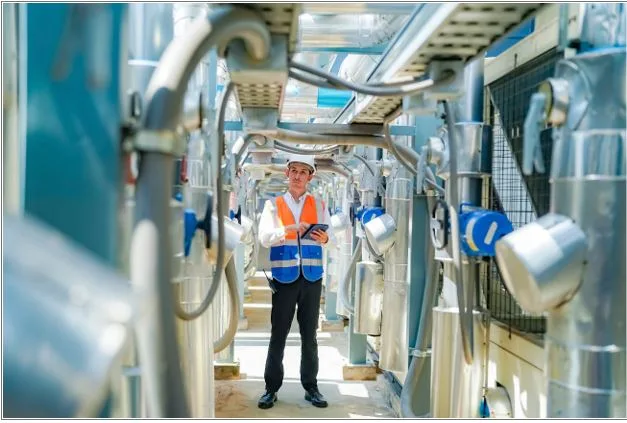
Industrial equipment plays an essential role in modern manufacturing, construction, logistics, energy, and processing facilities. From conveyor systems and hydraulic machinery to compressors, pumps, generators, and automated production equipment, these machines allow businesses to complete complex tasks efficiently and consistently. However, keeping industrial equipment operating reliably requires much more than repairing a machine when something goes wrong.
Maintenance teams work behind the scenes to inspect equipment, identify potential problems, replace worn components, and ensure machinery continues to operate as intended. Their work can be physically demanding and often takes place in environments where production schedules, heavy machinery, and complex operating conditions create additional challenges.
Why Maintenance Matters
Unexpected equipment failures can have significant consequences for industrial businesses. A single malfunctioning machine may slow down a production line, delay deliveries, affect product quality, or require employees to stop their normal tasks while the issue is investigated.
For this reason, many organisations use preventive maintenance programmes to identify potential problems before equipment fails. Routine inspections can reveal worn belts, unusual vibrations, damaged components, fluid leaks, or other warning signs that might otherwise go unnoticed.
Regular maintenance also helps extend the useful life of machinery. Replacing a relatively inexpensive component before it fails can prevent more extensive damage and reduce the likelihood of costly emergency repairs.
Working Around Complex Machinery
Industrial maintenance often involves equipment with multiple moving parts and sophisticated operating systems. Technicians may need to inspect motors, electrical components, hydraulic systems, gears, bearings, control panels, and mechanical assemblies.
Understanding how these systems interact is essential. A problem that appears to originate from one component may actually be caused by another part of the system. Maintenance professionals therefore need technical knowledge, practical experience, and the ability to troubleshoot problems methodically.
Many modern facilities also rely on automated machinery. While automation can improve production efficiency, it introduces additional layers of complexity for maintenance teams. Technicians may need to understand software, sensors, robotics, and digital control systems alongside traditional mechanical components.
The Importance of Planning
Good maintenance begins with planning. Facilities need to determine which equipment requires regular inspections, how frequently those inspections should occur, and which components are likely to require replacement over time.
Maintenance schedules are often based on manufacturer recommendations, equipment usage, operating conditions, and historical performance. High-use machinery may require more frequent attention than equipment that operates occasionally.
Planning also allows businesses to coordinate maintenance activities with production schedules. Whenever possible, routine work can be carried out during planned shutdowns or quieter periods to minimise disruption to operations.
Safety During Maintenance Work
Maintenance activities can present different risks from normal production work. Technicians may need to access machinery, work around electrical systems, enter restricted areas, or handle heavy components.
Before maintenance begins, equipment may need to be isolated from its energy sources to prevent unexpected movement or activation. Lockout and tagout procedures are commonly used to help ensure machinery remains safely shut down while work is being performed.
Clear communication is also important. When several employees or contractors are involved in maintenance activities, everyone needs to understand what equipment is being worked on, which areas are restricted, and when machinery can safely return to operation.
Handling Heavy Components
Industrial equipment can contain components that are too large or heavy to move safely by hand. Motors, pumps, machine parts, and other assemblies may require lifting equipment or specialised tools during maintenance.
Planning the movement of these components helps reduce unnecessary physical strain and prevents damage to both the equipment and surrounding facilities. Cranes, hoists, lifting platforms, and mechanical handling systems can make difficult maintenance tasks more manageable.
Work areas also need to remain organised during repairs. Tools, replacement parts, cables, and removed components can create obstacles if they are not properly managed.
For technicians who regularly move through workshops, production floors, and other challenging areas, protective boots for demanding work environments can be part of a broader approach to maintaining safe working conditions.
Working in Different Environments
Industrial maintenance does not always take place in a controlled workshop. Technicians may need to work inside factories, warehouses, construction sites, processing facilities, utility plants, or outdoor industrial areas.
Each environment presents different challenges. A factory floor may contain moving vehicles and machinery, while an outdoor site may involve uneven surfaces and changing weather conditions. Processing facilities may have additional requirements related to temperature, moisture, chemicals, or cleanliness.
Maintenance teams therefore need to assess the conditions of each work area before beginning a task. Appropriate procedures and equipment can then be selected according to the specific hazards involved.
Preventive Versus Reactive Maintenance
Traditional maintenance programmes often relied heavily on reactive repairs. Equipment would continue operating until a failure occurred, at which point technicians would investigate and repair the problem.
While reactive maintenance remains necessary in some situations, many businesses now place greater emphasis on preventive and predictive approaches. Regular inspections and equipment monitoring can provide early warnings before a failure occurs.
Predictive maintenance takes this concept further by using sensors and data analysis to monitor equipment performance. Changes in vibration, temperature, pressure, or energy consumption may indicate that a component is beginning to deteriorate.
By identifying these patterns early, maintenance teams can schedule repairs at a convenient time rather than responding to an unexpected breakdown.
Technology and Maintenance
Digital technology is changing how industrial maintenance teams work. Computerised maintenance management systems can help organisations schedule inspections, record repair histories, manage spare parts, and assign tasks to technicians.
Mobile devices also allow technicians to access equipment records while working on-site. Instead of relying entirely on paper documentation, employees can update maintenance information in real time.
Some facilities are experimenting with augmented reality and remote assistance technologies. These systems can provide technicians with visual instructions or allow specialists in another location to assist with complex repairs.
Developing Skilled Maintenance Teams
Technology is valuable, but skilled employees remain essential. Maintenance professionals need a combination of technical knowledge, problem-solving ability, practical experience, and safety awareness.
Ongoing training helps technicians stay familiar with new equipment and changing maintenance practices. As industrial facilities become increasingly automated, employees may need to develop skills across mechanical, electrical, digital, and control systems.
Cross-training can also make maintenance teams more flexible. Employees with knowledge of multiple systems can support different areas of a facility when priorities change.
Looking Ahead
Industrial equipment will continue to become more sophisticated as businesses adopt automation, connected machinery, artificial intelligence, and advanced monitoring systems. These developments can make maintenance more predictable and data-driven, but they also create new learning requirements for technicians.
The future of industrial maintenance is likely to involve closer integration between people, machines, and digital systems. Equipment data can help teams identify potential failures, while experienced technicians provide the judgement needed to determine the most appropriate response.
Conclusion
Industrial equipment maintenance is a demanding but essential part of modern operations. Effective maintenance helps businesses reduce downtime, extend equipment life, protect product quality, and create safer working environments.
From planning inspections and handling heavy components to adopting predictive technologies and developing skilled teams, successful maintenance requires coordination across many different areas. As industrial facilities continue to evolve, maintenance professionals will remain an important part of keeping complex operations running reliably and safely.