Character Prototype Design and Art Outsourcing in Modern Game Development
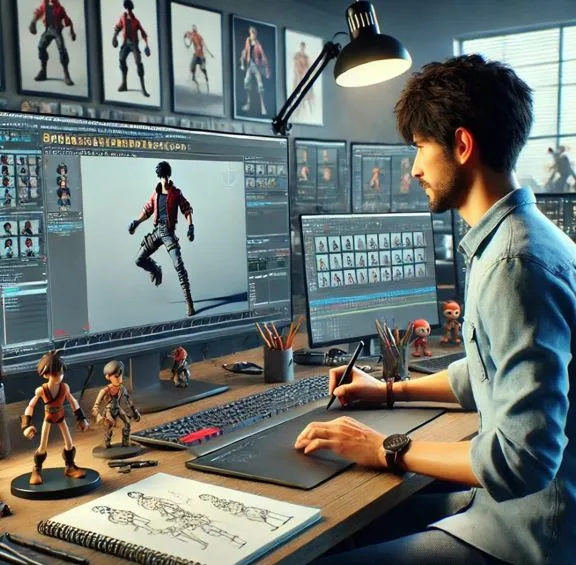
A successful game is not defined only by its mechanics. Visual identity, character personality, environments, animation, interface design, and effects all contribute to how players understand and experience a game. Before a character or environment reaches its final production stage, developers often need clear visual concepts that communicate the intended direction.
This is where character prototype design becomes especially valuable. A well-developed prototype allows a team to explore a character’s appearance, proportions, clothing, personality, and visual style before investing heavily in final assets. Studios can test several ideas, identify weaknesses, and create a consistent artistic direction that supports the game’s overall concept.
Why Character Prototypes Matter
Game development can involve hundreds or thousands of visual assets. Changing a character after modeling, rigging, texturing, and animation have already been completed can be expensive and time-consuming. Prototype design helps reduce that risk by giving developers an opportunity to evaluate concepts at an earlier stage.
A prototype can establish important details such as:
- Character proportions and silhouette
- Clothing and accessory concepts
- Color palettes and materials
- Facial features and expressions
- Weapons or gameplay-related equipment
- Personality and visual storytelling elements
These early decisions can then guide concept artists, 3D modelers, animators, and technical artists throughout production.
From Concept Art to 3D Production
Once a visual direction has been approved, the next challenge is transforming a two-dimensional idea into a functional game asset. Concept art provides the creative foundation, while 3D artists interpret that design for use inside the game engine.
Connecting 2D and 3D Art
A character may look impressive in an illustration but still require adjustments before becoming a practical 3D asset. The model needs suitable topology, correct proportions, appropriate materials, and enough detail for the game’s camera distance and platform.
For example, a mobile game may not require the same polygon density as a high-end PC or console title. Similarly, a character designed for a cinematic sequence may need more detailed textures and facial features than one viewed from a distant top-down perspective.
This is why communication between concept artists and 3D specialists is important. Clear references reduce misunderstandings and help maintain the original creative vision during production.
The Role of Animation and VFX
Static artwork is only one part of a game’s visual experience. Characters need to move naturally, while attacks, abilities, environmental interactions, and special events may require visual effects.
Making Characters Feel Alive
Animation communicates weight, emotion, personality, and gameplay feedback. A carefully designed character can lose its impact if movements appear unnatural or disconnected from the character’s personality.
VFX can further strengthen the experience through effects such as magical abilities, explosions, weather, energy attacks, environmental particles, and impact effects. When animation and VFX are designed alongside the character’s visual language, the final result feels more cohesive.
Why Studios Consider Art Outsourcing
Creating every visual asset internally is not always practical. Smaller development teams may lack specialized artists, while larger studios may need additional production capacity during demanding stages of development. This is one reason art outsource services have become an important part of the modern game development workflow.
Choosing the Right Outsourcing Partner
Outsourcing does not simply mean handing over artwork to an external team. Developers need to ensure that the external artists understand the project’s technical requirements, artistic direction, deadlines, and communication process.
A reliable art production partner should be able to work with established style guides and provide consistent assets across different stages of development. Depending on the project, outsourced services may include concept art, character design, environment art, 3D modeling, texturing, animation, UI/UX, VFX, and specialized game art.
Specialized Art for Different Game Genres
Different game genres require different artistic approaches. A fantasy role-playing game may depend heavily on detailed characters, environments, creatures, and magical effects. A racing game may prioritize vehicles, environments, interface elements, and realistic materials.
Slot and casino-style games have their own visual requirements as well. Slot game art often combines colorful characters, symbols, backgrounds, animations, and effects to create an engaging theme while maintaining visual clarity.
UI/UX design is equally important. Menus, buttons, icons, progress indicators, inventory screens, and other interface components need to be visually appealing while remaining easy to understand.
Creating a Consistent Visual Identity
When multiple artists contribute to a project, maintaining consistency can become challenging. A style guide can define color usage, line quality, proportions, lighting, materials, typography, and other visual rules.
Character prototypes can become part of this system by establishing references that other artists can follow. As development continues, these references help ensure that new assets look like they belong to the same game world.
A More Efficient Development Pipeline
Game art production works best when creative and technical decisions are made in the right order. Starting with clear concepts and prototypes can prevent unnecessary revisions later.
A practical workflow may include:
- Defining the game’s artistic direction.
- Creating initial concepts and character prototypes.
- Reviewing and refining selected designs.
- Producing detailed 2D concept references.
- Developing 3D models, textures, and materials.
- Adding rigging and animation.
- Integrating VFX and UI/UX elements.
- Testing assets inside the game engine.
- Making technical and artistic adjustments.
- Preparing final assets for production.
This structured approach allows developers to identify problems earlier and manage resources more effectively.
The Future of Game Art Production
As games become more visually ambitious, studios need flexible production methods that combine creativity with technical expertise. Character design, illustration, 3D art, animation, VFX, and UI/UX are increasingly interconnected rather than isolated disciplines.
Whether a developer is building an independent title or working on a larger commercial project, thoughtful character prototype design can provide a strong foundation for visual development. At the same time, strategic art outsource partnerships can help teams access specialized talent, increase production capacity, and maintain momentum without expanding their internal departments for every project.