Understanding the Different Approaches to Panic Disorder Treatment
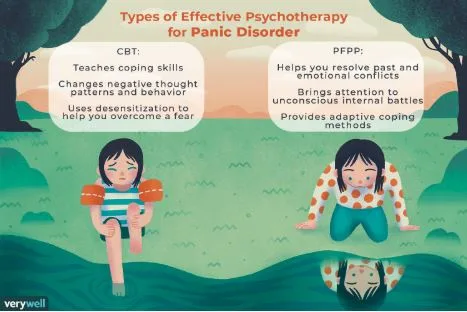
Panic disorder goes far beyond impacting one’s emotions. Multiple occurrences of panic attacks can make routine activities hard, particularly if the person becomes concerned about the next occurrence of an attack. There is, however, good news regarding the management of such symptoms since there are several methods of addressing panic disorder, and treatment for this condition can differ for different patients. For example, some people can receive help through therapy, while others can be prescribed medication. This information can make one understand the panic disorder treatment better.
Starting With The Right Support
However, before choosing the way out, one needs to find out the exact reasons why it happens. A panic attack may cause an abrupt feeling of fear together with the physical symptoms like increased heart rate, dizziness, sweating or problems with breathing.
A healthcare specialist may want to know more about the frequency of the panic episodes, their symptoms and their impact on daily routine to exclude any other possible disorders and to choose the necessary treatment. One should not feel ashamed when discussing this matter, because there is always a solution to this problem.
Cognitive Behavioural Therapy
CBT or cognitive behavioural therapy is one of the widely-used psychological interventions in the treatment of panic disorder. This type of therapy focuses on the relationship between cognition, emotion, and behaviour.
In a situation where an individual has a fast heartbeat, he will think that something terrible will soon happen. In turn, such a thought will trigger more fear which will intensify the physiological experience. Through CBT, the person will be able to see the pattern and adopt new coping mechanisms.
This is not about encouraging the person to be positive at all costs. Rather, it is a process where the therapist and the client work together in dealing with particular thoughts and behaviours.
Guided Self-Help Options
Self-help approaches may also have a role in coping with milder symptom presentations. This doesn’t always have to mean working with all difficulties on your own.
Guided self-help might refer to the use of structured resources rooted in CBT theories combined with the assistance of a professionally trained individual. This may be found beneficial by some individuals because they will be able to go through the process at their own pace.
Guidance by NICE states that guided or unguided self-help based on CBT theory is appropriate for individuals with mild-moderate panic disorder.
When Medication Is Considered
Medication is yet another way that one could think about as an option when the symptoms seem more chronic or when people opt for this type of treatment. Antidepressants, which include SSRIs, are among those types of medications used in the treatment of panic disorder.
Medication does not work immediately and sometimes it might take a few weeks for a person to feel the full benefit from taking antidepressants. One can learn about the benefits and side effects of the medications from doctors and other healthcare professionals.
It is equally important to never start, discontinue or alter dosage of medication without consulting any healthcare professional.
Combining Different Approaches
Treatment does not necessarily have to fall within a single category. Based on the individual patient and their symptoms, a healthcare professional can choose various methods of treatment.
In one case, the person will receive structured therapy, while another one may require medication in addition to psychological assistance. For someone else, self-help together with professional assistance will suit better.
The main thing is that the treatment should be individually based and not be based on the idea that a particular approach is universal. The NICE guidelines suggest taking into account individual factors while choosing between treatment approaches.
Finding What Works
However, treatment doesn’t always have to fall into only one type. It can vary depending on each individual’s needs.
While treatment in the form of structured therapy might be sufficient for one individual, another might require medication along with psychological help. Yet another patient might benefit from self-help combined with professional assistance.
What is crucial here is the approach according to which treatment must be individualized rather than one-size-fits-all. Such an opinion is supported by NICE recommendations.
Conclusion
Not everyone needs to take one way only while treating themselves for panic disorder. They may opt for either therapy, self-help methods or even medication based on their individual situations. Panic disorder treatment proved most helpful when taken patiently and with the right kind of professional assistance instead of opting for a cure in a hurry. Knowing your options will make things seem much easier. Further information on mental health treatment and therapy can be found at Pinnacle Therapy.