How to Choose a Ski Helmet?
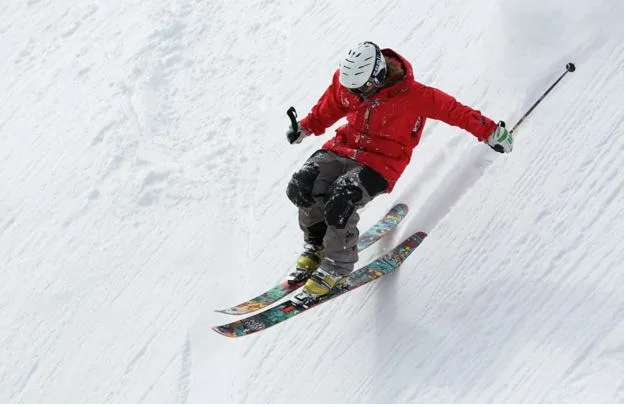
How to choose the best ski helmets is about more than just marking something off your packing list.
Finding the right one for you is essential to protecting your head and having a good time on the hill. And if you’ve ever found yourself staring at a wall full of unfamiliar helmets, wondering how to pick the best ski helmets without getting bogged down in the details, it really comes down to these key points.
Start With a Good Fit
Choosing the right ski helmet always starts with figuring out your size. A helmet should rest flat on your head, covering your forehead without moving forward or backward. It should be snug but not too tight, and it shouldn’t slide around your head when you shake it back and forth.
A lot of modern helmets have built-in fit adjustment systems that let you fine-tune the size, and these can often be operated while wearing gloves. That can be super helpful if you spend a lot of time skiing in variable-temperature weather or if you like to use a different beanie or face layer for a given day.
Examine the Safety Certifications
Selecting the best ski helmet will always require meeting safety standards. A helmet that has not been certified won’t have undergone testing to ensure that it can absorb impacts and provide protection in typical skiing falls. Certifications mean the helmet has met strict criteria for performance before it’s allowed to be used on the mountains.
4F included for their article, “How to Choose and Adjust a Ski Helmet,” that while design—or what appears to be add-ons—should not be your first concern. Check for safety certification above all else.
Understand the Difference in Helmet Construction
Helmet construction significantly impacts weight and durability. In-mold helmets are lighter weight and compact in size, providing a more comfortable option for resort-style skiing. Hardshell helmets are more burly, and an inner foam liner adds shock absorption, which might appeal to skiers spending time in the terrain park or going for backcountry tours.
Knowing the differences helps define how to choose a ski helmet that fits your skiing.
Look at Vent Placement if Ventilation Matters to You
Ventilation has a major impact on your overall experience. If it’s cold, you can keep the warm air in; if you’re working hard on the slopes, you can let it out. Skiers have a unique position where the terrain they will be navigating and overall activity level both change throughout the day. The ability to control temperature is critical.
Don’t Forget to Add a Liner and Padding
People often forget that the inside of their ski helmets is just as important. Comfortable, padded soft-touch material will keep your head warm and dry all day. If the padding and liners are removable, that will also make your life easier, and you will also be able to enjoy the helmet for a longer time.
When it comes to earpads, they should provide comfort and isolation without affecting your sense of hearing. You need to be able to listen to what is happening around you.
Ensure Compatibility With Goggles
Your goggles should fit well with your helmet. Proper compatibility will ensure that there are no uncomfortable gaps that let in cold air and also reduce the likelihood of fogging. Many ski helmet manufacturers are designing helmets with goggle systems that are built in. An integrated goggle system will increase visibility and comfort while skiing.
How and Where You Ski Matters
Another thing to consider when learning how to choose a ski helmet is how and where you ski, as well as how often. Someone who only occasionally skis at a resort may be more concerned with comfort and ventilation. For those who ski more aggressively in risky terrain, additional protection and durability would likely be a top priority. An ideal ski helmet is one that is best suited for how and where you ski.
By considering proper fit, safety rating, construction, and comfort features, you will always know exactly how to choose a ski helmet that will keep you safe and also improve your performance on the mountain.