Best Berenjenas con Miel Near Me: How to Find Authentic Spanish Fried Eggplant With Honey
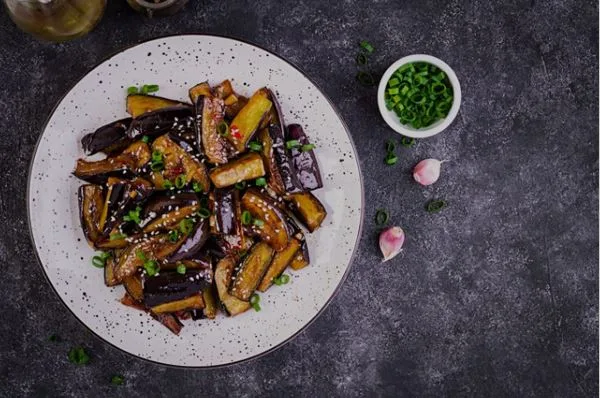
Some Spanish dishes make sense the moment you read the menu. Jamón, croquetas, grilled seafood, and tortilla española all sound familiar enough to most diners.
Berenjenas con miel can be more surprising.
Fried eggplant covered with something sweet does not necessarily sound like an obvious combination. But when it is prepared properly, the contrast is exactly what makes the dish work: crisp hot eggplant, a soft interior, a touch of salt, and the deep sweetness of honey or, in many traditional Andalusian versions, miel de caña.
That balance has made berenjenas con miel one of the memorable tapas associated with southern Spain, particularly Andalucía.
If you are searching for the best berenjenas con miel near me, the challenge is not simply finding a restaurant that serves eggplant. You need to know which Spanish restaurants are most likely to prepare the dish properly, what authentic versions usually look like, and how to use reviews and menus to separate genuine Andalusian-style berenjenas from a generic fried vegetable appetizer.
What Are Berenjenas con Miel?
“Berenjenas” means eggplants or aubergines in Spanish, while “con miel” means “with honey.”
At its simplest, the dish consists of eggplant that is sliced or cut into batons, lightly coated in flour, fried until crisp, and finished with something sweet.
In Andalucía, that sweet topping is often miel de caña.
Despite the literal word miel, miel de caña is not ordinary bee honey. It is a dark cane-sugar syrup or molasses-style product with a deeper, slightly bittersweet character.
RTVE, Spain’s national public broadcaster, describes berenjenas con miel de caña as a traditional southern Spanish preparation associated particularly with Córdoba and Granada. Its version uses eggplant, flour, salt, olive oil, and cane honey.
That regional context is useful when trying to find a good local version.
Why Is This Dish So Closely Connected With Andalucía?
Berenjenas con miel belongs to the broader culinary history of southern Spain.
Eggplant became deeply established in Andalusian cooking during centuries of Arab influence on the Iberian Peninsula. The combination of sweet and savory flavors is also strongly associated with the culinary traditions that developed in Al-Andalus.
Today, versions of fried eggplant with honey or miel de caña remain particularly visible in Córdoba, Málaga, Granada, and other parts of Andalucía. Current Andalusian food guides describe the dish as a classic regional tapa, with Córdoba and Málaga especially associated with it.
That means a restaurant serving authentic Andalusian food is usually a stronger starting point than a generic European restaurant with one eggplant appetizer on the menu.
Why Finding Good Berenjenas con Miel Nearby Can Be Difficult
This is not a dish that appears everywhere.
Outside Spain, many cities have Spanish restaurants, but their menus often concentrate on better-known dishes such as:
- Patatas bravas
- Gambas al ajillo
- Croquetas
- Tortilla española
- Paella
- Pulpo
- Chorizo
- Jamón ibérico
Berenjenas con miel may appear only at restaurants that explore regional Andalusian cooking more deeply.
The Menu Name May Also Vary
Do not search only one phrase.
Restaurants may list the dish as:
- Berenjenas con miel
- Berenjenas con miel de caña
- Berenjenas fritas con miel
- Fried eggplant with honey
- Crispy eggplant with cane syrup
- Andalusian fried aubergine
- Berenjena frita
- Eggplant with molasses
A restaurant may be serving essentially the dish you want without using the exact English or Spanish phrase you searched.
How to Search for the Best Berenjenas con Miel Near Me
Start with the exact dish name, but expand the search if results are limited.
Useful Search Phrases
Try:
- “berenjenas con miel near me”
- “berenjenas con miel de caña near me”
- “Spanish tapas near me”
- “Andalusian restaurant near me”
- “Córdoba food near me”
- “Spanish fried eggplant near me”
- “fried aubergine with honey near me”
- “miel de caña tapas near me”
If you’re researching the dish before choosing a restaurant, this best berenjenas con miel near me food guide can help you understand what to look for in menus, preparation styles, and customer reviews.
The goal is to make your local search more precise instead of automatically choosing the first restaurant serving anything with eggplant.
Start With Authentic Spanish Tapas Restaurants
The strongest candidate will usually be a restaurant specializing in Spanish cuisine.
Even better, look for places that specifically mention Andalucía, Córdoba, Málaga, Granada, or southern Spanish food.
Check the Rest of the Menu
A restaurant’s broader menu can reveal a lot about its cooking.
If you see items such as:
- Salmorejo
- Flamenquín
- Rabo de toro
- Boquerones
- Jamón ibérico
- Tortilla española
- Croquetas
- Gazpacho
- Montilla-Moriles wines
there is a stronger chance that the kitchen understands regional Spanish traditions rather than simply using “tapas” as a general marketing term.
In Córdoba, berenjenas fritas with miel de caña are frequently discussed alongside salmorejo, flamenquín, and rabo de toro as classics of local cuisine.
Miel de Caña Can Make a Big Difference
One of the biggest details to check is the topping.
Some restaurants use ordinary honey.
Others use miel de caña.
Both can produce a tasty dish, but the flavor is not identical.
What Is Miel de Caña?
Miel de caña is made from sugar cane rather than by bees.
It is darker, thicker, and more intense than most floral honeys.
A well-known tradition of producing miel de caña exists in Frigiliana, Málaga, and the syrup has long been associated with fried eggplant in Andalusian cooking. Málaga Magazine specifically describes cane honey from the Axarquía area as a classic accompaniment for berenjenas.
This creates a contrast that is less simply “sweet.”
The syrup brings:
- Deep caramel-like sweetness
- Slight bitterness
- Rich molasses notes
- A stronger finish than ordinary honey
If a restaurant specifically mentions miel de caña, that is usually worth noting.
What Should Great Berenjenas con Miel Taste Like?
The dish looks simple.
Getting the texture right is not.
The Exterior Should Be Crisp
The coating should have enough structure to create contrast with the soft eggplant.
If the pieces arrive limp and heavily soaked with oil, much of the appeal disappears.
The Interior Should Stay Tender
Eggplant becomes silky when properly cooked.
A good version should not feel raw or rubbery inside.
The Sweetness Should Not Overwhelm Everything
Honey or cane syrup should complement the eggplant rather than drown it.
You should still taste:
- The vegetable
- Salt
- Fried crust
- Olive oil character
- Sweet topping
Balance is what makes the dish interesting.
Shape Can Vary—and That Is Normal
There is no requirement that every restaurant cut berenjenas con miel in exactly the same way.
In Andalucía, you may encounter:
Thin Rounds
These can become particularly crisp and almost chip-like around the edges.
Long Batons
These resemble thick fries and provide more soft eggplant inside.
Wider Strips
These create a larger contrast between crust and tender interior.
Current Córdoba and Andalusian sources describe both round and baton-style presentations, so one shape should not automatically be considered more authentic than another.
Technique matters more.
Freshness Is Extremely Important
This is not a dish that improves by sitting around.
Freshly fried eggplant begins crisp.
As it sits, moisture moves from the interior toward the coating.
Then the honey adds more moisture.
Eventually, the crisp texture disappears.
That is why good berenjenas con miel should ideally arrive hot and be eaten soon after serving.
A Córdoba dining guide specifically emphasizes that the crunch-soft contrast declines quickly after frying.
When Ordering, Look For:
- Fresh preparation
- Hot serving temperature
- Crisp edges
- Syrup added shortly before serving
- Reasonable waiting time between kitchen and table
This is one tapa you probably should not leave untouched while photographing the rest of the meal for ten minutes.
Check Photos in Customer Reviews
Restaurant photos can tell you more than the menu description.
Look at photographs uploaded by actual diners.
Positive Signs
The eggplant appears:
- Golden rather than extremely dark
- Dry and crisp rather than swimming in oil
- Freshly drizzled rather than soaked
- Consistently cut
- Served while still hot-looking
Possible Warning Signs
Be more cautious if most photos show:
- Very greasy coating
- Burned pieces
- Huge pools of syrup
- Pale undercooked batter
- Extremely soggy servings
Photos cannot tell you everything about taste, but they are useful for evaluating consistency.
Search the Reviews for the Dish Name
Do not rely only on a restaurant’s overall rating.
A Spanish restaurant may have a 4.8-star average because its paella is excellent while the berenjenas are mediocre.
Use the review-search feature if available.
Search for:
- berenjenas
- eggplant
- aubergine
- miel
- honey
- cane syrup
- crispy
You want comments from people who actually ordered the dish.
Useful Review Details Include
Comments such as:
- “Crispy and not oily”
- “Served piping hot”
- “Excellent miel de caña”
- “Reminded me of Córdoba”
- “Perfect sweet-salty balance”
- “Freshly fried”
These are more helpful than a generic “Great restaurant!”
Spanish-Owned or Spanish-Run Restaurants Can Be Worth Prioritizing
Ownership alone does not guarantee better food.
A talented chef can learn another cuisine extremely well.
Still, if you are searching for a relatively specific regional tapa, a restaurant run by people with experience in Spanish cooking may have better familiarity with the traditional preparation.
Look at the restaurant’s About page.
Does the chef mention:
- Spain?
- Andalucía?
- Córdoba?
- Málaga?
- Granada?
- Spanish family recipes?
- Professional training in Spanish cuisine?
Those details provide context.
Tapas Bars May Be Better Than Large General Restaurants
Berenjenas con miel naturally fits the tapas format.
A dedicated tapas restaurant may therefore prepare it more frequently than a large restaurant where the dish is one small item among dozens of international options.
High turnover can also help freshness.
If many tables are ordering the dish throughout the evening, the kitchen is likely frying new batches rather than holding cooked eggplant for long periods.
Authenticity Does Not Mean Zero Creativity
Some chefs reinterpret berenjenas con miel.
You may find versions with:
- Sesame seeds
- Fresh herbs
- Citrus zest
- Spices
- Different honeys
- Reduced cane syrup
- Additional sauces
These additions do not automatically make the dish bad or inauthentic.
The real question is whether the central idea remains recognizable.
A creative version should still make sense as crispy fried eggplant balanced with sweetness.
If the plate becomes buried under ten sauces and toppings, it may be delicious—but it is increasingly becoming a different dish.
Honey and Miel de Caña Are Not Exactly the Same
This distinction is worth repeating because English menus can blur it.
“Miel” normally means honey.
“Miel de caña” literally sounds like “cane honey,” but it is made from sugar cane.
Traditional versions found in parts of Andalucía frequently use miel de caña.
Other restaurants use bee honey.
Which Is Better?
That depends on what you want.
Bee honey: lighter, floral, straightforward sweetness.
Miel de caña: darker, richer, more molasses-like and slightly bitter.
If you are specifically looking for the Andalusian style commonly associated with Córdoba or Málaga, the cane-syrup version is especially worth trying.
What Else Should You Order With It?
Berenjenas con miel works best as part of a shared tapas meal.
You do not necessarily need a full plate per person.
Good Companion Dishes Include
Salmorejo:
Cool, creamy tomato soup provides a refreshing contrast.
Croquetas:
Another classic Spanish tapas choice with a completely different texture.
Jamón:
Salty cured ham contrasts nicely with the sweetness of the eggplant.
Gambas al ajillo:
Garlic shrimp adds a savory seafood element.
Tortilla española:
Potato omelet gives the meal something more substantial.
Olives:
Their salty, briny character helps balance richer dishes.
A table with several contrasting tapas usually creates a more complete experience than ordering five fried dishes at once.
Córdoba Is One of the Best Places to Understand the Dish
If you ever travel to Spain specifically interested in traditional berenjenas con miel, Córdoba deserves serious attention.
Current local coverage describes fried eggplant with miel de caña as one of the city’s classic dishes and highlights numerous tabernas serving their own versions.
The dish sits naturally alongside other Córdoba specialties such as:
- Salmorejo cordobés
- Rabo de toro
- Flamenquín
Seeing the dish in that culinary context helps explain why it remains so popular.
It is not a novelty dessert-meets-vegetable experiment.
It is part of an established regional food culture.
Málaga Also Has a Strong Connection
Málaga is another important place in the story because of its strong association with miel de caña production.
The town of Frigiliana in Málaga province is particularly known for its cane-syrup tradition.
That regional ingredient gives Málaga-style versions a natural connection to the dish.
This is useful to remember when reviewing restaurant descriptions outside Spain.
If a restaurant says its berenjenas are inspired by Málaga or Córdoba, there is a clear regional basis for that claim.
Can Berenjenas con Miel Be Vegetarian?
Traditional versions are typically vegetarian because the basic ingredients involve:
- Eggplant
- Flour
- Oil
- Salt
- Honey or cane syrup
However, strict vegetarians or vegans should ask questions.
Important Considerations
If ordinary bee honey is used, vegans may choose to avoid it.
Miel de caña is plant-based because it comes from sugar cane.
Cross-contact with meat or seafood may occur in shared fryers.
Some batters may contain additional ingredients.
If dietary restrictions matter, ask the restaurant directly rather than assuming.
What About Gluten?
Traditional recipes commonly coat the eggplant in wheat flour before frying, which means the standard version is not necessarily gluten-free.
Some restaurants may use:
- Rice flour
- Chickpea flour
- Corn-based coatings
- Gluten-free flour blends
But that should be confirmed individually.
People with celiac disease should also ask about shared fryers and cross-contact.
A Good Restaurant Should Be Able to Explain the Dish
If you are unsure what version a restaurant serves, ask.
Simple questions can reveal a lot.
Try Asking:
“Do you use honey or miel de caña?”
“Are the berenjenas fried fresh?”
“Is this Córdoba-style?”
“Are they cut as rounds or strips?”
“Is the flour coating gluten-free?”
Staff at a restaurant that regularly serves the dish should generally be able to answer basic questions about preparation.
Avoid Choosing Only by Price
A cheap tapa can be excellent.
An expensive one can disappoint.
Price alone does not indicate authenticity.
Restaurant pricing reflects:
- Location
- Rent
- Ingredients
- Labor
- Portion size
- Service style
- Imported Spanish products
Instead of asking which restaurant has the cheapest berenjenas, ask which one appears to prepare them properly.
For a dish you may not find often, spending slightly more on the better version can be worthwhile.
Closest Does Not Always Mean Best
Google’s “near me” results naturally prioritize geography.
Food quality follows different rules.
A generic Spanish restaurant five minutes away may be convenient.
A serious tapas bar 30 minutes away might serve the dish you actually want.
For common food, convenience can reasonably dominate the decision.
For a regional specialty, expanding the search radius can produce much better results.
What If No Restaurant Near You Serves Them?
Do not assume the search is over.
Check Nearby Cities
Spanish restaurants tend to cluster in larger dining districts and metropolitan areas.
Search Delivery Apps
Sometimes delivery menus are indexed differently from restaurant websites.
Look for Spanish Cultural Events
Food festivals and Spanish community events can feature dishes not regularly available nearby.
Ask Local Food Groups
Post something specific:
“Does anyone know a Spanish or Andalusian restaurant serving berenjenas con miel de caña?”
Specific questions generate better recommendations than “Where should I eat Spanish food?”
Making Them at Home Is Surprisingly Achievable
If no local restaurant serves the dish, the basic preparation is accessible to home cooks.
RTVE’s recipe illustrates how simple the core process can be: prepare the eggplant, coat it with flour, fry it in olive oil, and finish with miel de caña.
Basic Method
- Cut the eggplant into slices or batons.
- Salt or soak according to your chosen recipe.
- Dry thoroughly.
- Coat lightly with flour.
- Fry until crisp and golden.
- Drain excess oil.
- Add miel de caña or honey just before serving.
- Eat while hot.
Technique makes the difference.
If the eggplant contains too much surface moisture, the coating can struggle to crisp.
If the oil is too cool, the pieces may absorb excessive fat.
If you add too much syrup too early, the crust can soften before anyone eats it.
Quick Checklist for Finding the Best Local Version
Before choosing a restaurant, check:
- Does it specialize in Spanish or Andalusian cuisine?
- Is berenjenas con miel actually listed on the current menu?
- Does it use miel de caña?
- Do recent customer reviews mention the dish?
- Do customer photos show crisp, golden eggplant?
- Is the dish made fresh?
- Does the restaurant have other authentic Spanish tapas?
- Do staff understand how their version is prepared?
- Are dietary concerns clearly handled?
You do not need a perfect score.
These signals simply help you make a more informed choice.
Final Thoughts
Searching for the best berenjenas con miel near me becomes much easier once you understand what makes the dish special.
Start with genuine Spanish tapas restaurants.
Look especially for Andalusian influences.
Search both “berenjenas con miel” and “berenjenas con miel de caña.”
Read reviews about the actual dish rather than judging only by the restaurant’s overall rating.
Check real customer photos.
And if authenticity matters, ask whether the restaurant uses cane syrup.
The ideal plate is remarkably simple: hot fried eggplant with a crisp exterior, tender center, light saltiness, and enough sweetness to create contrast without overwhelming the vegetable.
That simplicity is precisely why the details matter.
When the frying is right and the miel de caña is balanced properly, berenjenas con miel becomes much more than fried eggplant with something sweet on top.
It becomes one of those deceptively simple Spanish tapas that explains, in a single bite, why sweet and savory flavors have been sharing the same table in Andalucía for centuries.