How to Check Trademark Availability Before Building a Brand
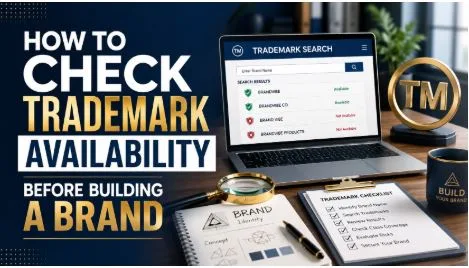
Choosing a name for a new product or business can feel like one of the most creative parts of launching an idea. A strong name can communicate personality, aid recall, and distinguish it from competitors. However, a name that sounds perfect may already be associated with another company, product, or service. That is why checking trademark availability early is an important step in brand development.
A US trademark search can help founders and business owners identify potential conflicts before they spend heavily on packaging, websites, advertising, or product development.
Why Trademark Availability Should Be Checked Early
A business name often becomes connected to many other decisions. It may appear on a logo, website, social profile, label, box, instruction manual, mobile application, or promotional campaign. If a chosen name creates a trademark conflict, changing those materials can be expensive.
A trademark check early in the naming process can reduce that risk. Businesses can compare several possible names while changes are still easy to make.
Early checking is especially helpful when:
- Developing a new product name
- Creating a startup brand
- Renaming an existing business
- Launching a new product line
- Entering a new category or market
The goal is not simply to find an exact match. A useful trademark lookup also considers similar names, related products, and possible consumer confusion.
What a US Trademark Search Can Reveal
A US trademark search or USPTO lookup is commonly used to review federal trademark records and identify existing applications or registrations that may be relevant to a proposed name. Search results can show whether a name deserves further investigation.
A search may reveal that the exact wording is already registered for related goods. It may also show a similar name being used in a category that overlaps with the proposed product or service.
A trademark lookup can help answer practical questions: Is the same name already registered? Is a similar name active? What goods or services are connected with the existing mark? Is the record active, pending, abandoned, or cancelled?
These details matter because trademark availability is rarely a simple yes-or-no question. Similar wording may sometimes exist in unrelated fields, while different-looking names can still raise concerns if they sound alike in related markets.
Exact Matches Are Only the Beginning
A common mistake is to run a trademark checker, see no identical result, and assume the name is safe to use. Exact matches are important, but they are only one part of the research process.
A proposed name may use an unusual spelling of a familiar word. Another company may own a mark that sounds nearly identical, creating possible confusion.
For this reason, a broader trade mark search should consider:
- Alternative spellings
- Singular and plural versions
- Phonetic equivalents
- Shortened forms
- Words with similar meanings
- Names that create a similar overall impression
Searching these variations can uncover issues that a narrow trademark check might miss.
Understanding the Importance of Trademark Classes
Trademark records are organized around goods and services. This matters because identical or similar names can sometimes exist in different fields without creating the same level of conflict.
For example, a household product may be evaluated differently from an unrelated professional service using the same name. The key issue is whether customers may believe the goods or services come from the same source.
When reviewing results from a trademark checker, do not focus only on the wording. Pay attention to the description of goods and services and the class associated with the record.
A result may be less relevant once product categories are compared. A slightly different name in a closely related class may deserve more attention.
How to Use a Trademark Availability Checker More Effectively
A trademark availability checker works best when it is used as part of a deliberate naming process rather than as a final formality.
Start by creating a shortlist of several names. Searching only one favorite name can cause problems if a conflict appears. Multiple options give the team room to adapt without restarting the naming process.
Next, search each name exactly as you intend to use it. Then test reasonable variations and similar spellings. Review the status of relevant records and compare the goods or services connected to each result.
Entrepreneurs can use a free US trademark search tool while evaluating potential names. LANPDT also provides product development resources for creators moving from early concepts toward real products.
The purpose of an initial checker is to identify obvious concerns and improve decisions. It should not be treated as a guarantee that a name is legally clear.
The Difference Between a Search and Legal Clearance
A basic search is valuable, but trademark rights can extend beyond a simple federal database search. Businesses may use names without federal registration.
A clean result from a US trademark search should therefore be viewed as encouraging information, not absolute legal clearance.
For a significant product launch, a qualified trademark attorney can conduct a more comprehensive review. Professional clearance may consider federal records, state registrations, common-law use, business names, online marketplaces, related industries, and other sources that could reveal conflicting rights.
A free trademark lookup tool can help a founder screen ideas efficiently. A legal opinion involves deeper analysis of risk and the facts surrounding a proposed mark.
Why Product Creators Should Search Before Prototyping and Packaging
Brand decisions and product development often happen together. A team may be working on industrial design, prototypes, packaging, manufacturing quotes, and marketing materials while finalizing a product name.
If the name is not checked until late in that process, a conflict can create unnecessary disruption. Packaging may need to be redesigned, labels replaced, product graphics changed, and digital assets updated.
Running a trademark check earlier helps keep naming aligned with development. It is easier to replace a name on a concept board than on finished packages.
This matters especially for inventors and startups with limited budgets. Early research can reduce the chance of spending money on a brand identity that later needs to be abandoned.
Common Mistakes to Avoid During a Trademark Lookup
Trademark research improves when businesses avoid several common habits.
The first is searching only the exact phrase. Similar wording can matter, so variations should be considered.
The second is ignoring the goods and services listed in the results. A trademark record cannot be evaluated properly without understanding what it covers.
The third is assuming an inactive record automatically makes a name available. A cancelled or abandoned federal record may not tell the complete story about how a name is being used.
Another mistake is checking too late. A trademark checker should be used during naming, not after every creative and commercial decision has already been made.
Finally, businesses should avoid treating automated results as legal advice. Search tools are useful for screening and research, while legal clearance requires professional judgment.
Build a Stronger Brand by Starting With Better Research
A memorable name can become a valuable product asset, but creativity works best when supported by research. Before committing to a logo, packaging design, campaign, or manufacturing run, businesses should investigate possible trademark conflicts.
A thoughtful trademark lookup does more than search for identical wording. It considers similar names, relevant goods and services, record status, and the broader market in which the brand will operate.
Using a trademark availability checker early can make the naming process more efficient and help teams eliminate problematic options before they become expensive. For important launches, initial research can be followed by professional legal clearance.
The strongest brand names are not only appealing and memorable. They are also chosen with enough research to give the business a more confident foundation for growth.