The Essential Checklist for Safe and Efficient Road Trips
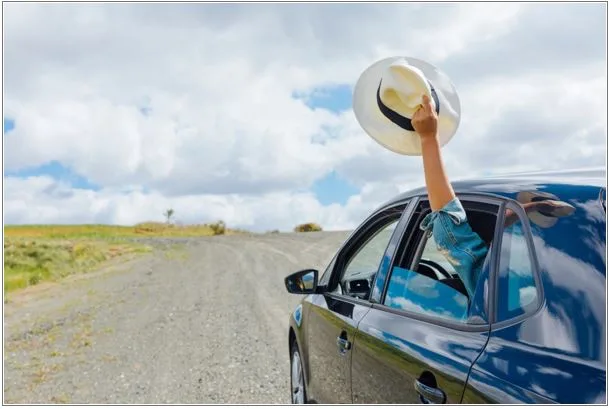
A road trip helps you see new places and escape your daily routine, but a smooth trip rarely happens by luck. It comes from a little planning before you leave and good habits while you are on the road.
This checklist covers the essentials: keeping your vehicle reliable, packing wisely, managing fatigue, and handling fuel stops safely. With a few simple steps, you can reduce stress, avoid unnecessary delays, and focus on enjoying the journey.
Continue reading to discover everything you need to know!
Start with a Pre-Trip Vehicle Inspection
Before you load the first bag, spend time looking under the hood and around the vehicle. You can check the following:
- Engine oil
- Coolant
- Brake fluid
- Power steering fluid
- Windshield washer fluid
Top off anything low, and look for signs of leaks on the ground where you park. Inspect the tires and use a tire pressure gauge so that each tire is inflated to the pressure listed on the driver’s door jamb or in the owner’s manual. Look for cuts, bulges, or uneven wear.
Test the headlights, brake lights, turn signals, and wipers. If the wiper blades are streaking or cracked, replace them before you hit the road.
If your brakes have been squeaking or the pedal feels soft, have a mechanic look at them. A basic inspection can catch small problems before they become roadside emergencies.
Fuel Up Smart and Avoid Mistakes
Fueling is a time when small mistakes can cause big problems. If you are in an unfamiliar area or driving at night, fill up when the tank drops to about a quarter full. This gives you a cushion if traffic delays you or the next station is farther than expected.
When you stop, park close enough to the pump without stretching the hose. Turn off the engine before fueling, and do not smoke or use a lighter anywhere near the pump. Take a look at common gas station mistakes and the myths and facts around them.
Overfilling can spill fuel and damage the vehicle’s vapor recovery system. Re-entering the car can build up static electricity, and if you then touch the nozzle without touching a metal surface first, a static discharge could ignite gasoline vapors.
Plan Your Route and Leave Room for Flexibility
A solid route plan helps you avoid wasting time and fuel. Enter your destination into a GPS or map app, but also review the route ahead of time. Look for construction zones, toll roads, and areas with limited services.
If you are traveling through rural or mountainous regions, plan fuel stops in advance because gas stations can be far apart. Share your itinerary with a family member or friend, including your planned route and expected arrival time. Leave some breathing room in your schedule.
Road trips are more enjoyable when you can stop at an interesting overlook, take a longer lunch, or wait out a storm without rushing. This makes the drive easier on everyone and gives you a backup plan if someone needs a break.
Pack an Emergency Kit and Know How to Use It
Every road trip should include a basic emergency kit. Pack a first aid kit, a flashlight with extra batteries, jumper cables or a portable jump starter, a tire inflator, a spare tire, a jack, and a lug wrench. Add reflective warning triangles or flares, a tow strap, a multi-tool or basic tool kit, duct tape, work gloves, and a rain poncho.
Pack extra water, non-perishable snacks, blankets, and any medications you or your passengers may need. Keep a phone charger and a car charger in the vehicle.
It is not enough to have these items buried in the trunk: you need to know how to use them. Learn how to connect jumper cables or use a portable jump starter safely. A well-stocked kit gives you options when things go wrong.
Keep the Cabin Organized, Comfortable, and Distraction-Free
A cluttered cabin can quickly become a dangerous distraction. Before you leave, set up the driver’s area so you do not have to reach for things while driving. Mount your phone or GPS where you can see it.
Adjust the seat, mirrors, and steering wheel before you start moving. Set the climate controls and choose a playlist or podcast ahead of time.
Keep items like sunglasses, water, and toll money within easy reach, but not in a place where they can roll under the pedals. Secure loose objects in the back seat or trunk because even a small item can become a projectile in a sudden stop.
Avoid eating messy foods while driving, and if you need to handle something, pull over. Encourage passengers to help with navigation and climate controls so the driver can focus.
Manage Driver Fatigue Before It Manages You
Drowsy driving is one of the most dangerous risks on a road trip. Getting seven to eight hours is ideal for most adults. Plan to stop every two hours or every 100 miles, even if you do not feel tired.
Get out, stretch your legs, use the restroom, and give your eyes a break from the road. Share driving duties if you are traveling with another licensed driver. Watch for early signs of fatigue: frequent yawning, heavy eyelids, trouble remembering the last few miles, drifting out of your lane, or missing signs and exits.
If you notice any of these signs, do not try to push through. Find a safe place to pull over and take a short nap. Just 20 minutes of sleep can help, but it is not a replacement for a full night of rest.
Caffeine can give you a temporary boost while on the road. If you are too tired to drive safely, stop for the night.
Small Habits Make the Journey Better
A great road trip comes from a series of small, deliberate choices: checking your tires before you leave, stopping for fuel at a quarter tank, staying alert to the weather, and keeping your cabin free of distractions. These habits take only a few minutes, but they protect your time, your money, and the people in the car with you.
When the route is planned, the vehicle is sound, and the driver is rested and focused, the miles feel less like a chore and more like part of the adventure. A little preparation now can save you from a much bigger headache later, and it leaves more room for the moments that make road trips worth taking.
To learn more about similar topics, visit our website.