Hydro Jetting vs Snaking: Which Drain Cleaning Method Works Best?
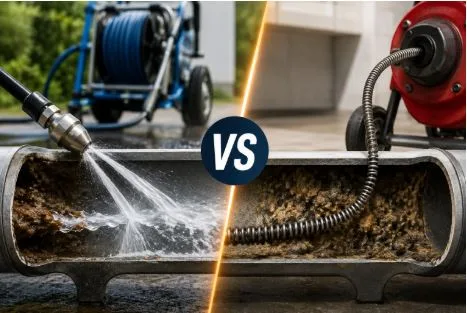
When a sink, shower, bathtub, or toilet starts draining slowly, the problem can seem minor at first. A small amount of standing water or a drain that takes longer than usual to empty may be easy to ignore. However, drainage problems often become more difficult when buildup continues inside the pipe. At that point, homeowners typically have two common professional options: a mechanical drain snake or hydro jet drain cleaning.
Both methods can clear blockages, but they work in very different ways. A drain snake physically breaks through or pulls out an obstruction, while hydro jetting uses pressurized water to clean the inside of the pipe. Choosing between them depends on the type of blockage, the condition of the plumbing, and whether the goal is simply to restore drainage or thoroughly clean the pipe.
For anyone comparing hydro jet drain cleaning vs snaking which is better, there is no single answer for every plumbing situation. Each method has specific advantages, and knowing how they work can make it easier to choose the right solution.
How Drain Snaking Works
Drain snaking is one of the most common methods used to deal with clogged pipes. A plumber inserts a flexible cable into the affected drain. The cable moves through the pipe until it reaches the blockage. Depending on the equipment and type of obstruction, the rotating end can break apart the material or grab it so it can be removed.
A basic drain snake can be useful for relatively simple blockages. Hair, small amounts of food waste, paper, and similar materials can often be cleared without requiring more intensive equipment.
Professional plumbers may use powered drain augers when a blockage is particularly stubborn. These machines provide more force than a basic handheld snake while allowing the plumber to work through longer sections of pipe.
One important point is that snaking primarily focuses on creating a passage through the blockage. It does not necessarily remove all of the material attached to the pipe walls. This distinction becomes important when dealing with recurring clogs.
What Is Hydro Jet Drain Cleaning?
Hydro jet drain cleaning uses a specialized hose and nozzle to send highly pressurized water through the plumbing system. The nozzle directs water against the interior walls of the pipe, helping break apart grease, sludge, mineral deposits, soap residue, and other accumulated material.
Rather than simply creating a narrow opening through a clog, hydro jetting can clean a larger portion of the pipe’s interior surface.
The plumber generally accesses the plumbing through a suitable cleanout or other access point. A camera inspection may also be used before or after the process to identify the cause of the problem and check the condition of the pipe.
Hydro jetting can be particularly useful in commercial plumbing systems, restaurants, older properties, and homes where recurring buildup has become a problem.
Hydro Jetting vs Drain Snaking
The main difference between the two methods is how they deal with the blockage.
A snake uses a mechanical cable to break through or remove an obstruction. Hydro jetting uses pressurized water to break apart material and wash it through the pipe.
If a drain has a straightforward blockage, snaking may be enough. If the pipe has substantial grease, sludge, scale, or repeated buildup, hydro jetting may provide a more thorough cleaning.
This is why the question hydro jet drain cleaning vs snaking which is better should be answered according to the actual plumbing condition rather than treating one method as universally superior.
When Drain Snaking May Be the Better Choice
Drain snaking can make sense when the blockage is localized and the plumbing is otherwise in reasonable condition.
For example, a bathroom sink clogged with hair may not require hydro jetting. A bathtub drain containing hair and soap residue may also respond well to a mechanical auger. In these cases, using a snake can be a practical way to restore normal drainage without using more equipment than necessary.
Snaking may also be preferable when a plumber needs to open a blocked pipe quickly so that further inspection can take place.
Another advantage is that mechanical drain cleaning can be used in situations where high pressure water would not be appropriate. A professional plumber can inspect the plumbing and determine whether the pipe can safely handle the selected cleaning method.
When Hydro Jetting May Be More Effective
Hydro jetting becomes more attractive when the problem involves substantial buildup rather than one isolated obstruction.
Grease is a common example. Kitchen drainage pipes can accumulate cooking fats and oils over time. These substances can stick to the pipe walls and collect other debris. A snake may create an opening through the mass, but remaining grease can continue causing problems.
Hydro jetting can address more of this buildup by directing pressurized water around the interior of the pipe.
The same can apply to mineral deposits, soap residue, sludge, and certain types of organic accumulation. For longer sewer lines, hydro jetting may also be useful when a plumber needs to clean a significant section of pipe rather than only break through one blockage.
Which Method Is Better for Recurring Clogs?
Recurring clogs deserve more attention than a single slow drain.
If a drain keeps becoming blocked shortly after it has been snaked, the issue may not be a simple obstruction. Material could still be attached to the pipe walls, or there may be a larger plumbing problem contributing to the repeated backups.
In these circumstances, hydro jetting may offer a more thorough cleaning. However, repeated clogs can also be caused by tree root intrusion, damaged pipes, poor pipe installation, or a collapsed section of sewer line. Hydro jetting alone will not correct structural damage.
A camera inspection can be valuable when the same drain repeatedly develops problems. It allows the plumber to see what is happening inside the pipe before deciding which clogged drain cleaning methods are appropriate.
Can Hydro Jetting Damage Pipes?
Hydro jetting is powerful, so it should not be treated as a one size fits all plumbing solution.
The condition and material of the pipe matter. A newer, structurally sound plumbing system may be a suitable candidate for hydro jetting. Older or damaged pipes may require additional evaluation before high pressure water is used.
A professional plumber can assess the system and select pressure levels and equipment based on the specific application. This is one reason professional assessment matters when comparing hydro jetting with mechanical cleaning.
If a pipe has severe corrosion, cracks, or other structural weaknesses, the underlying condition should be addressed rather than relying solely on high pressure cleaning.
Hydro Jetting and Sewer Line Cleaning
Sewer lines can accumulate significant amounts of debris over time. Grease, sediment, organic material, and mineral deposits can restrict the available space inside the pipe.
For this type of sewer line cleaning, hydro jetting can be especially useful because the water can travel through longer sections of plumbing while cleaning the pipe walls.
However, sewer line problems should not automatically be treated with hydro jetting. Roots and structural damage may require other solutions. A camera inspection can help determine whether cleaning is appropriate or whether repair or replacement should be considered.
Cost Differences Between Snaking and Hydro Jetting
The cost of drain cleaning varies depending on the location of the blockage, accessibility, severity of the problem, equipment required, and local service rates.
In many situations, snaking is less expensive because the equipment and process are relatively straightforward. Hydro jetting generally requires specialized equipment and additional preparation, which can increase the service cost.
However, the cheapest initial option is not always the most economical long term choice. If a drain repeatedly becomes clogged after snaking, paying for multiple visits can eventually cost more than addressing heavy buildup with a more thorough cleaning method.
The right decision should therefore consider both the immediate blockage and the condition of the plumbing system.
Should You Choose Snaking or Hydro Jetting?
The choice depends largely on what is causing the blockage.
For a simple, isolated clog, drain snaking may be sufficient. It can provide a fast way to break through an obstruction and restore water flow.
For heavy buildup, recurring blockages, grease accumulation, or certain sewer line cleaning applications, hydro jetting may be more suitable. It can clean a larger portion of the pipe instead of focusing only on the immediate obstruction.
If you are unsure which method your plumbing needs, a professional assessment is the safest approach. Companies such as Stellar Plumbing can evaluate the drainage problem and determine whether mechanical cleaning, hydro jetting, inspection, or another plumbing service is appropriate.
Why the Cause of the Clog Matters
It is easy to think of every blocked drain as the same problem, but different blockages require different approaches.
Hair in a bathroom drain is different from hardened grease in a kitchen line. A sewer pipe affected by roots is different from a pipe containing years of mineral deposits. A damaged pipe is different again.
That is why simply asking which method is stronger does not provide the complete answer. The most effective solution is the one that addresses the actual cause without creating unnecessary stress on the plumbing system.
A professional may use a combination of inspection and cleaning techniques. For example, a camera can identify the problem, a snake can clear a localized obstruction, or hydro jetting can clean extensive buildup after the pipe has been assessed.
Final Thoughts
When comparing hydro jet drain cleaning vs snaking which is better, both methods have an important place in residential and commercial plumbing.
Snaking is often a practical choice for localized blockages and straightforward drainage problems. Hydro jetting can be more effective when pipes contain substantial grease, sludge, mineral deposits, or recurring buildup.
The condition of the plumbing should also influence the decision. Hydro jetting is powerful and can provide thorough cleaning, but it is not appropriate for every pipe or every type of plumbing failure.
Rather than choosing a method based solely on price or cleaning power, consider the cause of the blockage, the age and condition of the pipes, how often the problem occurs, and the recommendations of a qualified plumber. With the right assessment, homeowners can address the immediate clog while making a more informed decision about the long term condition of their drainage system.