Why the Best AI Voice Recorder Outperforms Your Phone
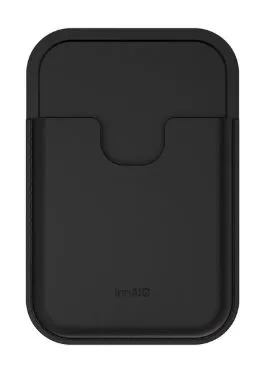
Most people already carry a recording device in their pocket. Modern smartphones can capture audio, transcribe it, and share it in seconds, so why would anyone reach for a dedicated recorder instead? The answer becomes clear the moment recording quality actually matters. When a client says something you cannot afford to misquote, when a two-hour lecture needs to become a searchable document, or when a subject speaks softly in a crowded room, the shortcuts your phone takes suddenly become obstacles. The best AI voice recorder is designed for these moments. It combines premium audio capture with speech intelligence that turns raw sound into structured knowledge. In this article we look at where phone recordings quietly fall short, what a purpose-built recorder does differently, and the situations in which the upgrade pays for itself. If accurate audio has ever felt like a fragile thing you had to protect, you will recognize the problems described here and the reasons to solve them.
The Hidden Limits of Phone Recordings
Your phone was engineered to make voice calls sound acceptable, not to preserve rooms full of speakers at natural volume. Its microphones are tuned close to the mouth and processed by aggressive noise algorithms that can flatten quiet voices along with the noise. When you set it on a conference table, distance and interference start working against you. The result is a recording that sounds fine in the moment and disappoints when you replay it a week later, particularly for the softer voice at the far end of the room. Every professional who has tried to transcribe such a file knows the frustration of guessing at half a sentence.
Storage and battery add another layer of pressure. A long day of meetings can drain your phone before the last session ends, and cloud syncing eats bandwidth you may not have on the road. Dedicated recorders solve both problems by design. If you have compared options, you already know that the best ai voice recorder uses microphone arrays optimized for speech pickup at conversational distance, giving you cleaner input before any software gets involved. Clean input is what makes everything downstream more reliable.
How a Dedicated AI Voice Recorder Changes the Game
Once audio quality is under control, the real advantage of a modern recorder becomes visible in what happens after the recording stops. AI features are no longer novelties bolted onto an old device; they are the reason the device exists. The workflow that used to take an evening of manual work now unfolds while you make coffee.
Multi-Speaker Transcription
Turning a meeting into text is one problem. Knowing who said what is a completely different one. A dedicated recorder with speaker diarization listens for vocal characteristics and separates the transcript by voice, labeling each contribution. When you review the file later, you can jump directly to what a specific participant said without scrubbing through an hour of unrelated conversation. This is invaluable for interviews, roundtables, and legal depositions where attribution matters more than mere content.
Instant Summaries and Action Items
The most useful transformation happens after transcription. Instead of scrolling through five thousand words, you receive a summary that captures the main points and a clean list of action items. Advanced devices can even detect deadlines and assignments mentioned in passing, so nothing important gets lost. This shifts your role from note-taker to decision-maker, and it saves the hours that used to disappear after every long conversation. Many teams describe it as reclaiming a workday every week.
Situations Where the Difference Matters
The gap between a phone and a dedicated recorder is subtle in casual use and enormous in demanding ones. A few common scenarios show why professionals eventually make the switch, often after one painful lost recording.
Interviews and Fieldwork
Journalists, researchers, and podcasters work in unpredictable environments. A subway platform, a bustling market, a windy park, or a factory floor all present acoustic challenges that a phone cannot fully overcome. A recorder with hardware noise suppression and directional pickup keeps the voice clear while pushing the environment into the background. Combine this with local storage that continues working when signal fails, and you have a tool that never leaves you scrambling to salvage audio you cannot re-record. Brands like INNAIO have built devices specifically for this mobile workflow, adding transcription that continues on-device without a network.
Long Meetings and Lectures
Two hours of continuous speech is where most phones start showing weakness. Battery drain, thermal throttling, and background notifications combine to produce inconsistent quality across a single file. A dedicated recorder was built for endurance. Its microphones do not compete with a phone call routing itself through the same hardware, and its battery is sized for the task. Students who record entire seminars and consultants who sit through client workshops know the value of a device that simply keeps going and delivers a searchable transcript at the end.
Making the Switch Without Losing Your Workflow
Adopting a new tool only works if it fits your existing habits. The good news is that modern recorders are designed to slot into the software you already use. Files usually export to standard cloud drives or note apps, and transcripts arrive as text you can paste anywhere. Set up automatic syncing on the first day and you rarely need to think about file management again. Test the recorder in three real environments during your first week: a quiet office, a busy public space, and a room with a large group. Reviewing those recordings side by side is the fastest way to trust the device and to identify which features you rely on most.
Consider how you will name and search recordings before they pile up. A recorder that tags files automatically with date, duration, and detected topic will save hours down the road. Battery habits change too; a full charge at the end of the day is a small ritual that guarantees you are ready for the next one. Small routines like these are how a recorder becomes invisible in the best way, doing its job quietly while you focus on the conversation.
When Precision Becomes a Habit
The moment you stop worrying about whether a recording captured what you needed, your attention shifts fully to the people around you. That shift is the real return on a dedicated AI voice recorder. It is not just about a cleaner audio file; it is about the trust that grows when you know your tools will not let you down. Phones will keep improving, and they remain useful for spontaneous moments, but for the recordings that matter most, purpose-built hardware still wins. Compare features honestly against your actual work, weigh what a lost recording would cost you, and let those answers guide the choice. Once the right recorder becomes part of your routine, you will notice the meetings, interviews, and lectures that used to feel exhausting begin to feel manageable. Precision quietly becomes a habit, and the peace of mind that follows is the feature no spec sheet can list.