Plus Size Wedding Gowns Designed to Celebrate Every Silhouette
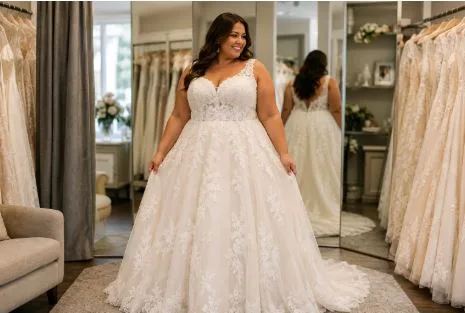
A wedding gown should feel like an expression of you, not a test you have to pass. The best plus size wedding dresses bring together thoughtful construction, personal style, and enough comfort to carry you through a long, joyful day. Whether you picture a softly draped sheath, a classic ball gown, or something sleek and fitted, the search becomes easier when you know what to look for.
This guide covers fit, silhouettes, necklines, fabrics, shopping preparation, personalization, and alterations. Use it as a starting point for an appointment at Downtown Bridal & Dress Shop or any bridal boutique where you want to explore your options with confidence.
Understanding fit in plus size wedding dresses
Fit is about more than wearing the largest available sample. Bridal gowns are built with seams, linings, closures, and supportive elements that work together, so a good fit should feel secure without restricting your breathing or movement. Your measurements, preferred undergarments, and the gown’s construction all shape the final result.
A dress can look beautiful on the hanger and still need adjustments to feel right on your body. Approach each fitting as useful information rather than a judgment. The goal is a gown that supports your shape while allowing you to stand, sit, walk, and celebrate comfortably.
How bridal sizing differs from everyday clothing sizes
Bridal sizing often follows a different chart from ready-to-wear clothing, and the number on the tag may be higher than the size you usually purchase. That difference reflects the designer’s pattern system rather than a change in your body. Samples are also commonly available in a limited range, which means the first gown you try may not represent how the finished dress will fit.
Ask the consultant to explain the designer’s measurements and where the gown is intended to sit. A gown that is roomy in one area and close in another may still be a good candidate for alterations. Try to treat the label as a technical reference, not a verdict on your appearance.
Why accurate measurements matter more than the number on the label
Bust, waist, and hip measurements help a consultant select a starting size and identify where tailoring may be needed. Take them while wearing the undergarments you expect to use, and keep your posture natural rather than pulling the tape tight. If your measurements fall across different sizes, the gown can usually be ordered or altered with those proportions in mind.
Accurate information also helps protect the gown’s design. Proportion matters more than size when deciding where a seam, waistline, or neckline should land. Share any fit concerns early so the consultant can guide you toward styles with enough room and structure in the right places.
The role of structure, support, and ease through the bodice
A bodice may include lining, boning, cups, a waist seam, or a lace-up or zip closure. These elements can shape the gown and distribute its weight, but they should not dig into your ribs or create pressure points. Ease—the small amount of room that allows your body to move—is especially valuable in a dress you will wear for many hours.
Pay attention to the relationship between the bust, waist, and arm openings. Support should come from the gown’s construction and a properly fitted undergarment, not from fastening the dress so tightly that it becomes uncomfortable. A consultant or seamstress can explain which changes are realistic without compromising the bodice.
How to identify a comfortable fit during fittings
Comfort becomes easier to judge when you test the dress instead of standing still in front of a mirror. Walk several steps, sit down, raise your arms, and take a few deeper breaths. Notice whether the neckline stays in place and whether the skirt allows a natural stride.
During a fitting, check these practical details:
- The bust is contained without spilling or gaping.
- The waist feels secure but does not pinch when you sit.
- The armholes allow movement without rubbing.
- The hem works with your shoes and does not create a tripping hazard.
Those small tests reveal more than a quick glance. If something feels distracting in the fitting room, it is worth discussing before the gown is ordered or altered.
Choosing a gown silhouette for your proportions
Silhouette is the overall outline of a gown, from the bodice through the skirt. It can emphasize the waist, skim the body, create volume, or highlight the transition from hips to hem. There is no universally flattering shape; the right choice is the one that suits your proportions, movement preferences, and sense of style.
Try more than one silhouette, even if you arrive with a firm favorite. A gown may look very different once it is on your body, and trying varied shapes can help you distinguish what you genuinely love from what you assumed would work.
A-line gowns for balanced shape and easy movement
An A-line gown is fitted through the bodice and gradually widens toward the floor. The gentle line can create balance while leaving room for walking and dancing. It works particularly well for someone who wants waist definition without a close-fitting skirt.
The amount of flare can vary considerably. A narrow A-line feels relatively streamlined, while a fuller skirt creates more presence. Consider the venue and your shoes as you assess how much volume feels natural.
Ball gowns for dramatic volume and defined waistlines
Ball gowns pair a fitted bodice with a full skirt, creating a traditional and dramatic effect. The volume can make the waist feel clearly defined and offers a striking contrast to a detailed bodice. It can also provide comfortable space around the legs, depending on the lining and petticoat.
Because a full skirt carries more fabric, test how easily you can move through doorways and sit in a chair. The right underskirt and bustle plan can make a grand gown more manageable once the ceremony ends.
Mermaid and fit-and-flare styles for contouring the figure
Mermaid and fit-and-flare gowns follow the body through some portion of the torso and hips before opening toward the hem. They can highlight curves and create a sculpted outline, with fit-and-flare styles generally offering a gentler transition than a traditional mermaid cut.
Movement is the key consideration. Walk, sit, and practice a few steps in the gown before deciding. A strategic flare, stretch panel, or carefully placed slit may make the silhouette feel more flexible without changing its visual character.
Sheath and column gowns for a streamlined look
Sheath and column gowns fall in a relatively straight line from the bodice to the hem. They can feel elegant and modern, especially in fabrics that skim rather than cling. A defined neckline, waist seam, or textured overlay can add shape to a simple outline.
Look for a smooth fit through the bust and hips, then check whether the skirt allows a comfortable stride. A column gown does not have to be rigid; the fabric, lining, and seam placement determine how freely it moves.
Selecting flattering necklines, sleeves, and back details
Necklines and sleeves frame the upper body and influence how a gown feels from the first moment you put it on. Back details add visual interest while also affecting support and security. Consider these elements together rather than choosing each in isolation.
Your preferred level of coverage is a style choice, not a rule about what you should conceal. The most flattering details are usually the ones that help you feel present, comfortable, and fully yourself.
Necklines that frame the face and define the bust
V-necks can create a lengthening effect, while sweetheart necklines echo the shape of the bust and often feel romantic. Square and scoop necklines offer clearer horizontal lines, and bateau styles create a more covered, refined frame. The best option depends on your bust proportions, shoulder line, and the amount of support you want.
Try each neckline while standing naturally and turning slightly from side to side. Check whether the edge lies flat and whether you feel comfortable leaning forward or embracing someone. A modesty panel or small neckline adjustment can often change the overall feeling of a gown.
Sleeve options for coverage, support, and personal style
Sleeves may provide coverage, soften the shoulder line, or simply add the detail you want. Cap sleeves, short sleeves, flutter sleeves, illusion sleeves, and fitted long sleeves each create a different effect. Straps can also offer support without the visual weight of a full sleeve.
Think about temperature, movement, and how the sleeve interacts with the bodice. A sleeve that is beautiful while your arms are down should still allow you to lift a bouquet or dance. Ask whether the design can be modified if you love the gown but want a different level of coverage.
Back designs that combine visual interest with a secure fit
A low, illusion, keyhole, or buttoned back can become a memorable feature of the gown. The closure must still sit securely and remain comfortable as you move. If you prefer more support, a higher back or a structured panel may provide reassurance without looking plain.
Look at the back from several angles and ask how it will work with your bra or other undergarments. A seamstress can sometimes add covered support, adjust the opening, or change the closure while preserving the intended design.
Strategic ruching, draping, and panel details
Ruching gathers fabric into soft folds, while draping creates movement across the bodice or skirt. Panel details can guide the eye vertically or clarify the gown’s shape. These features are design tools, not ways to disguise your body, and they should be chosen because you enjoy their texture and effect.
Try textured details under the boutique’s lighting and in photographs. Some folds look subtle in person but become more prominent in pictures. If the gown has many details, balance them with a clean accessory or a simpler veil.
Finding fabrics and construction details that enhance comfort
Fabric determines how a gown reflects light, moves when you walk, and feels against your skin. Construction determines whether that fabric remains comfortable and secure for hours. A beautiful material is only a good choice if it suits the season, venue, and way you plan to celebrate.
Ask to handle the inside as well as the outside of the gown. Linings, seams, closures, and layers can make as much difference as the visible fabric. At Downtown Bridal & Dress Shop, you can use these questions as a practical checklist when comparing gowns, without assuming that the same fabric will feel identical in every design.
How satin, crepe, chiffon, lace, and tulle change the look
Satin tends to have a smooth surface and noticeable sheen, while crepe is often matte with a fluid, softly textured hand. Chiffon is light and airy, lace adds pattern and dimension, and tulle creates anything from a delicate overlay to a dramatic full skirt. Blended gowns may combine several of these effects.
Consider how each fabric photographs and responds to movement. A fabric with structure may hold a defined shape, while a fluid one may emphasize drape. The gown’s lining and layering can change the feel significantly, so try the complete sample whenever possible.
Breathable fabric choices for warm-weather celebrations
For a warm ceremony, lighter layers and fabrics that do not trap excessive heat may feel more comfortable. Chiffon, lighter lace, and airy tulle can be useful in flowing designs, while a gown with a breathable lining may be easier to wear than one with many dense layers.
The venue matters too. An outdoor celebration may call for less fabric around the legs, while an air-conditioned indoor space gives you more flexibility. Think about the entire day, including travel, photographs, dancing, and time spent standing.
Corsetry, boning, and built-in cups for reliable support
Corsetry can help shape and stabilize a bodice, and boning may prevent it from collapsing or shifting. Built-in cups can provide coverage and support, though the fit must still be adjusted to your bust. None of these features should make breathing difficult or leave you sore after a short try-on.
Ask how the support is attached and whether it can be altered. The gown should remain comfortable when you sit and move. If you need a particular cup shape or additional support, discuss it before ordering rather than waiting until the final fitting.
Linings, stretch, and seam placement for all-day comfort
A smooth lining can reduce friction, while a small amount of stretch may make sitting and dancing easier. Seams should lie flat and avoid rubbing at the underarm, waist, or inner thigh. These details are easy to overlook when you are focused on the gown’s front view.
Run your hands along the inside of the dress and spend several minutes moving in it. A gown that feels comfortable at the start of an appointment is more likely to serve you well, but a thorough test can reveal areas that need tailoring.
Shopping for plus size wedding dresses with confidence
Shopping should give you room to explore rather than pressure you to settle quickly. Bring a clear sense of what you need, but leave space for a silhouette or fabric that surprises you. The consultant’s role is to help translate your preferences into gowns worth trying.
A supportive appointment includes practical conversations about sizing, sample availability, alterations, and timing. If you are visiting Downtown Bridal & Dress Shop, mention your preferred silhouettes and comfort priorities before the appointment so the conversation can begin with useful context.
When to start shopping and how much time to allow
Many brides begin shopping several months before the wedding so there is time for ordering, shipping, fittings, and alterations. The ideal timeline varies by boutique, designer, and whether you are purchasing a sample or ordering a gown. Ask about the specific lead time before placing an order.
Leave extra room if you want custom changes, detachable pieces, or a detailed lace application. A shorter timeline may still be workable, but it usually requires more flexibility about available gowns and alterations.
Questions to ask a bridal consultant before trying on gowns
A few direct questions can make an appointment more productive. Ask which gowns are available in or near your size, how the store handles measurements, and what alterations are commonly recommended. You can also ask whether a gown can support your preferred undergarments or be modified with sleeves or straps.
The answers help you understand both the gown and the shopping process. Good questions are not difficult or demanding; they are a way to make sure the appointment respects your needs.
How to prepare for appointments and request inclusive options
Wear undergarments that resemble what you may wear on the wedding day, bring shoes with a similar heel height, and choose comfortable clothing that is easy to change. If you have a spending range, share it early so the consultant can show appropriate options. Bring one or two trusted people whose feedback feels constructive.
It can also help to bring reference images, though you do not need to match them exactly. Tell the consultant what you want to feel in the gown—supported, modern, romantic, covered, dramatic, or free to move. That language often communicates more than a list of visual details.
What to do when a sample gown does not fit perfectly
A sample is a temporary tool, not a final prediction. Consultants may use clips, modesty panels, or other fitting aids to show the intended shape. Even so, do not assume every problem can be solved with tailoring; ask which changes are practical and which would alter the design.
Focus on the gown’s potential. Look at the neckline, fabric, silhouette, and overall feeling, then separate those qualities from a sleeve that is too tight or a hem that is too long. A properly ordered and altered gown should be judged at its own fittings.
Personalizing a plus size bridal gown
Personal details can make a gown feel connected to your ceremony, heritage, venue, or everyday style. Some changes are simple accessories, while others require a skilled bridal seamstress. Discuss modifications early because they may affect cost, construction, and the alteration schedule.
Personalization should add pleasure, not create a collection of details you have to manage. Choose the elements that matter most to you, then let the gown retain enough simplicity for its shape to be appreciated.
Adding sleeves, straps, overskirts, or detachable trains
Sleeves and straps can change coverage and support, while an overskirt or detachable train can create two distinct looks. These additions may be made from matching fabric, lace, or a complementary texture. The connection points need to be secure and comfortable, especially if you plan to remove a piece during the reception.
Ask to see how the gown looks with and without each addition. A removable train should not interfere with walking, and a sleeve should allow your arms to move naturally. The most successful modification appears intentional from every angle.
Choosing veils, belts, jewelry, and other accessories
A veil can echo the gown’s length, lace, or mood, while a belt can clarify the waistline. Earrings, necklaces, bracelets, shoes, and hair accessories bring their own scale and shine. Begin with the gown’s strongest feature, then choose accessories that support it rather than competing with it.
Try accessories with the actual gown or with fabric and lace samples when possible. This helps you judge color, texture, and proportion. A simple gown can carry a more noticeable accessory, while a heavily embellished bodice may benefit from restraint.
Matching gown details to the venue and wedding style
A formal ballroom can accommodate a full skirt, train, and rich surface detail, while a garden, courthouse, or beach setting may suit a lighter silhouette. This is not a strict rule; contrast can be beautiful when it feels deliberate. Think about the practical conditions as well as the visual mood.
Your wedding style may also guide the level of formality. A clean column gown can feel elegant with minimal accessories, while lace, sleeves, or a textured overskirt can create a more romantic impression without changing the underlying silhouette.
Balancing statement details with ease of movement
Dramatic sleeves, elaborate trains, and layers of tulle can be wonderful in photographs, but they should not make the day difficult. Practice walking, sitting, hugging, and dancing in the completed look. If a detail catches on chairs or pulls at the neckline, address it before the final fitting.
Make a short list of non-negotiable movement needs, such as climbing stairs or dancing freely. Then use that list when deciding which statement elements deserve a place in the final outfit.
Planning alterations, budget, and final dress readiness
The gown’s purchase price is only one part of the wedding-day clothing budget. Alterations, undergarments, shoes, accessories, steaming, and preservation may all need to be considered. Planning for them early makes the final weeks calmer.
A well-altered gown should look like it was made for you while still retaining the designer’s intended shape. Keep every appointment, communicate changes promptly, and ask for a written estimate when the work is more involved.
Common alterations for plus size bridal gowns
Common work may include adjusting the bust, waist, or hips; shortening the hem; refining straps or sleeves; adding bustle points; and replacing or modifying closures. The exact options depend on seam allowances, fabric, lining, boning, lace placement, and the original pattern.
Ask the seamstress to explain how each alteration will affect the gown. A small adjustment in one area can change the balance of another, so the work should be planned as a complete fit rather than a series of isolated fixes.
Estimating alteration costs and preserving the gown’s structure
Alteration prices vary according to the gown’s construction and the amount of handwork required. Multiple layers, beading, lace appliqué, corsetry, and intricate sleeves can take more time than a simple hem or strap adjustment. Request an estimate after the gown has been assessed in person.
Do not choose alterations solely by the lowest price. Experience with bridal construction matters because the work must preserve the gown’s support and visual lines. Ask how removed lace, beads, or fabric will be handled if the design needs to be reshaped.
Scheduling fittings around body changes and undergarments
Fittings are most useful when you bring the undergarments and shoes you plan to wear. If you expect a significant body change, tell the boutique and seamstress so the schedule can allow for a later adjustment. Avoid making last-minute changes to foundation garments without checking how they affect the gown.
The final fit should not be your first time wearing the complete outfit. Schedule enough time to practice movement and identify any rubbing, slipping, or weight-related discomfort before the wedding week.
Preparing for the wedding day with a final fit check
At the final appointment, inspect the hem, bustle, closures, straps, cups, and lining. Walk, sit, turn, and raise your arms. Learn how the bustle works, and ask someone who will be present on the wedding day to practice it with the seamstress.
Pack a small emergency kit with useful items such as fashion tape, a needle and thread, safety pins, and comfortable backup shoes. Once the fit is approved, store the gown safely and avoid unnecessary handling before the celebration.
Conclusion
The right plus size wedding dresses are not defined by a single silhouette, size label, or trend. They are chosen through honest attention to fit, support, movement, fabric, and personal style. Explore thoughtfully, ask direct questions, and allow enough time for skilled alterations. Your gown should make room for the full experience of the day: walking toward the ceremony, embracing your people, dancing, and feeling unmistakably like yourself.
Frequently Asked Questions
How early should I shop for a plus size wedding dress?
Starting several months before the wedding is often helpful because ordering, shipping, alterations, and fittings take time. Ask each boutique for its current lead times, especially if you want custom details or detachable pieces.
How do I choose the most flattering gown silhouette?
Try several silhouettes and focus on how each one makes you feel and move. Consider waist definition, skirt volume, fabric behavior, and the practical needs of your venue rather than following a universal body-shape rule.
What should I wear to a bridal appointment?
Wear comfortable, supportive undergarments similar to those you may use with the gown, and bring shoes with a comparable heel height. Simple clothing that is easy to change can make the appointment more convenient.
What if the sample gown is too small or too large?
Ask the consultant to use clips or other fitting aids to demonstrate the gown’s intended shape. Evaluate the silhouette and construction, then ask which fit changes are possible before deciding whether the gown is a realistic option.
Are built-in cups and boning comfortable?
They can be comfortable when correctly fitted and supported by the gown’s construction. Test the dress while sitting and moving, and speak up if you feel pressure, rubbing, or difficulty breathing.
Can I add sleeves or change the neckline?
Many gowns can be modified, but the options depend on the fabric, lining, seam allowances, lace, and structure. Discuss the change with a bridal seamstress before ordering or committing to the gown.
What should I bring to my final fitting?
Bring the shoes, undergarments, and accessories you expect to wear. Use the appointment to practice walking, sitting, dancing, and bustling the train, and confirm that every closure and support detail feels secure.