Why Los Angeles Still Has a Real Horse Country
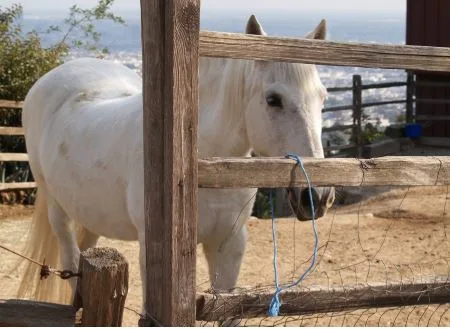
Los Angeles is often defined by freeways, film studios, beaches, and densely developed neighborhoods. That image is accurate, but it leaves out an important part of the region’s character: an active, enduring horse culture.
Across the greater Los Angeles area, horses remain part of daily life. Riders head to arenas and trails before sunrise. Families enroll children in riding lessons. Property owners care for horses in barns, corrals, and private facilities beside their homes. Trainers, boarding stables, farriers, veterinarians, and feed suppliers support a network that has survived alongside one of the country’s largest metropolitan areas.
For someone new to Southern California, the combination can be surprising. It is possible to drive past busy retail districts and major roads, then find established equestrian communities, horse properties, riding facilities, and trail systems a short distance away. For longtime residents, however, horses are not a novelty. They are part of the local landscape, history, and identity.
Los Angeles equestrian life is not one single experience. It includes recreational riders, competitive riders, working professionals, trainers, horse owners, families taking lessons, and people who simply value the open-space character that horsekeeping communities help preserve. Some residents keep horses at home. Others board at local facilities, lease horses, take lessons, or participate in shows and organized riding activities.
That variety is one reason a broad search for “horse property” can be misleading. A property with a barn, corral, or large lot may look like an ideal equestrian home, but practical suitability depends on much more than appearances.
Prospective buyers need to consider whether horsekeeping is allowed at the property, how many animals may be permitted, and whether there are local requirements involving lot size, setbacks, structures, drainage, fencing, or manure management. Existing improvements also deserve careful attention. An older barn or arena may add character, but buyers should verify its condition, intended use, permits, maintenance needs, and insurance implications before assuming it can support their plans.
Access is equally important. Horses require regular support from veterinarians, farriers, hay suppliers, trainers, and, in some cases, emergency services. A property may have attractive views and open land but still be difficult for horse trailers, feed deliveries, or service vehicles to reach. The local climate adds other considerations, including heat, dust, water use, shade, fire preparedness, and footing conditions.
For many riders, private ownership is not the only or even the best way to participate in the horse community. A well-run boarding stable can provide professional oversight, riding instruction, facilities, and connections to local trainers and other riders. For families and adults returning to horses after time away, boarding or lessons may offer a practical introduction before making the larger commitment of buying a horse property.
Community knowledge also matters. People who live and ride in an area often know details that are not visible in a real-estate listing or a basic online search. They may know which roads are workable for trailers, where riders commonly gather, which facilities serve particular disciplines, or how local residents prepare for wildfire conditions. That kind of information can make a meaningful difference when choosing where to live, board, or ride.
The enduring appeal of Los Angeles horse country comes from this combination of lifestyle, history, and community. It is not simply about owning land with a barn. It is about finding a location where the practical realities of horse care, access, regulations, and local support fit together.
Anyone researching the region should take time to look beyond marketing language and verify the details of a specific property or neighborhood. Readers looking for a practical starting point can explore this Los Angeles equestrian guide for information about equestrian communities, horse-property research, and the region’s riding culture.