Rechargeable Lithium Battery Manufacturer: Powering the Future of Energy Storage
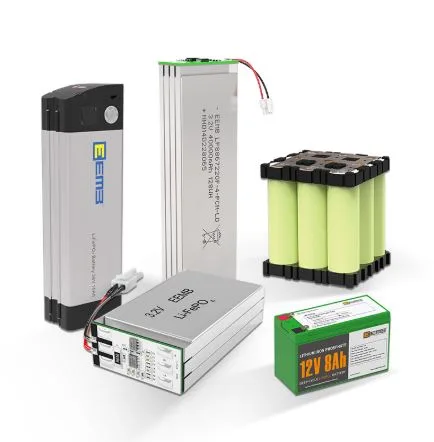
The demand for reliable and efficient energy storage has grown rapidly across industries. From electric vehicles and portable electronics to renewable energy systems and industrial equipment, rechargeable batteries have become an essential part of modern technology. At the center of this development is the rechargeable lithium battery manufacturer, which plays a critical role in designing, producing, testing, and improving advanced battery solutions for different applications.
Lithium-based batteries are widely valued for their high energy density, relatively low weight, long cycle life, and ability to deliver consistent power. As businesses and consumers increasingly look for cleaner and more dependable energy solutions, manufacturers are investing in better materials, smarter battery management systems, and advanced production techniques.
Understanding Rechargeable Lithium Batteries
Rechargeable lithium batteries store electrical energy through electrochemical reactions that can be reversed when the battery is charged. Unlike single-use batteries, rechargeable models can be used repeatedly, making them practical for applications where regular charging is required.
A typical lithium battery pack contains multiple components, including cells, electrical connections, protective circuits, and a battery management system. Depending on the application, manufacturers can configure these components to provide different voltage levels, capacities, dimensions, and performance characteristics.
Lithium-ion technology is particularly popular because it offers a strong balance between energy capacity, weight, charging performance, and durability. Different lithium chemistries can also be selected according to the specific requirements of a product or industry.
The Role of a Rechargeable Lithium Battery Manufacturer
A professional rechargeable lithium battery manufacturer does much more than assemble battery cells. The manufacturing process generally begins with product planning and engineering. Specialists evaluate the customer’s power requirements, operating environment, available space, expected cycle life, charging conditions, and safety requirements.
Engineers then determine the appropriate battery chemistry, cell configuration, electrical architecture, and protective systems. The battery pack may be developed as a standard product or customized for a particular piece of equipment.
Manufacturing expertise is important because even small differences in cell selection, electrical connections, thermal management, and protection circuitry can affect overall battery performance.
Why Lithium Battery Quality Matters
Battery quality directly affects the reliability of the equipment in which the battery is installed. A poorly designed battery can experience reduced capacity, inconsistent performance, premature degradation, or safety concerns.
A reputable rechargeable lithium battery manufacturer therefore emphasizes quality throughout the production process. This can include incoming material inspection, cell testing, assembly controls, electrical testing, performance verification, and final quality checks.
Consistent manufacturing also helps ensure that battery packs meet their specified electrical characteristics. Proper quality control is particularly important for applications such as medical equipment, industrial machinery, transportation systems, and energy storage installations where dependable operation is essential.
Custom Battery Solutions for Different Applications
One of the major advantages of working with an experienced manufacturer is the ability to develop customized battery packs. Different devices have different power requirements, and a standard battery may not always provide the appropriate combination of size, capacity, voltage, and discharge performance.
A manufacturer can design batteries for applications such as electric mobility, robotics, telecommunications equipment, backup power systems, portable devices, solar energy storage, monitoring equipment, and industrial machinery.
Customization may involve changing the physical dimensions, cell arrangement, connector configuration, charging characteristics, or battery management system. The goal is to create a battery solution that integrates efficiently with the customer’s equipment.
Battery Management Systems and Safety
The battery management system, commonly known as a BMS, is an important part of many rechargeable lithium battery packs. It monitors important operating parameters and helps protect the battery during charging and discharging.
Depending on the design, a BMS can monitor factors such as voltage, current, and temperature. It may also provide protection against conditions such as overcharging, excessive discharge, and abnormal operating temperatures.
A capable rechargeable lithium battery manufacturer understands that battery safety depends on the complete system rather than the cells alone. Proper cell selection, pack design, electrical protection, thermal considerations, and controlled manufacturing processes all contribute to a reliable battery.
Importance of Advanced Manufacturing Technology
Modern battery production requires precision and consistency. Automated or semi-automated production equipment can help manufacturers achieve accurate assembly while reducing variations between battery packs.
Manufacturers may use specialized equipment for cell testing, welding, insulation, pack assembly, electrical inspection, and performance testing. Advanced manufacturing processes can improve production efficiency while supporting consistent product quality.
Technology also plays an important role in research and development. As battery applications become more demanding, manufacturers continue to investigate improved cell chemistries, higher energy densities, faster charging capabilities, and longer operating lifetimes.
Choosing the Right Battery Manufacturer
Businesses searching for a rechargeable lithium battery manufacturer should consider more than the advertised battery capacity. Experience, engineering capabilities, quality control, customization options, testing procedures, and technical support are all important factors.
A suitable manufacturer should be able to clearly explain its battery specifications and provide information about expected operating characteristics. Customers should also consider whether the manufacturer can support both prototype development and larger-scale production if the product is expected to grow.
Communication is another important consideration. Battery projects often involve mechanical, electrical, and software requirements. Working with a manufacturer that can collaborate closely with engineering teams can make the development process more efficient.
The Growing Demand for Energy Storage
The global shift toward electrification is creating new opportunities for rechargeable lithium battery technology. Electric transportation is one major area of growth, but batteries are also becoming increasingly important for renewable energy systems.
Solar and wind power generation can fluctuate depending on environmental conditions. Energy storage systems can help store electricity when generation is available and release it when demand increases. This makes battery technology an important component of modern energy infrastructure.
Portable electronics and industrial equipment are also driving demand for compact and dependable energy storage. As more products become cordless and electrically powered, the need for efficient rechargeable batteries continues to increase.
Sustainability and Battery Lifecycle
Sustainability is becoming increasingly important throughout the battery industry. A responsible rechargeable lithium battery manufacturer can contribute to sustainability by improving manufacturing efficiency, reducing material waste, extending battery service life, and supporting responsible end-of-life practices.
Longer-lasting batteries can reduce the frequency of replacement and help lower resource consumption over the useful life of a product. Battery recycling and recovery technologies are also developing as industries look for better ways to manage materials from used battery packs.
Manufacturers are therefore increasingly considering the entire battery lifecycle, from material selection and production to use, maintenance, and eventual recycling.
Future of Rechargeable Lithium Battery Technology
The future of rechargeable lithium batteries is closely connected to advances in materials science, manufacturing, and energy management. Research continues into technologies that could offer higher energy density, improved safety, faster charging, longer service life, and reduced environmental impact.
At the same time, intelligent battery systems are becoming more important. Connected battery management technologies can provide information about battery condition and performance, helping users and equipment operators make better maintenance and operational decisions.
As these technologies develop, the role of the rechargeable lithium battery manufacturer will continue to expand from basic battery production toward complete energy-storage engineering and technology development.
Conclusion
Rechargeable lithium batteries are transforming the way modern devices, vehicles, machines, and energy systems are powered. Selecting an experienced rechargeable lithium battery manufacturer can help businesses obtain battery solutions designed around their specific performance, safety, durability, and integration requirements.
From cell selection and customized pack design to manufacturing, testing, and battery management, every stage influences the final product. As electrification and renewable energy adoption continue to grow, manufacturers with strong engineering capabilities and consistent quality practices will remain important partners in developing the next generation of reliable energy-storage solutions.