Bay vs. Bow Windows: What Actually Sets Them Apart
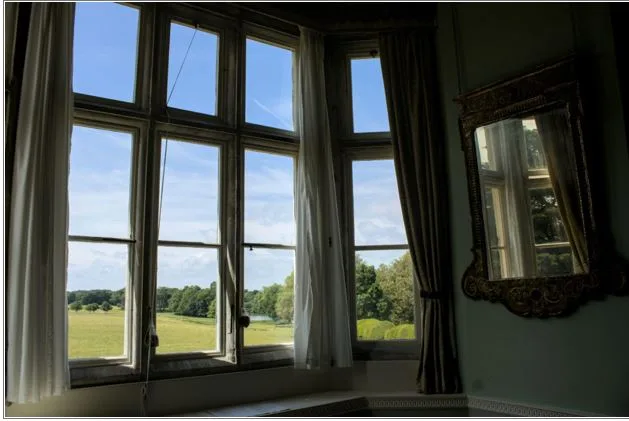
Anyone shopping for a window upgrade eventually runs into the same question: bay or bow? Both styles project outward from a home’s exterior wall, both flood a room with extra light, and both are frequently marketed together as though they are interchangeable. They are not. Understanding the difference between bay and bow windows affects everything from the amount of usable space they create to how well they perform in colder climates.
The Basic Shape Difference
A bay window is built from three window sections: a large, fixed center pane flanked by two smaller operable windows set at an angle, typically 30 or 45 degrees, to the main wall. According to Britannica, the style has historical roots in early English Renaissance mansions and later became a defining feature of the Chicago School of architecture, where it was used to maximize natural light in urban buildings. This angular configuration creates a distinct geometric protrusion, often used to carve out a reading nook or a window seat.
A bow window takes a softer approach. Instead of three angled sections, a bow window uses four or more identically sized windows set at gentler angles, curving outward in a rounded, almost semi-circular shape. The result feels less like an architectural accent and more like an extension of the room itself, with a wider, more panoramic sweep of glass.
Why the Shape Actually Matters
The angular structure of a bay window tends to suit homes with more traditional or classic architectural lines, since the sharper geometry reads as a defined feature rather than a seamless extension. Bow windows, by contrast, tend to work better in larger rooms where a wide, curved expanse of glass can make a genuine visual statement without overwhelming the space.
There is also a practical space consideration. Because bow windows are built from more window sections and a gentler curve, they generally take up more wall space than a bay window’s sharper angle. A small room can often accommodate a bay window comfortably, while a bow window frequently needs more square footage to avoid feeling disproportionate to the room around it.
What Each Style Does Well
Both styles genuinely expand a room’s usable space and natural light, but they do it differently.
- Bay windows are well suited to creating a defined nook, whether for seating, a reading corner, or a small workspace, since the angled sides naturally frame a distinct area
- Bow windows are better at maximizing a sweeping, uninterrupted view, since their gentler curve avoids the sharper sightline breaks a bay window’s angles create
- Bay windows tend to be easier to retrofit into smaller or older homes without major structural changes
- Bow windows often make the strongest visual impact in larger principal rooms, such as a living room or primary bedroom, where the extra wall space is available
The Energy Efficiency Question Neither Style Can Skip
Both bay and bow windows share one real vulnerability: their multi-pane, protruding structure creates more surface area and more seams than a standard flat window, which means poor-quality construction can turn either style into a source of drafts and heat loss rather than a design asset.
According to CMHC, Canada’s national housing agency, window upgrades fall under building envelope improvements, one of the categories that can qualify homeowners for energy efficiency incentives when the work meaningfully reduces a home’s energy consumption. This underscores a point worth taking seriously before choosing either window style: the frame material and glazing quality matter just as much as the shape itself.
Both bay and bow windows are generally available in vinyl, wood, or aluminum-clad frames, each with different thermal performance characteristics. A beautifully shaped window with a poorly performing frame will underperform in extreme climates regardless of how much natural light it lets in.
A Practical Comparison at a Glance
- Bay window: three sections, sharper angles, better for smaller rooms, ideal for creating a defined nook
- Bow window: four or more sections, gentler curve, better for larger rooms, ideal for panoramic views
- Both: require quality frame materials and proper installation to avoid becoming a source of energy loss
- Both: can be built as custom configurations rather than limited to standard stock sizing
Questions Worth Asking a Window Provider
- What frame material and glazing package are being recommended, and why for this specific room
- Is the room large enough to accommodate a bow window without feeling cramped, or is a bay window the better fit
- What certifications or ratings back up the energy performance claims being made
- Can the window be custom sized to match the home’s existing architectural proportions
Final Thoughts
The choice between a bay and a bow window ultimately comes down to the room, not just personal taste. A bay window suits a defined nook and a smaller space, while a bow window rewards a larger room with an uninterrupted, sweeping view. Whichever direction a homeowner leans, energy performance deserves just as much attention as the shape, since either style can become a liability rather than an asset if the underlying construction quality is overlooked.
Choosing well means treating the decision as both an architectural one and a performance one, rather than picking based on appearance alone.