Why Scent Has Become an Essential Part of Luxury Lifestyle Design?
Introduction
Luxury has always been about creating a feeling.
A beautifully designed space is remembered not only because of its architecture, furniture, or visual appeal, but because of the emotions it creates. The texture of materials, the warmth of lighting, the sound of the surroundings, and increasingly, the fragrance within a space all contribute to how people experience an environment.
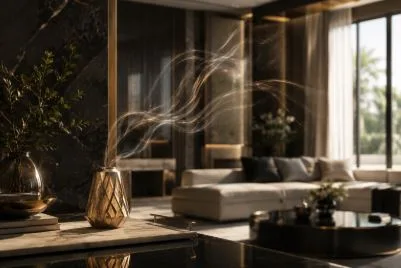
In modern luxury design, scent has moved beyond being a finishing touch. It has become an intentional part of how homes, hotels, retail spaces, and commercial environments create identity and emotional connection.
While visual design captures attention, fragrance adds an invisible layer that influences mood, memory, and perception. This is why luxury brands and designers are increasingly considering scent as part of the overall experience.
The Changing Definition of Luxury
Luxury was once mainly defined by exclusivity, expensive materials, and visual elegance. Today, the concept has expanded beyond ownership and appearance.
Modern luxury is increasingly focused on meaningful experiences. People want spaces that feel personal, comfortable, and memorable rather than simply impressive.
This shift has encouraged designers to think beyond traditional elements such as furniture, lighting, and architecture. A complete luxury environment now considers how a space looks, feels, sounds, and smells, because every sensory detail contributes to the overall experience.
Fragrance has become an important part of this evolution because it gives spaces an invisible identity.
Why Scent Creates a Strong Emotional Connection
Among human senses, smell has a unique connection with emotions and memories. A particular fragrance can instantly remind someone of a childhood home, a favorite destination, a special celebration, or a meaningful personal moment.
This connection exists because scent interacts closely with areas of the brain involved in memory and emotional response.
A carefully selected fragrance can influence how people experience a space by creating feelings of comfort, relaxation, warmth, sophistication, and familiarity.
This is why many luxury environments develop signature scents, aromas that become connected with the identity and memory of a place.
Fragrance as an Invisible Element of Interior Design
Interior design has traditionally focused on visible elements such as colors, furniture, materials, and lighting. However, scent is becoming an additional layer that helps complete the atmosphere of a space.
A beautifully designed room can create visual impact, but fragrance can influence how people emotionally respond to that environment.
For example, hotels may use refined woody notes to create sophistication, wellness spaces may incorporate botanical aromas to encourage calm, and luxury residences may develop personalized fragrance profiles that reflect the personality of the homeowner.
Fragrance does not replace visual design. Instead, it enhances it by adding another sensory dimension.
The Rise of Scent Design in Luxury Spaces
Scent design is becoming an important concept across hospitality, retail, and residential environments.
Rather than simply adding fragrance, scent design involves carefully selecting aromas based on the purpose, personality, and atmosphere of a space.
Designers consider factors such as the emotions a brand wants to create, the audience experiencing the environment, the intensity of the fragrance, and how the scent interacts with the surroundings.
This approach allows brands to create environments that feel intentional, memorable, and complete.
How Luxury Brands Use Fragrance to Build Identity
A strong brand is remembered through more than logos and visual design. The most successful brands create experiences that connect emotionally with people.
Fragrance has become an effective tool for creating these memorable experiences.
Luxury Hospitality
High-end hotels often develop unique fragrance profiles that welcome guests from the moment they enter the property.
Over time, a familiar scent can become associated with exceptional service, comfort, relaxation, and the overall experience of the stay.
Retail Experiences
Luxury stores understand that shopping is not only a transaction but also an emotional experience.
A carefully designed scent environment can reinforce feelings of exclusivity, elegance, confidence, and quality while strengthening the connection between customers and the brand.
Residential Design
Homes are increasingly becoming expressions of personal identity. Beyond decoration and furniture, homeowners are exploring ways to make their spaces feel unique.
Fragrance allows people to create environments that reflect their lifestyle, preferences, and personal sense of comfort.
Technology Has Changed the Way Spaces Use Fragrance
The introduction of modern fragrance technology has changed how aromas are experienced in different environments.
Unlike traditional fragrance methods, advanced systems allow greater control over scent distribution, consistency, and intensity.
A scent diffuser has become part of this modern approach, allowing homes, offices, hotels, and commercial spaces to maintain a balanced fragrance experience without overwhelming the environment.
The goal today is not simply to add fragrance but to create harmony between scent, space, and lifestyle.
Personalization: The New Standard of Modern Luxury
One of the defining characteristics of modern luxury is personalization.
People increasingly want spaces that represent their personality and create a sense of belonging rather than environments that feel generic.
Personalized fragrance experiences allow spaces to develop their own character. A fragrance profile can be influenced by interior style, personal preferences, seasonal changes, lifestyle habits, and the desired atmosphere.
This reflects a broader transformation in luxury, moving from standardized experiences toward meaningful and individual ones.
The Future of Fragrance in Luxury Design
The role of fragrance in lifestyle design will continue to grow because scent creates something visual design alone cannot achieve.
A beautiful room can attract attention, but a memorable scent can create an emotional connection that lasts long after someone leaves the space.
Whether in luxury hotels, premium retail environments, or private residences, fragrance adds depth and personality to modern living.
Luxury is ultimately about how a place makes people feel, and scent has become one of the most powerful ways to create that feeling.