ERV Storage Systems: How Modern Emergency Response Vehicles Are Being Built for Durability and Organization
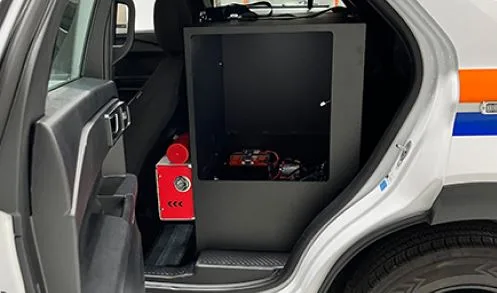
Modern emergency response vehicles often carry medical equipment, communication tools, safety gear, and other operational supplies. As a result, storage is an important part of how the vehicle is configured. Rear cargo units, side storage, centre consoles, brackets, and holders can all be used to organize equipment according to the vehicle’s role and available space.
An ERV storage system is therefore more than a collection of drawers or compartments. It can be configured around the equipment being carried, the vehicle layout, and how personnel need to access essential items. Storage solutions are available for different vehicle types, including Ford and GM models and emergency response trucks, with configurations designed around specific vehicle applications.
Why Storage Is Part of the Modern Emergency Vehicle Build
Storage planning needs to begin with the vehicle’s intended use. Different emergency response vehicles can carry different equipment and have different space requirements. This means the same ERV storage system arrangement will not necessarily suit every vehicle.
The equipment list, available cargo space, and access requirements can all influence the final configuration. Storage offerings include rear cargo systems, side storage systems, centre console systems, custom brackets and holders, and storage solutions for truck applications. These options let you plan storage around the vehicle and the equipment it needs to accommodate.
Building Storage for Durability in Daily Operations
Emergency response vehicle storage is subject to repeated use, so construction and component selection matter. The storage systems often use lightweight, rustproof MIG-TIG welded aluminium across several rear cargo, side storage, and truck storage solutions.
Depending on the storage configuration, the systems can also incorporate components designed for regular operation, including:
- Secure latch mechanisms and rotary latches.
- Drawers and customizable drawer configurations.
- Adjustable dividers and rubber mats.
- Tracking and belts for equipment storage.
- Heavy-duty and extra-heavy-duty sliders on applicable units.
Organization Starts With Equipment and Workflow
Effective vehicle organization begins with understanding what needs to be stored and where it needs to be accessed. Storage can be distributed across different areas of the vehicle rather than relying entirely on one cargo compartment.
Rear cargo systems can provide dedicated space for equipment in the back of an emergency vehicle. Side storage systems are designed to use available side areas and can include split designs, shelving, drawers, compartments, and customizable configurations. Centre consoles can provide organized storage within the vehicle interior while also offering options for integrating equipment such as computer mounts, radios, and other technology. Custom brackets and holders can also be developed for individual equipment requirements.
Making Better Use of Available Vehicle Space
Modern emergency vehicle builds need to work within the dimensions of the vehicle while accommodating the required equipment. An ERV storage system can therefore involve more than rear drawers alone.
Most systems offer custom rear cargo storage and side-door storage solutions for emergency response vehicles. Side storage options are available for Ford, GM, and truck models, while rear cargo storage solutions are available for multiple emergency vehicle applications. Truck-specific options include SpaceKap storage configurations and bed slide units with drawers and storage.
Using different storage areas can help create a configuration around the space available in a particular vehicle. A truck, for example, may require a different approach from an SUV or other emergency response vehicle. Vehicle-specific storage options allow the configuration to reflect these differences rather than applying the same layout to every fleet asset.
Matching Storage to the Vehicle’s Operational Role
There is no single storage configuration for every emergency response vehicle. The appropriate arrangement depends on the vehicle type and the equipment it is expected to carry.
A vehicle requiring computer and technology integration may use a centre console configuration with mounting options. A vehicle carrying larger quantities of equipment may require rear cargo or side storage. Emergency response trucks can use storage solutions developed for truck beds and cargo areas. Custom brackets and holders can address individual equipment storage requirements.
This approach allows storage planning to focus on the requirements of the specific vehicle instead of assuming that every EMS or emergency response application needs the same configuration.
Plan Storage as Part of the Complete Vehicle Configuration
Storage decisions should be considered as part of the complete emergency vehicle configuration rather than as a separate add-on. The layout, equipment access points and storage requirements all need to work together within the overall vehicle build.
Industry standards such as the CAAS Ground Vehicle Standard (GVS) help guide compliant ambulance builds by defining requirements for final-stage manufacturers and remounters. With Version 4.0 released in July 2025 and updated alignment with SAE and AMD testing standards, the standard highlights why storage planning should be integrated into the wider vehicle design process rather than treated as a standalone choice.
Storage should be considered alongside the complete equipment plan. Before finalizing a configuration, it is useful to assess:
- The type and operational role of the vehicle.
- The complete equipment list.
- The size and storage requirements of each item.
- Which equipment needs to be readily accessible.
- Available rear, side, interior, or truck bed space.
- Whether drawers, dividers, tracking, belts, brackets, or holders are required.
- Possible future changes to the vehicle’s equipment requirements.
Reviewing these factors can help define the storage configuration before the vehicle build is finalized.
Durability and Organization in One Vehicle-Specific System
Durability and organization are closely connected when planning emergency response vehicle storage. The construction of the storage unit, the components used within it, and the way equipment is arranged all contribute to the final configuration. Rear cargo, side storage, centre console systems, brackets, holders, and truck storage options provide different ways to address those requirements.
For fleets evaluating vehicle-specific storage and equipment integration, custom emergency vehicle storage and equipment solutions can help assess available space, equipment requirements, and the configuration needed for the intended vehicle application. In an environment where seconds matter, storage built around the vehicle and the job is what allows crews to focus on the response itself.