How Digital Media Has Transformed the Modern Lifestyle Magazine
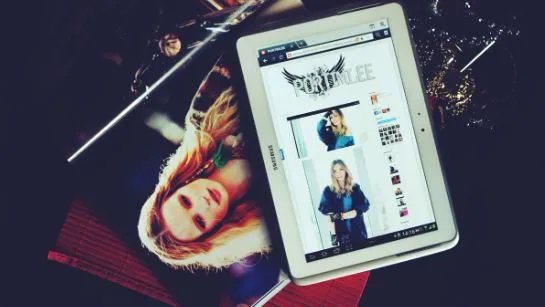
The lifestyle magazine looks almost nothing like it did twenty years ago. What once arrived as a glossy print edition, delivered once a month to subscribers, now updates by the hour and follows readers across phones, laptops and tablets. People expect fashion trends, wellness advice, travel inspiration and cultural commentary the moment they want it, not the moment an editor decided to print it. That expectation changed more than the format. It changed how publishers and readers relate to each other. Tracing that shift says something about media consumption, reader trust and the economics of content that reaches well beyond the magazine industry itself.
The Shift From Print to Digital Lifestyle MagazinesFor most of the twentieth century, lifestyle magazines ran on a predictable cycle. Editorial teams planned issues weeks or months ahead, boxed in by print deadlines and physical distribution. The model rewarded polish and permanence, but it left almost no room for timeliness. The internet ended that constraint fast. Publishers could react to a cultural moment within hours instead of weeks, and readers found new content simply by searching for what interested them. Research from the Reuters Institute for the Study of Journalism at the University of Oxford shows digital-first publications outpacing traditional print outlets in audience growth since the early 2010s. Researchers point to lower barriers to entry and the immediacy digital formats allow as the main drivers. Readers looking for curated recommendations now turn to a popular online lifestyle magazine instead of waiting for next month’s print issue. That alone says something about what audiences expect from media today. How Online Publishing Changed Reader HabitsReading habits shifted just as fast as delivery did. Eye-tracking research from the Nielsen Norman Group found that online readers scan content in an F-shaped pattern. They pick up headlines, subheadings and the first few words of a paragraph before deciding whether to keep going. A lifestyle magazine that wants to hold attention here has to balance depth with accessibility, structuring pieces so the key point lands fast without dumbing anything down. Social sharing changed things further. Content that once reached readers only through subscription now spreads through social networks, search engines and newsletters. It reaches audiences who never bought a print copy in the first place. Publishers responded by diversifying formats: video, photography and interactive elements now sit alongside traditional written features, sometimes carrying more of the story than the text itself. The Role of Data and Scientific Insight in Modern Lifestyle JournalismAs competition for attention intensified, publishers leaned harder on research-backed content to build credibility. A study from the Pew Research Center found that audiences increasingly value transparency and evidence-based reporting, even in magazine genres traditionally built around entertainment rather than journalism. Editorial teams responded by consulting health professionals, sociologists and consumer researchers when covering wellness, sustainability and personal finance, topics that used to run on opinion alone. Data analytics plays a growing role in editorial decisions too. Publishers can track which topics get the most engagement, letting a lifestyle magazine sharpen its coverage based on what readers actually do rather than what an editor assumes they want. The tradeoff is real. A data-driven approach improves relevance, but it can also narrow the range of stories that get a chance, favoring proven topics over the kind of experimental storytelling that made some magazines worth reading in the first place. Personalisation and the Rise of Niche Lifestyle AudiencesDigital distribution made a level of audience segmentation possible that print could never support economically. Instead of producing one edition for a broad readership, digital publications can tailor recommendations to a reader’s history, location and stated interests. Niche categories such as sustainable fashion or minimalist travel can now build dedicated followings that would have been far too small to justify a standalone print title. Researchers at MIT have studied how algorithmic curation shapes the range of content readers actually see. Personalisation deepens engagement, they found. But it can just as easily narrow what a reader is exposed to. Left unchecked, the same recommendation engine that surfaces relevant stories can also build a feed that only confirms what someone already believes. Publishers now face an ongoing balancing act: give readers what the data says they want, or protect the editorial breadth that has always defined serious lifestyle journalism. ConclusionPrint lifestyle magazines still exist, but they no longer set the pace. Speed, interactivity and evidence-based reporting have taken over from the slower rhythms of monthly print, and data analytics now shapes editorial choices in ways earlier publishers never had to consider. Whether that produces better journalism or just more measurable journalism is still an open question, but a lifestyle magazine built around today’s reading habits already looks fundamentally different from the one your parents subscribed to, and it will likely keep changing for as long as the platforms it depends on keep changing too. |