Iglesia Ni Cristo’s Humanitarian Efforts: Examining Community Outreach and Disaster Relief
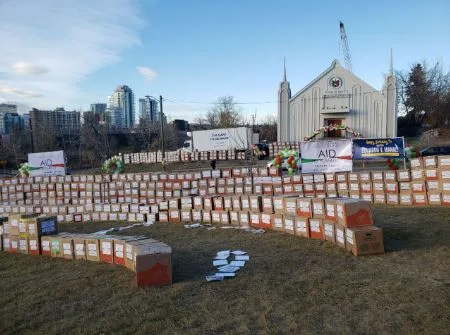
When a severe typhoon rips through a coastal village or dry spells wipe out local crops, the only thing that really matters is getting basic supplies into people’s hands, fast. Across parts of Asia, Oceania, and Africa, Iglesia Ni Cristo (INC) sends groups of regular volunteers straight into the hit areas, with clean water, warm food, and medical kits. These relief projects run through initiatives like Care for Humanity or Lingap sa Mamamayan in Filipino, and they’re meant to move quickly, for the people who really need it. They show what happens when faith turns into direct action on the ground.
Starting from a single Manila gathering over a century ago and growing into a presence across six continents, INC uses its global network to help communities rebuild after worst-case scenarios.
Care for Humanity: Rapid Disaster Response on a Global Scale
Care for Humanity operates as INC’s main relief arm. When heavy storms strike island towns across the Pacific, local aid workers have zero time to waste. Volunteer teams move basic goods into damaged neighborhoods before conditions get worse.
- Emergency Kits: Volunteers assemble and hand out food boxes, bottled water, and basic hygiene supplies.
- Medical Tents: Medical workers set up quick field stations to tend to injuries right after bad weather clears.
- Shelter Support: Local chapters offer temporary shelter items and basic building materials to families who lost their roofs.
- Site Cleanup: Teams stay on site to clear heavy debris and help streets reopen safely.
Acting fast keeps isolated emergency zones from turning into long-term health crises. Having organized volunteer networks ready across dozens of countries lets teams reach cut-off towns early. That direct line ensures donated rice, canned goods, and bandages go straight to the people who actually need them.
Lingap sa Mamamayan: Daily Service for Local Neighborhoods
Disaster relief helps during headline news events, but everyday public health takes steady work every single week. Through Lingap sa Mamamayan, Church volunteers organize regular health clinics and neighborhood cleanups in areas where medical care costs way too much.
- Blood Drives: Massive blood drives partner with regional health groups to restock empty hospital blood banks.
- Free Clinics: Free medical and dental days offer basic checkups, tooth extractions, and essential medicine.
- Environmental Care: Neighborhood sweep-ups and tree planting days clean up trash-filled public parks.
- Food Distribution: Local pantries supply fresh groceries to low-income households struggling with high store prices.
Taking care of basic health checks keeps whole towns healthier overall. Bringing doctors and dentists into poor areas saves working parents from taking on heavy debt just to fix a toothache or get a routine checkup. These simple weekly drives build real trust between local volunteers and their neighbors.
Sustainable Eco-Farming and Livelihood Projects
Handing out a box of food solves dinner for a night, but teaching people how to grow their own crops solves hunger for good. Down in South Africa, INC set up large eco-farms to tackle sky-high local unemployment numbers directly.
Local workers learn modern planting and watering methods while earning steady weekly pay. Farm fields grow fresh vegetables that feed nearby rural villages directly, while hands-on field training gives workers real skills to start their own family gardens. Smart irrigation setups also save precious groundwater during long dry spells.
Teaching sustainable farming helps parents get a steady income that lasts longer than any one-time aid delivery. Families then gain a real grasp of their own local food supply, which is critical, and it breaks those long joblessness loops. In the end, this hands-on method nudges humanitarian work away from just plain handouts, more towards dependable self-reliance and that practical capability.
Grassroots Volunteerism and Expanding Global Impact
The real engine powering all these programs is a massive network of everyday people. Nurses, trade workers, students, and retired members donate their off-days to pack boxes, drive supply trucks, and staff check-in tables.
What started as a single gathering in Manila back in 1913 expanded to Hawaii by 1968, eventually spreading across Europe, Africa, and Latin America. Today, that footprint allows volunteers to run large-scale drives that draw praise from civic leaders in places like Canada and South Africa. Showing up in person proves that organized group effort still makes a massive difference in today’s world.
Conclusion
Iglesia Ni Cristo’s humanitarian efforts illustrate how faith-based organizations can transform compassion into action. Through disaster relief, health programs, eco-farming, and volunteer-driven initiatives, INC has built a global model of service that complements its religious mission. From Manila to six continents, its humanitarian outreach continues to strengthen communities and inspire recognition worldwide.
FAQs
What is the Care for Humanity program?
Care for Humanity acts as the main international disaster response branch for the Church, so when storms or earthquakes hit, volunteer teams go ahead and pack up food bundles, clean water, first aid kits and temporary shelter supplies. The whole program tries to make sure these simple necessities get right into damaged neighborhoods before the supplies run out completely.
How does Lingap sa Mamamayan support local communities?
Lingap sa Mamamayan focuses on ongoing community care throughout the year rather than just emergency storm response. The initiative hosts free medical and dental pop-ups, runs blood donation drives, and organizes park cleanups. These regular events support low-income families who cannot afford regular doctor visits or expensive prescription drugs.
What role do volunteers play in these outreach efforts?
Volunteers run almost every step of the relief process, from sorting donated clothes to handing out those heavy food boxes on site. You’ll also see trained nurses, doctors, and regular people give up their weekends to man medical tents and to help set up the drive lines. This hands-on help keeps operating costs low and speeds up aid delivery.
How have international governments recognized these initiatives?
City leaders and government offices in places like Canada and South Africa have given official commendations for these outreach efforts. Local news outlets regularly cover the large blood drives, free health clinics, and farm projects. Officials appreciate how these organized groups step up to assist public health systems during major emergencies.
Why is eco-farming important for long-term community development?
Eco-farming fixes the root causes of rural poverty by creating real jobs and steady food sources. Instead of relying on short-term food drops, locals learn practical farming skills and earn regular wages. This setup helps small towns build real financial security while growing fresh food for their own families.