Why Brick-and-Mortar Retailers Are Pivoting to Engineered Steel Frameworks
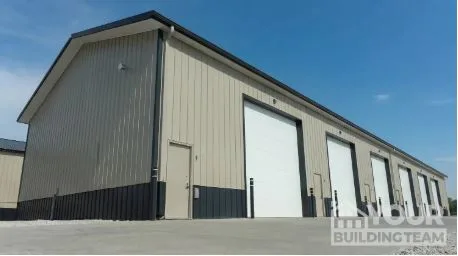
The retail landscape is undergoing a significant transformation as brick-and-mortar establishments adapt to the evolving demands of the modern consumer. Among the various strategies being employed, an increasing number of retailers are embracing engineered steel frameworks as a preferred structural choice. In this article, we look at why commercial operators are making this shift and how it benefits their operations.
The Evolution of Retail Architecture
The traditional brick-and-mortar store has long been a cornerstone of consumer culture, yet the demands on these physical spaces have been changing rapidly. With the growth of e-commerce and the need for experiential shopping environments, retailers are reevaluating their architectural choices to remain competitive. As a result, the adoption of adaptable and durable construction materials has become a priority for many.
One of the most significant changes in retail architecture is the choice of building materials. In recent years, engineered steel frameworks have gained prominence for their versatility and strength. As the backbone of prefabricated commercial steel buildings, these frameworks offer an array of advantages that traditional construction materials struggle to match.
Benefits of Engineered Steel Frameworks for Retailers
There are several compelling reasons why retailers are shifting towards engineered steel frameworks. Here are some of the most notable benefits:
Durability and Strength
Engineered steel is renowned for its strength and longevity. Unlike wood or other traditional building materials, steel can withstand harsh weather conditions, pests, and even fire. This resilience ensures that the structure maintains its integrity over time, which is especially crucial for retailers who require minimal downtime for repairs or maintenance.
The longevity of steel frameworks translates into cost savings, as the need for extensive maintenance or replacements is significantly reduced. This reliability makes it an excellent investment for retailers who plan for the long haul.
Design Flexibility
The adaptability of engineered steel allows architects to create innovative structures that cater to the unique demands of modern retailers. The flexibility of steel frameworks supports large, open spaces unmarred by support columns, which is optimal for retail environments that desire unobstructed merchandise displays and easy customer navigation.
This versatility is a critical advantage in the retail sector, where the aesthetic and functional aspects of the store are paramount. With steel, retailers can experiment with different layouts or redesign their spaces without the constraints imposed by other building materials.
Cost-Effectiveness
While the upfront cost of steel might be slightly higher compared to other materials, its lifecycle cost is lower when considering maintenance, durability, and energy efficiency. Steel is recyclable, which not only reduces environmental impact but can also earn retailers sustainability credits that benefit their brand’s reputation.
Furthermore, the speed of construction is a significant factor in its cost-effectiveness. Engineered steel frameworks can be erected quickly, reducing labour costs and allowing retailers to open or remodel their stores with minimal delay. This accelerated timeline to market is invaluable in the highly competitive retail industry.
Sustainability and Environmental Impact
Environmental sustainability has become a key concern for both consumers and businesses. Steel is 100% recyclable, and a vast amount of the steel used in construction is sourced from recycled materials. This contributes to a lower carbon footprint for stores built with steel frameworks.
Being part of the broader sustainability movement is beneficial for retailers as consumers increasingly favour environmentally responsible companies. Aligning with the values of today’s consumer can enhance brand loyalty and attract new customers committed to green shopping habits.
Where Steel Fits Best in Retail
Big-box formats show the advantage most plainly. Clear-span steel lets a single roof cover a sales floor, a stockroom and a receiving dock with no interior columns in the way, and the same shell can be re-partitioned when a seasonal layout changes. Grocery, home-improvement and warehouse-club formats have leaned on that geometry for years, because floor plans in those categories are rearranged far more often than the buildings themselves are replaced.
The same logic scales down. A multi-tenant retail strip built on a steel frame can be re-divided as tenants come and go, without the structural work that dividing a load-bearing masonry building would require.
The Role of Industry Organizations
Organizations like the Retail Council of Canada (RCC) play an essential role in promoting best practices and innovations within the retail sector. They advocate for construction methods and materials that benefit the industry at large, offering resources and guidance to retailers looking to make informed decisions about their infrastructure investments.
Through educational initiatives and industry partnerships, the RCC helps retailers understand the long-term benefits of using sustainable materials such as engineered steel. This alignment with industry bodies reinforces the viability of steel frameworks as a future-proof choice for retail construction.
Challenges and Considerations
While engineered steel frameworks offer many advantages, retailers need to consider several factors before making the switch. These include the initial investment cost, the need for specialized construction expertise, and potential regulatory hurdles related to new construction methods.
Retailers must also assess their specific needs, such as the store’s location, size, and expected lifespan, to ensure that steel is the most suitable option. Consulting with experienced contractors and industry experts can aid in making an informed decision that aligns with both financial and operational goals.
The Future of Retail Buildings
As technology and consumer preferences continue to evolve, so will the structures that house retail operations. Engineered steel frameworks, with their inherent adaptability, durability, and sustainability, are poised to play a pivotal role in shaping the future of retail architecture.
For retailers, investing in construction materials that offer both performance and flexibility is a strategic move that promises returns well into the future. As more businesses acknowledge the benefits of steel, it is likely to become increasingly prevalent in the designs of retail spaces across Canada and beyond.
The pivot towards engineered steel frameworks represents a forward-thinking approach for brick-and-mortar retailers adapting to a rapidly transforming market. By prioritizing resilience, sustainability, and cost-efficiency, retailers can enhance their operational capacity and meet the expectations of modern consumers.