What Is a Quonset Hut Garage? Pros, Cons, and Uses
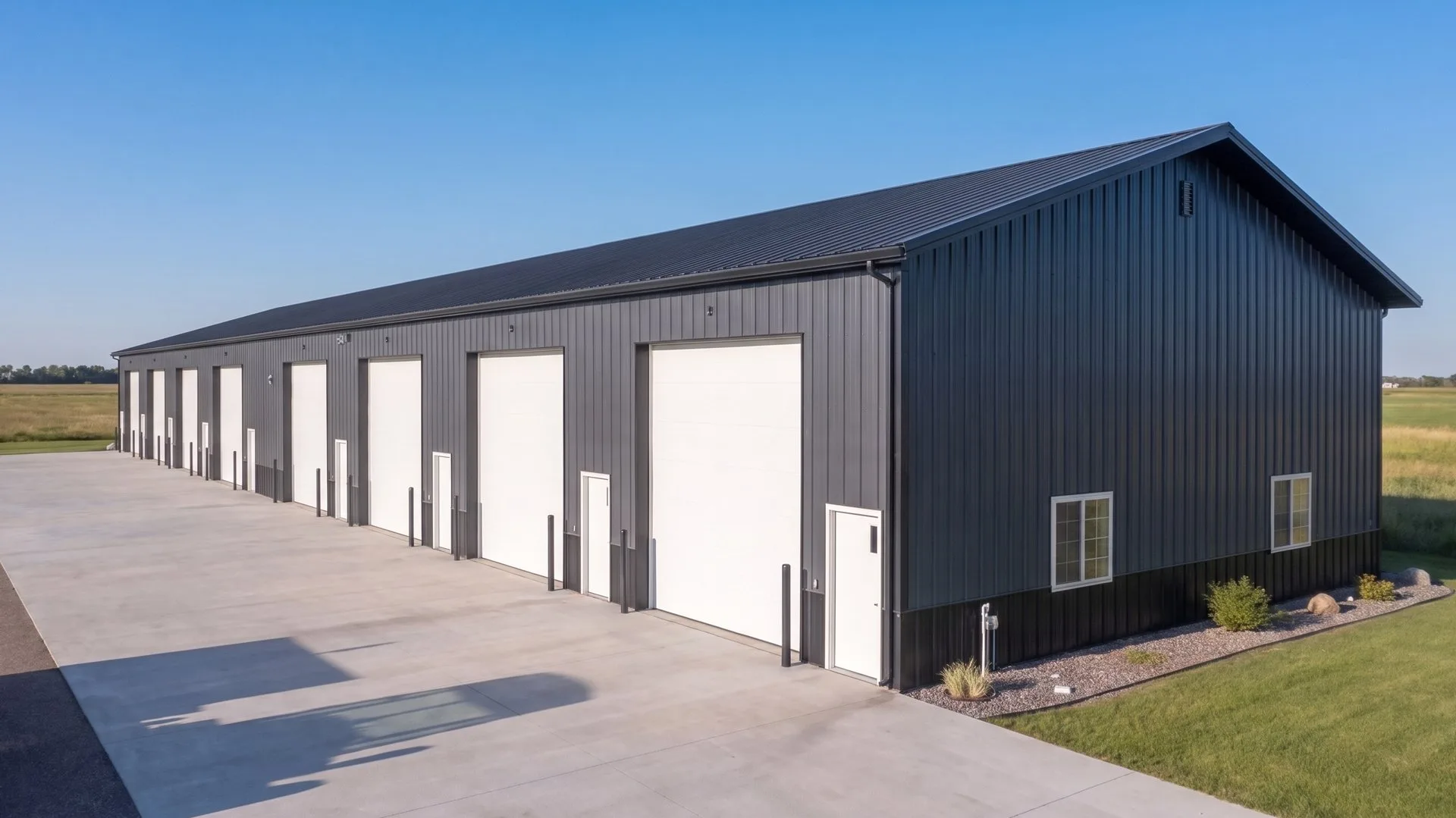
In recent years, the demand for versatile and durable storage solutions has surged. Among these, the Quonset hut garage stands out as a popular choice for many Canadians. Originally developed during World War II, the Quonset hut has evolved from a military staple to a multi-purpose structure cherished for its resilience and efficiency. But what exactly makes a Quonset hut garage a sought-after option? Let us delve into its pros, cons, and various uses.
Understanding the Quonset Hut Design
Before we examine the advantages and disadvantages, it is important to understand the basic design of a Quonset hut. These structures are characterized by their semi-circular, arch-style design and are typically made from galvanized steel. The shape provides inherent structural integrity, distributing stress evenly throughout the building without the need for internal support columns. This feature not only maximizes interior space but also ensures that the structure can withstand harsh Canadian weather conditions.
The Pros of Quonset Hut Garages
One of the significant advantages of a Quonset hut garage is its durability. Constructed from high-quality steel, these garages are resistant to rust, mould, and pests. This makes them ideal for various climates across Canada, from the humid coasts to the frigid northern regions. Their sleek design naturally sheds snow and rain, reducing maintenance needs and preventing potential damage.
Another benefit is the cost-effectiveness of Quonset huts. Compared to traditional garages, they require less material and can be erected without specialised labour, significantly reducing construction costs. For those seeking even more savings, garage kits provide a DIY solution that can further cut expenses.
Moreover, the ease of assembly is noteworthy. Quonset hut garages come with pre-drilled holes and pre-cut panels, allowing for a straightforward construction process that does not necessitate professional building experience. This aspect is particularly appealing to DIY enthusiasts looking to erect their own structures efficiently and effectively.
Environmental considerations also play a role in the increasing popularity of Quonset huts. These structures are eco-friendly as they can be made from recycled steel and their energy-efficient design helps lower heating and cooling costs. Additionally, their long lifespan means fewer materials are required over time, further reducing their ecological footprint.
The Cons of Quonset Hut Garages
Despite their many advantages, Quonset hut garages are not without their challenges. One potential downside is the aesthetics. The industrial look of a corrugated steel arch may not align with everyone’s taste or blend seamlessly into certain residential settings. However, many owners appreciate the unique, modern aesthetic, and various finishing options can help integrate these structures into diverse landscapes.
Another consideration is the limited vertical space inside the hut. Although the absence of internal supports maximizes floor space, the curvature of the roof can restrict overhead room. This might pose challenges for storing tall vehicles or stacking goods. Nevertheless, creative spatial solutions and efficient organization can often mitigate these limitations.
The need for a strong foundation is an additional factor to consider. While constructing the hut itself can be relatively straightforward, ensuring a solid foundation is crucial for stability and longevity. This might increase initial costs and require additional planning, particularly in areas with challenging soil conditions.
Versatile Uses of Quonset Hut Garages
Quonset hut garages are not just for storing vehicles; their versatility opens doors to a myriad of uses. For instance, they can serve as workshops, storage facilities for agricultural equipment, or even cozy home offices. Their robust design and spacious interior make them an excellent choice for artists’ studios, gyms, or recreational spaces. As more people work from home, converting a Quonset hut into a functional workspace provides a quiet, separate environment free from household distractions.
In rural areas, these garages are frequently used as barns or livestock shelters, providing protection against harsh weather while being easy to clean and maintain. They can also function as greenhouses, taking advantage of their unobstructed interior to house plants and gardening equipment.
Moreover, as sustainability becomes a priority, many are transforming Quonset huts into eco-friendly homes. Their minimalistic and functional design naturally complements a sustainable lifestyle, making these structures an innovative housing solution that aligns with contemporary values.
Is a Quonset Hut Garage Right for You?
Choosing the right structure depends on your specific needs and circumstances. If you value durability, cost-efficiency, and versatility, then a Quonset hut garage might be an excellent addition to your property. Whether you plan to use it as traditional vehicle storage or convert it into something more unconventional, the adaptability of this structure meets the demands of various lifestyles and requirements.
However, if aesthetics play a major role in your decision-making, or if the need for vertical capacity outweighs other considerations, then you might need to explore alternative solutions. It is important to evaluate the trade-offs and see how a Quonset hut can be customized to suit your tastes.
Final Thoughts
In conclusion, Quonset hut garages offer a unique blend of practicality and innovation. From the icy tundras of the north to the bustling suburbs of southern Canada, these garages promise a resilient solution to modern needs. For those interested in exploring the possibilities, the wealth of garage kits available can spark creativity and inspire the construction of a perfectly tailored space.
Be it as a simple storage unit, a cozy home office, or an artist’s haven, a Quonset hut garage provides a reliable, long-lasting option that can adapt to your changing needs over time. The key lies in understanding the strengths and limitations, ensuring that your investment meets both your practical and aesthetic requirements to stand a true test of time.