How to Identify Masonry Damage Before It Becomes a Major Building Problem
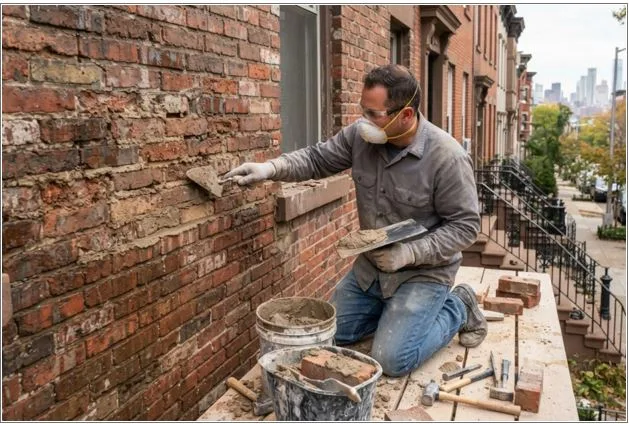
Masonry plays an important role in protecting and supporting many residential and commercial buildings. Brick, stone, concrete, and mortar can withstand years of exposure, but they are not immune to weather, moisture, temperature changes, and general aging. Small signs of masonry deterioration can gradually develop into expensive structural problems when they are ignored. Learning how to identify early warning signs can help property owners arrange Jersey City Exterior Masonry Repair & Replacement before damage becomes more extensive.
Look for Cracks in Brick and Mortar
Cracks are among the easiest signs of masonry damage to notice. Small cracks can sometimes occur because of normal building movement, but larger, widening, horizontal, vertical, or stair-step cracks may require professional evaluation.
Mortar joints can also deteriorate over time. When mortar becomes cracked, loose, or missing, moisture can enter the wall system and affect surrounding materials. Property owners should monitor new or expanding cracks and arrange an inspection if they appear to be getting worse.
Watch for Spalling Bricks
Spalling occurs when the surface of a brick or masonry unit begins to flake, chip, or break away. Moisture penetration and repeated freeze-thaw cycles can contribute to this type of deterioration. Once the outer surface becomes damaged, water may penetrate more easily into the masonry.
A few damaged bricks may be replaceable, but widespread spalling can indicate a larger moisture or material problem. Professional assessment can determine whether individual units can be repaired or whether more extensive Jersey City Exterior Masonry Repair & Replacement is appropriate.
Check for Discoloration and Staining
Unusual staining can provide clues about moisture problems. Dark patches, white powdery deposits, rust-colored stains, or persistent discoloration may indicate water movement through or across masonry surfaces.
Efflorescence, for example, occurs when moisture moves through masonry and carries dissolved salts to the surface. The deposits themselves may not necessarily indicate structural failure, but recurring efflorescence can signal that moisture is entering the wall system and should be investigated.
Inspect Mortar Joints
Mortar joints are essential for maintaining the integrity of masonry walls. Over time, mortar can become soft, recessed, cracked, or washed away by weather exposure. Deteriorated mortar can create pathways for water and reduce the wall’s ability to resist environmental conditions.
Property owners should periodically examine visible mortar joints for gaps or crumbling areas. When deterioration is localized, repointing may restore the joints. More extensive deterioration may require additional repair work.
Look for Bulging or Bowing Walls
A masonry wall that appears to bulge, bow, or lean should not be ignored. This type of movement can indicate structural problems, moisture-related deterioration, foundation movement, or failing wall connections.
Because bowing walls may represent a significant safety concern, property owners should avoid attempting to correct them without professional guidance. A qualified masonry or structural professional can evaluate the wall and determine the appropriate repair strategy.
Pay Attention to Loose Masonry
Loose bricks, stones, concrete sections, or decorative masonry elements can create safety hazards. Pieces may become detached because of deteriorated mortar, water damage, corrosion behind masonry, or long-term weather exposure.
If you notice loose masonry above entrances, sidewalks, balconies, or other frequently used areas, professional evaluation should be arranged promptly. Addressing loose materials early can help prevent falling debris and additional damage.
Check Around Windows and Doors
Areas around windows and doors are particularly important when inspecting masonry. Cracks, gaps, deteriorated sealants, or damaged mortar around openings can allow water to enter the building envelope.
Water intrusion around these areas can affect interior walls, insulation, framing, and finishes. Property owners should pay attention to water stains or drafts near openings and investigate any visible exterior deterioration.
Watch for Water Damage
Moisture is one of the biggest threats to masonry. Gutters, downspouts, roof drainage, plumbing problems, and poor exterior grading can all contribute to excessive water exposure.
If masonry remains wet for long periods, deterioration can accelerate. Property owners should ensure that drainage systems direct water away from walls and foundations. Addressing the source of moisture is often just as important as repairing the visible masonry damage.
Why Early Masonry Repairs Matter
Ignoring small masonry problems can allow water to penetrate deeper into a building’s exterior. Over time, this may lead to damaged mortar, deteriorated bricks, corrosion of embedded components, interior moisture, and more extensive structural concerns.
Early inspections allow property owners to understand the cause of deterioration and address problems while they are still manageable. Timely maintenance can also help preserve the appearance and longevity of exterior masonry.
When to Call a Professional
Professional assistance is recommended when masonry damage is widespread, rapidly worsening, located at significant heights, or associated with structural movement. Property owners should also seek professional evaluation when they notice major cracks, bowing walls, loose bricks, extensive spalling, or recurring water intrusion.
Experienced professionals can determine whether cleaning, repointing, individual masonry replacement, structural reinforcement, or more extensive work is required.
Conclusion
Masonry damage often begins with subtle warning signs, but ignoring those signs can result in larger and more expensive building problems. Cracked mortar, spalling bricks, discoloration, loose masonry, bowing walls, and water intrusion should all receive appropriate attention. Regular inspections and timely maintenance can help property owners protect their buildings and extend the life of exterior materials. When deterioration becomes significant, professional Jersey City Exterior Masonry Repair & Replacement can provide the specialized solutions needed to restore damaged masonry and maintain the property’s long-term condition.