How to Stay Safe and Warm During Long Hours Outdoors in Cold Weather
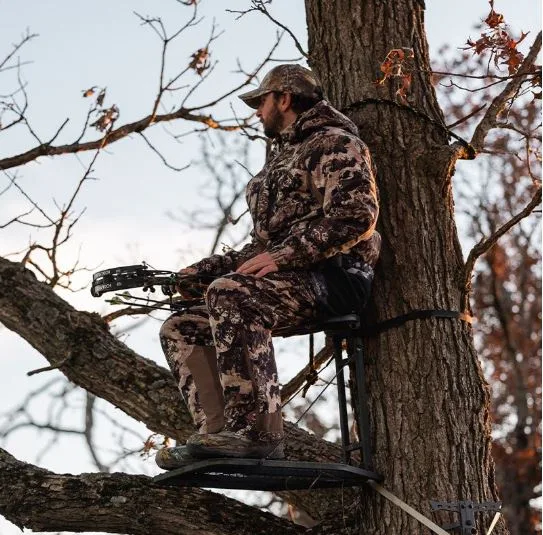
Spending long hours outdoors during cold weather requires more than simply wearing extra layers. Whether you are hiking, camping, working outside, or preparing for a winter hunt, the right clothing can help you stay warm and comfortable while protecting you from changing conditions. A well-designed deer hunting jacket can be particularly useful for outdoor activities because it can provide protection from wind and light moisture while allowing you to move naturally.
Cold weather can become uncomfortable quickly when you remain outside for several hours. Wind can make temperatures feel colder, damp clothing can reduce comfort, and wearing too many heavy layers can restrict movement. A thoughtful clothing system helps you balance warmth, protection, and mobility.
Why Staying Warm Outdoors Matters
When temperatures fall, your body has to work harder to maintain a comfortable internal temperature. Staying warm is especially important when you are sitting still because you produce less body heat than when you are walking or performing physical activity.
The goal is not necessarily to wear the thickest clothing available. Instead, choose layers that work together and can be adjusted as conditions change.
A good outdoor clothing system normally includes a base layer, an insulating middle layer, and an outer layer designed to provide protection from wind and moisture.
Use Layers Instead of One Heavy Coat
Layering gives you greater control over your comfort throughout the day.
The base layer sits closest to your skin and should help manage moisture. If sweat remains against your skin, you may become cold once your activity level decreases.
The middle layer provides insulation. Depending on the temperature, this could be a fleece, insulated jacket, or another warm layer.
The outer layer protects against environmental conditions. Wind-resistant and water-resistant materials can be useful when you are outside in changing weather.
One advantage of layering is that you can remove a layer when you become warm and add it again when temperatures drop.
Choose Clothing That Protects From Wind and Moisture
Wind can significantly affect how cold you feel outdoors. Even moderate temperatures may become uncomfortable when you are exposed to strong or continuous wind.
A suitable outer layer can help reduce the effect of cold air. Water-resistant clothing is also useful when you expect light rain, damp vegetation, or occasional moisture.
However, water resistance and waterproofing are not always the same thing. If you expect prolonged exposure to heavy rain or wet snow, check the garment’s specifications to understand the level of protection it provides.
Why Quiet and Comfortable Clothing Can Help Hunters
For hunters, clothing has another important requirement: it should not create unnecessary noise.
When moving through woods or adjusting your position inside a blind, loud fabric can become distracting. Hunters often look for materials designed to reduce rustling sounds while still providing adequate protection.
A camouflage hunting suit can also provide a coordinated approach to outdoor concealment. Matching camouflage across the jacket and pants can help create a more consistent appearance in natural surroundings.
Camouflage alone, however, does not guarantee concealment. Movement, scent, noise, and the location of your setup all matter.
Frequently Asked Questions
How can I stay warm outside for several hours?
Use multiple clothing layers, keep moisture away from your skin, protect yourself from wind, and choose insulated accessories such as gloves and suitable headwear.
What should an outdoor jacket provide?
An outdoor jacket should offer a comfortable fit and appropriate protection from the weather conditions you expect, such as wind or light moisture.
Is layering better than wearing one thick jacket?
Layering provides more flexibility because you can add or remove clothing as your activity level and temperature change.
Why is staying dry important in cold weather?
Wet clothing can make you feel colder and reduce overall comfort. Managing moisture through suitable layers and outer protection is therefore important.
Protect Your Extremities
Keeping your core warm is important, but do not overlook your hands, feet, head, and neck.
A large amount of heat can be lost from exposed areas, and cold hands or feet can make an otherwise comfortable outing unpleasant.
Choose gloves that provide warmth while still allowing you to handle your equipment. Warm socks and properly fitted footwear can help keep your feet comfortable without restricting circulation.
A hat or insulated head covering can also provide valuable protection when temperatures are low. For windy conditions, protecting your neck and face may provide additional comfort.
Stay Comfortable Without Restricting Movement
Warm clothing should still allow you to move naturally. Extremely bulky layers can make walking, climbing, sitting, or handling equipment more difficult.
When choosing outdoor clothing, pay attention to the fit around the shoulders and arms. You should have enough room for the layers underneath without the outer garment becoming excessively loose.
Mobility is particularly important for hunters who may need to walk to a blind, carry equipment, or adjust their position during a long session.
Prepare Before Spending Long Hours Outside
Preparation can make cold-weather outings much easier. Check the expected conditions before leaving and dress according to the full range of temperatures you may encounter rather than focusing only on the morning temperature.
Carry an additional layer if space allows. Weather can change during the day, and having an extra insulating or protective layer can be useful.
Keep essential gear organized and avoid relying on a single item of clothing for every condition.
Take Care of Your Outdoor Clothing
Proper maintenance can help your clothing perform as intended. Follow the manufacturer’s washing and drying instructions, particularly when garments have specialized water-resistant or insulating materials.
Allow wet clothing to dry properly before storing it. Inspect zippers, seams, and other components regularly so that small problems can be addressed before your next outdoor trip.
Taking care of your gear also helps you get more use from it across multiple seasons.
Final Thoughts
Staying warm during long hours outdoors is largely about preparation and choosing clothing that works together. Instead of relying on one heavy garment, build a flexible layering system that manages moisture, provides insulation, and protects you from wind and light precipitation.
Comfort and mobility are equally important. Your clothing should keep you protected without making everyday movement difficult. For hunters, quiet materials and suitable camouflage can add another practical benefit.
With the right layers, appropriate accessories, and preparation for changing conditions, you can spend more time outdoors while staying comfortable and focused on the activity ahead.