The Connection Between Testosterone, Body Fat and Men’s Health
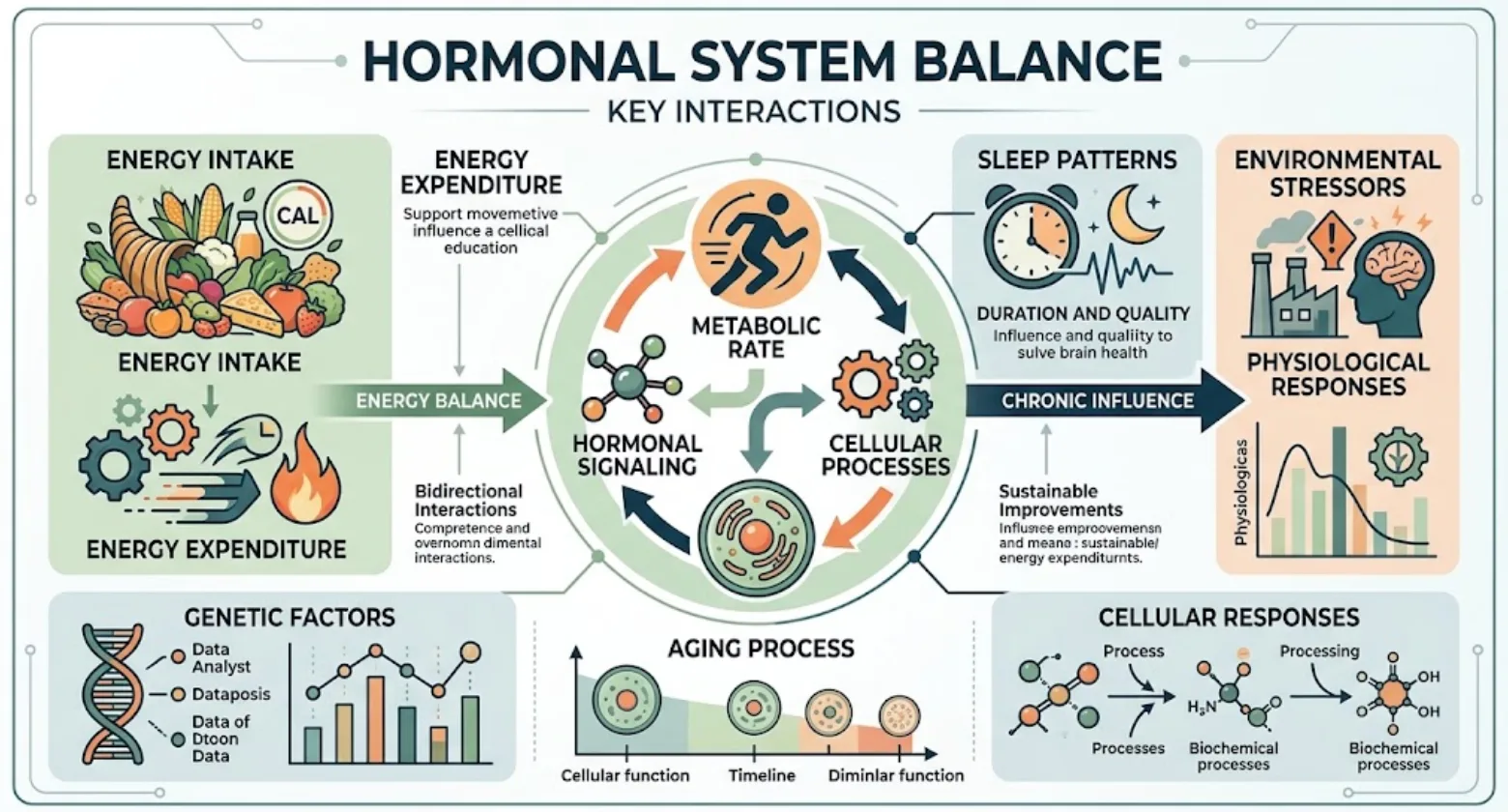
Men’s health is influenced by a complex combination of genetics, nutrition, physical activity, sleep, stress, age, and hormonal balance. Among these factors, testosterone has received considerable attention because it plays an important role in several physiological processes, including the maintenance of muscle mass, bone health, reproductive function, energy regulation, and body composition.
At the same time, body fat—particularly excess abdominal fat—is closely connected with metabolic and hormonal health. This creates an interesting relationship: changes in body composition can influence hormonal function, while hormonal changes can also affect how the body stores and manages fat.
Understanding this relationship can help men take a more informed approach to fitness, weight management, and long-term health.
Understanding Testosterone and Its Role in Men’s Health
Testosterone is a steroid hormone produced primarily in the testes, with smaller amounts originating from the adrenal glands. Production is regulated through a complex communication system involving the hypothalamus and pituitary gland.
Although testosterone is commonly associated with muscle and reproductive health, its influence extends much further. It contributes to the maintenance of bone density, red blood cell production, sexual function, muscle development, and aspects of mood and cognitive function.
Testosterone levels naturally vary between individuals and can change throughout life. Age is one factor, but lifestyle, body composition, sleep, certain illnesses, medications, and other health conditions can also influence hormonal status.
Importantly, a single testosterone measurement does not necessarily provide a complete picture of a man’s health. Hormones fluctuate, laboratory ranges vary, and symptoms must be considered alongside appropriate clinical testing.
Why Body Fat Matters
Body fat is not simply stored energy. Adipose tissue is biologically active and participates in numerous metabolic processes.
Some body fat is essential for normal physiological function. However, excessive levels—especially when concentrated around the abdomen—are associated with a greater risk of metabolic problems and other health complications.
Abdominal fat is particularly relevant because it is metabolically active and is associated with processes involving insulin sensitivity, inflammation, and hormone metabolism.
For men concerned about overall health, improving body composition is therefore about more than appearance. Reducing excessive body fat while maintaining functional muscle mass can contribute to a healthier metabolic profile and support long-term physical performance.
The Relationship Between Testosterone and Body Fat
The relationship between testosterone and body fat works in both directions.
Research has consistently explored associations between obesity and lower testosterone levels in men. Excess adipose tissue can influence the hormonal environment through several mechanisms, including changes in the activity of enzymes involved in steroid hormone metabolism.
At the same time, lower testosterone levels may be associated with changes in body composition, including reduced lean mass and increased fat accumulation.
This creates a potential cycle:
Higher body fat → changes in hormonal regulation → changes in body composition → potentially greater difficulty maintaining a healthy body composition.
However, this relationship should not be interpreted as meaning that testosterone alone determines whether someone gains or loses weight. Body composition is influenced by energy intake, physical activity, genetics, sleep, stress, age, and numerous other factors.
The Importance of Muscle Mass
Muscle plays an important role in men’s metabolic and physical health.
Maintaining adequate muscle mass can support strength, mobility, physical independence, and daily energy expenditure. Resistance training is one of the most effective ways to preserve or develop muscle tissue.
For men attempting to lose weight, protecting lean mass is particularly important. Rapid weight reduction without appropriate nutrition and resistance exercise can result in the loss of both fat and lean tissue.
A more sustainable approach focuses on gradually improving body composition rather than simply chasing a lower number on the scale.
Testosterone, Metabolism and Energy Balance
Weight management ultimately depends on energy balance, but hormones can influence several processes involved in how the body manages energy.
Testosterone interacts with muscle tissue, fat tissue, and metabolic pathways. When hormonal health is compromised, some men may experience changes in body composition, energy, motivation, or physical performance.
Nevertheless, testosterone should not be viewed as a weight-loss hormone or a shortcut to changing body composition.
A calorie-controlled nutritional pattern, regular physical activity, sufficient protein, resistance training, cardiovascular exercise, and adequate sleep remain fundamental components of healthy weight management.
Losing Body Fat Can Support Hormonal Health
One of the most important observations in the relationship between testosterone and body composition is that improving overall health can sometimes support healthier hormone levels.
For men carrying excessive body fat, gradual weight reduction may improve several metabolic markers and can be associated with improvements in testosterone status.
This highlights an important principle: hormonal health should be considered as part of a larger health picture rather than treated as an isolated problem.
Instead of asking only, “How can I increase testosterone?”, a more useful question may be, “What can I do to improve my overall metabolic and hormonal health?”
That shift encourages sustainable habits rather than relying on a single intervention.
Enclomiphene Citrate and Hormonal Research
Enclomiphene Citrate has also attracted attention in discussions surrounding male hormonal research. It is a selective estrogen receptor modulator that has been investigated for its potential effects on the hormonal signaling pathways involved in testosterone production.
Unlike testosterone replacement, which introduces testosterone from an external source, research involving enclomiphene has focused on stimulating the body’s own hormonal signaling system. This distinction is important when discussing the scientific landscape surrounding male endocrine health.
However, research findings should not automatically be interpreted as a recommendation for personal use. Hormonal treatments and investigational compounds can have potential risks, interactions, and limitations, making professional medical assessment important when a hormonal disorder is suspected.
Age and Changes in Body Composition
Men’s body composition often changes with age.
Muscle mass can gradually decline, physical activity may decrease, and changes in nutrition, sleep, and lifestyle can contribute to increased body fat.
Hormonal changes can also occur over time. Testosterone production tends to decline gradually in many men as they age, although the extent and significance vary considerably between individuals.
This is why fitness strategies that worked at 20 may not produce the same results at 40 or 50.
Older men may benefit from placing greater emphasis on resistance training, adequate protein intake, cardiovascular fitness, mobility, sleep quality, and recovery.
The objective should not necessarily be to recreate the physique of an earlier decade but to maintain strength, mobility, metabolic health, and quality of life.
Sleep and Testosterone
Sleep is one of the most underestimated factors in hormonal health.
The body performs numerous regulatory processes during sleep, and inadequate or disrupted sleep can negatively affect several aspects of physical and mental health.
Men who consistently sleep poorly may experience changes in energy, concentration, mood, appetite regulation, and exercise recovery.
Developing a consistent sleep schedule, creating a comfortable sleeping environment, limiting excessive evening stimulation, and addressing persistent sleep problems can therefore be valuable components of a broader men’s health strategy.
Sleep should not be considered optional recovery time. It is a fundamental part of maintaining physiological balance.
Stress and Hormonal Health
Chronic psychological stress can also influence health and behavior.
When stress remains elevated for extended periods, men may experience changes in sleep, appetite, activity levels, recovery, and motivation. These indirect effects can make maintaining a healthy body composition more difficult.
Stress management does not require eliminating every stressful situation. Instead, it involves developing practical ways to manage pressure.
Regular exercise, sufficient sleep, social connection, time outdoors, relaxation practices, and realistic workloads can all contribute to better overall well-being.
Nutrition for Healthy Body Composition
Nutrition is another major component of the testosterone-body-fat relationship.
A healthy diet should provide sufficient protein, fiber, carbohydrates, healthy fats, vitamins, and minerals while keeping overall energy intake appropriate for an individual’s goals.
Protein is particularly relevant for men focused on maintaining muscle during weight loss. Sources such as eggs, fish, lean meats, dairy products, legumes, and other protein-rich foods can contribute to daily protein requirements.
Healthy fats should also have a place in a balanced diet. Foods such as nuts, seeds, olive oil, avocado, and oily fish provide important nutrients.
At the same time, highly processed foods and excessive calorie intake can make weight management more difficult.
The goal is not extreme restriction. A sustainable nutritional pattern is generally easier to maintain over months and years.
Resistance Training and Fat Loss
Strength training is one of the most valuable forms of exercise for men who want to improve body composition.
Exercises such as squats, presses, rows, hinges, and other resistance movements challenge the muscles and provide a stimulus for maintaining or developing lean tissue.
Cardiovascular exercise also has an important role. Walking, cycling, swimming, running, and other aerobic activities can increase energy expenditure and support cardiovascular fitness.
Combining resistance training with regular movement creates a more complete fitness strategy than relying exclusively on either strength or cardio.
Enclomiphene Citrate in the Broader Conversation
The growing interest in compounds such as Enclomiphene Citrate reflects the wider scientific discussion around male hormonal function and the mechanisms regulating testosterone production.
However, hormonal research is complex, and improving testosterone numbers alone does not necessarily mean improving overall health. Testosterone status needs to be interpreted alongside symptoms, medical history, laboratory testing, reproductive goals, and other relevant health markers.
This is especially important because fatigue, changes in body composition, reduced exercise performance, and other nonspecific symptoms can have many possible causes.
Anyone concerned about low testosterone or unusual hormonal symptoms should discuss appropriate testing and evaluation with a qualified healthcare professional rather than attempting to diagnose the problem independently.
The Bigger Picture of Men’s Health
Testosterone is only one component of a much larger health system.
A man can have testosterone levels within a laboratory reference range and still have poor cardiovascular fitness, inadequate sleep, excessive body fat, poor nutrition, or low physical activity.
Conversely, improving lifestyle habits can produce meaningful health benefits even when hormonal levels are not the primary concern.
This broader perspective is particularly useful when approaching weight loss. Instead of focusing exclusively on the scale or testosterone measurements, men can track multiple indicators of progress.
These might include waist circumference, strength, cardiovascular fitness, sleep quality, energy levels, dietary consistency, and overall physical function.
Building Sustainable Progress
Improving body composition and supporting hormonal health is rarely an overnight process.
Extreme diets may produce rapid changes on the scale, but sustainable results generally require habits that can be maintained over time.
A practical strategy might include regular resistance training, daily movement, a nutrient-dense diet, adequate protein, consistent sleep, stress management, and appropriate recovery.
Progress can then be evaluated over weeks and months rather than day by day.
Genetics and individual circumstances also matter. Two men following similar routines may experience different outcomes because their starting points, lifestyles, genetics, and health conditions are different.
Consistency therefore matters more than perfection.
Final Thoughts
The connection between testosterone, body fat, and men’s health is complex and multidirectional. Hormonal function can influence body composition, while excessive body fat and poor metabolic health can also be associated with changes in testosterone status.
Rather than viewing testosterone as a single solution for weight management, men should consider the complete picture: nutrition, resistance training, cardiovascular fitness, sleep, stress, body composition, age, and overall metabolic health.
Emerging hormonal research, including research involving Enclomiphene Citrate, may continue to improve scientific understanding of testosterone regulation. However, responsible health decisions require evidence-based evaluation and appropriate professional guidance.
Ultimately, the strongest foundation for men’s health remains remarkably consistent: move regularly, eat well, maintain healthy body composition, prioritize sleep, manage stress, preserve muscle, and take a long-term approach to physical well-being.
A healthier body is not created by one hormone, one workout, or one diet. It is built through hundreds of small decisions repeated consistently over time.