How to Choose the Right Water Chiller in Malaysia?
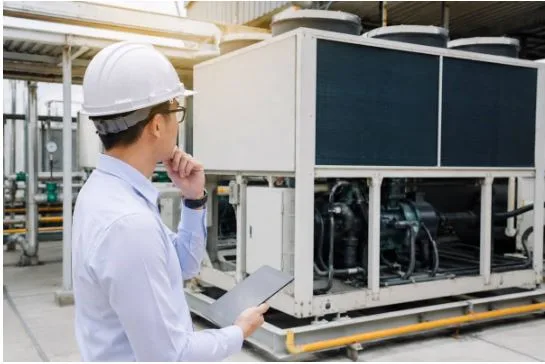
Choosing the right water chiller is an important decision for businesses that depend on reliable cooling. In Malaysia, where temperatures and humidity can remain high throughout the year, an efficient chiller can help maintain stable operating conditions, protect equipment, and control energy costs. However, selecting a Water Chiller Malaysia requires more than simply comparing cooling capacities or purchase prices.
Different industries have different cooling requirements. Manufacturing plants, commercial buildings, food-processing facilities, data centres, and other operations may need different chiller configurations. Understanding your cooling load, operating environment, efficiency requirements, and maintenance needs can help you make a more informed choice.
Understand Your Cooling Needs
The first step is to determine how much cooling your facility actually requires. A chiller that is too small may struggle to maintain the required temperature, while an oversized unit can consume unnecessary energy and increase initial costs. When selecting a Water Chiller Malaysia, businesses should carefully evaluate their actual cooling requirements instead of relying on assumptions.
Consider factors such as the size of the facility, heat generated by machinery, operating hours, required water temperature, and the number of processes that need cooling. Seasonal conditions should also be considered because Malaysia’s warm climate can affect cooling performance.
A professional cooling assessment can provide a more accurate estimate of the required capacity. Instead of choosing a system based only on assumptions, calculate the actual cooling load and allow suitable capacity for changing operating conditions.
Choose the Right Chiller Type
Water chillers are available in different designs, and each type has advantages depending on the application. The two common categories are air-cooled and water-cooled chillers.
1. Air-Cooled Chillers
Air-cooled systems reject heat directly into the surrounding air. They are generally easier to install because they do not require a cooling tower or condenser-water system.
They can be a practical option for facilities where installation space, simplicity, and easier maintenance are priorities. However, their performance can be influenced by high outdoor temperatures, which is an important consideration in Malaysia.
2. Water-Cooled Chillers
Water-cooled systems transfer heat through condenser water and normally operate with a cooling tower. They can provide efficient performance for larger installations and facilities with substantial cooling requirements.
Although they may offer good energy efficiency, they usually require more components, regular water treatment, and greater maintenance. The additional infrastructure should therefore be considered when calculating the overall cost.
Check Energy Efficiency
Energy consumption is one of the most important factors when selecting a chiller. A system that costs less initially may become more expensive over its operating life if it uses excessive electricity.
Look for equipment designed to provide efficient performance under the conditions in which it will actually operate. Efficiency should be assessed at different load levels rather than only at maximum capacity.
Features such as variable-speed compressors, efficient heat exchangers, and intelligent control systems can help reduce energy consumption. It is also useful to consider how frequently the equipment will operate at partial load, since many facilities do not require maximum cooling capacity throughout the entire day.
Consider Malaysia’s Climate
Malaysia’s tropical climate creates specific challenges for cooling equipment. High ambient temperatures can influence condenser performance, especially for air-cooled systems. When selecting a Water Chiller Malaysia, it is important to ensure that the equipment is designed to operate reliably under local climatic conditions.
When choosing a chiller, check the manufacturer’s rated operating conditions and make sure the selected model is suitable for local temperatures. The installation environment also matters. Poor ventilation around an air-cooled chiller can reduce its ability to reject heat and may increase energy consumption.
For outdoor installations, adequate clearance and airflow should be maintained. Indoor installations require appropriate ventilation and heat management to prevent the surrounding area from becoming excessively warm.
Match the Chiller to the Application
The correct chiller depends heavily on what you are cooling. Industrial processes may require precise temperature control, while commercial buildings may focus more on comfort cooling.
For example, manufacturing equipment can generate significant and continuous heat. Food and beverage operations may require stable temperatures to support production processes. Data centres need dependable cooling because even short periods of excessive heat can affect sensitive equipment.
Before purchasing, identify the required:
- Cooling capacity
- Water supply and return temperatures
- Operating hours
- Temperature stability
- Flow rate
- Space and installation limitations
These details can help suppliers recommend equipment that is better suited to the actual application.
Evaluate Installation Space
Physical space is another factor that should not be overlooked. A chiller needs sufficient room for installation, airflow, servicing, and future repairs.
Measure the available area before selecting a model. Check the dimensions of the chiller as well as the space required for piping, electrical connections, ventilation, and maintenance access.
For water-cooled systems, additional space may be needed for cooling towers, pumps, piping, and water-treatment equipment. Planning these requirements early can prevent expensive modifications later.
Think About Maintenance
A chiller is a long-term investment, so maintenance requirements should be considered before purchasing. Regular servicing can help maintain efficiency, reduce unexpected breakdowns, and extend equipment life. For businesses investing in a Water Chiller Malaysia, understanding ongoing maintenance requirements can help prevent avoidable operating problems.
Different systems require different maintenance procedures. Air-cooled chillers may need condenser coil cleaning and refrigerant-system checks. Water-cooled systems require additional attention to condenser tubes, cooling towers, pumps, and water quality.
Ask potential suppliers about maintenance schedules, replacement parts, service availability, and technical support. A system that is easy to maintain locally can provide significant advantages over one that is difficult to service.
Compare Total Cost
The purchase price should not be the only factor in your decision. A chiller’s total cost includes installation, electricity consumption, maintenance, spare parts, water treatment where applicable, and potential downtime.
A slightly more expensive high-efficiency unit may provide better long-term value if it significantly reduces operating costs. Conversely, an advanced system may not be economical for a small application if its additional features are unnecessary.
When comparing models, consider the expected operating life and estimate the total cost of ownership rather than focusing exclusively on the initial investment.
Check Reliability and Controls
Modern chillers can include automated controls and monitoring features that make operation easier. These systems can monitor temperatures, pressures, alarms, and other operating parameters.
Reliable controls can help operators identify unusual conditions before they develop into major problems. Some systems can also adjust cooling output according to demand, helping reduce energy consumption during periods of lower load.
When evaluating a chiller, ask about control capabilities and whether the system can integrate with existing building or industrial management systems.
Avoid Common Mistakes
Several mistakes can lead to higher costs or poor cooling performance. One common problem is selecting a chiller based only on the lowest purchase price. Businesses searching for a Water Chiller Malaysia should also consider efficiency, capacity, installation conditions, and long-term service requirements.
Other mistakes include:
- Choosing the wrong cooling capacity
- Ignoring Malaysia’s operating conditions
- Failing to consider energy consumption
- Leaving insufficient maintenance space
- Overlooking water quality requirements
- Neglecting after-sales support
Taking time to assess these factors can reduce the risk of selecting equipment that does not meet your operational requirements.
What Makes T-Technic Different?
T-Technic Engineering Sdn. Bhd. provides practical cooling solutions based on each customer’s specific requirements. The company considers factors such as cooling capacity, operating conditions, efficiency, and installation needs to recommend suitable equipment for different applications.
With professional engineering support, T-Technic helps customers throughout equipment selection, installation, and maintenance. Its focus on reliable solutions and customer requirements makes it a suitable choice for businesses seeking dependable cooling systems.
Make a Long-Term Choice
Choosing the right water chiller in Malaysia requires a balance between performance, efficiency, reliability, installation requirements, and cost. A carefully selected Water Chiller Malaysia solution can provide dependable cooling while supporting efficient and consistent operations over time.
Energy efficiency should remain a major consideration because electricity costs can represent a substantial portion of a chiller’s lifetime expenses. At the same time, maintenance requirements and local technical support should not be overlooked.
The best chiller is not necessarily the largest or cheapest model. It is the system that provides the required cooling performance reliably and efficiently while fitting your facility, operating conditions, and long-term budget. By evaluating these factors carefully and working with a knowledgeable supplier, businesses in Malaysia can make a confident investment in dependable cooling.