Why Regular Dental Exams Matter Even When Your Teeth Feel Fine
Many people think about visiting the dentist only when something hurts. A toothache, broken filling, swollen gum, or sudden sensitivity can quickly make a dental appointment feel urgent. However, some of the most important reasons to see a dentist regularly have nothing to do with pain.
Dental problems often begin quietly. Early tooth decay, gum inflammation, worn restorations, bite changes, and other oral health concerns may develop before noticeable symptoms appear. Routine dental exams give dentists an opportunity to identify these changes earlier, monitor existing dental work, and help patients make informed decisions about their oral health.
For people and families looking for a dentist in Aurora, regular preventive visits can form an important part of maintaining healthy teeth and gums over the long term.
Dental Problems Do Not Always Cause Early Symptoms
Pain is useful because it tells us something may be wrong, but it is not always the first sign of a dental problem.
A cavity, for example, can develop within the outer layers of a tooth without producing significant discomfort. Gum disease can also progress gradually, especially when early symptoms such as mild bleeding or tenderness are ignored. Existing fillings, crowns, or other restorations may begin showing wear before a patient notices a difference.
This is one reason routine dental examinations are valuable. Instead of waiting for symptoms to become disruptive, a dentist can evaluate changes that may be difficult to detect at home.
Early attention does not guarantee that extensive treatment will always be avoided, but identifying a concern sooner often gives patients more options.
What Happens During a Dental Exam?
A dental exam involves considerably more than looking for cavities.
Depending on the patient’s age, dental history, symptoms, and individual risk factors, an examination may include an assessment of the teeth, gums, existing restorations, bite, jaw, and soft tissues of the mouth.
The dentist may look for signs of:
- Tooth decay
- Gum inflammation or periodontal disease
- Cracked, chipped, or worn teeth
- Problems with fillings, crowns, or other restorations
- Changes in the bite or jaw
- Unusual changes to oral tissues
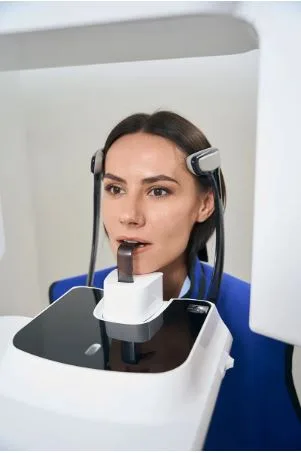
Diagnostic X-rays may also be recommended when clinically appropriate. These images can help dentists evaluate areas that cannot be seen clearly during a visual examination, including spaces between teeth, tooth roots, and surrounding bone.
Patients interested in what may be assessed during dental exams in Aurora can also learn why examinations are an important part of preventive dental care rather than simply a response to tooth pain.
Regular Exams Can Help Identify Tooth Decay Earlier
Tooth decay occurs when acids produced by bacteria contribute to the breakdown of tooth structure. Diet, oral hygiene habits, saliva, fluoride exposure, and individual susceptibility can all influence cavity risk.
A person may have early decay without realizing it.
During a routine examination, a dentist can check surfaces of the teeth for signs of demineralization or decay. When necessary, dental X-rays may help reveal cavities in locations that are difficult to inspect directly, particularly between teeth.
Finding decay earlier can make treatment planning simpler in many cases. It also gives the patient an opportunity to discuss habits that may be contributing to repeated cavities.
Gum Health Deserves Just as Much Attention
Healthy teeth depend on healthy supporting tissues.
Gingivitis, the early stage of gum disease, may cause redness, swelling, or bleeding during brushing and flossing. Because these symptoms may initially be mild, some people accept them as normal.
Persistent gum bleeding, however, should not simply be ignored.
A dental professional can assess the gums for inflammation and other signs of periodontal problems. In some situations, measurements around the teeth may be taken to evaluate the spaces between the teeth and gums.
Regular monitoring is especially important because more advanced periodontal disease can affect the bone and tissues supporting the teeth.
Good brushing and interdental cleaning remain essential at home, but professional evaluation provides information that a toothbrush alone cannot. Routine dental cleanings in Aurora can also support preventive care by helping remove plaque and tartar from areas that may be difficult to clean effectively at home.
Existing Dental Work Also Needs Monitoring
Having a filling, crown, bridge, implant, or other restoration does not mean that the tooth or surrounding area should no longer be checked.
Restorations experience years of pressure from chewing, grinding, temperature changes, and everyday use. Over time, a dentist may need to monitor them for wear, damage, changes around their margins, or problems with the surrounding tooth structure and gums.
Patients who grind or clench their teeth may require particular attention because excessive forces can contribute to tooth wear, cracks, or damage to restorations.
Regular dental visits allow these changes to be tracked over time rather than discovered only after something breaks.
Oral Health Changes Throughout Life
Dental needs are not the same at every age.
Children may need monitoring as their primary teeth fall out and permanent teeth emerge. Teenagers may experience changes related to orthodontics, wisdom teeth, diet, or sports. Adults may develop restorations or gum-related concerns over time, while older adults may face additional challenges involving dry mouth, medications, tooth wear, missing teeth, or existing dental work.
Pregnancy, certain medications, medical conditions, lifestyle habits, and changes in oral hygiene can also influence oral health.
This is why dental care is usually most useful when it is individualized. The appropriate examination schedule for one person may not necessarily be the same for someone with a different dental history or level of risk.
Dental Visits Are Also an Opportunity to Ask Questions
An examination should not be a one-way process.
Patients can use routine visits to discuss concerns that may otherwise be easy to postpone, including:
- Tooth sensitivity
- Bleeding gums
- Persistent bad breath
- Teeth grinding or jaw discomfort
- Changes in tooth colour
- Difficulty flossing certain areas
- Concerns about previous dental work
- Cosmetic changes they may be considering
Even a small symptom can provide useful information when combined with a clinical examination.
Dentists can also offer guidance on brushing technique, interdental cleaning, fluoride products, dietary habits, or other preventive measures based on what they observe.
Do You Need a Dental Exam if Nothing Hurts?
In many cases, yes.
The absence of pain does not necessarily mean that every tooth and supporting structure is healthy. Preventive dentistry is based partly on identifying problems before they become obvious enough to interfere with eating, sleeping, or daily life.
How often someone should receive an examination depends on individual circumstances. A dentist may recommend a schedule based on cavity risk, gum health, previous treatment, age, oral hygiene, and medical history.
Someone with a history of frequent dental problems may need closer monitoring than a person whose oral health has remained stable for years.
The important point is that dental visits should be based on individual risk rather than waiting for discomfort to appear.
Everyday Habits Still Make the Biggest Difference
Dental appointments are only one part of maintaining oral health.
What happens between visits matters greatly. Brushing thoroughly with fluoride toothpaste, cleaning between the teeth, limiting frequent exposure to sugary foods and drinks, avoiding tobacco products, and paying attention to unusual changes can all help protect the teeth and gums.
Regular dental care works alongside these habits.
A professional dentist can identify areas that require attention, but maintaining oral health ultimately depends on consistent daily care and appropriate professional follow-up.
A Preventive Approach to Long-Term Oral Health
Dental care does not have to begin with an emergency.
Regular examinations provide an opportunity to understand what is happening with your teeth and gums, identify changes that may require attention, and discuss practical ways to reduce future oral health problems.
For residents of Aurora and surrounding communities, maintaining an ongoing relationship with a local dental provider can also make it easier to keep records consistent and monitor changes from one appointment to the next.
Whether your teeth feel perfectly normal or you have a specific concern, preventive dental care can help you make informed decisions before small issues have the opportunity to become larger ones.
The goal is not simply to treat dental problems when they occur. It is to maintain healthy teeth, healthy gums, comfortable function, and greater awareness of your oral health throughout every stage of life.