Why Do Truck Accident Claims Pay More Than Car Accidents?
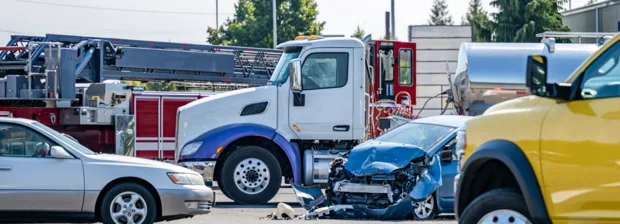
Truck accident settlements often dwarf typical car accident settlements for several important clear reasons. A loaded commercial truck can weigh twenty times more than a normal passenger car. That massive size difference often produces catastrophic injuries requiring extensive long term medical care. Few firms build these cases like the Law office of D. Miller & Associates. Their team calculates every possible category of loss before any settlement talks even begin. Understanding these settlement factors helps injured victims truly pursue the full compensation they deserve.
Multiple Liable Parties Involved
Car accidents usually involve just two drivers sharing fairly straightforward and limited legal responsibility. Truck crashes frequently involve several different companies and individuals who each share some blame. Investigators must often identify multiple liable parties trucking companies try to keep hidden. Loading companies, maintenance contractors, and parts makers frequently share some direct legal responsibility too. Each additional defendant often brings separate insurance coverage into the entire settlement negotiation process. More available coverage naturally allows for much larger total settlement payouts in the end.
Higher Insurance Policy Limits
Federal law always requires trucking companies to carry much higher minimum insurance coverage amounts. A typical car policy might offer only a small fraction of that available protection. Commercial trucking policies often reach quite well into the millions rather than mere thousands. These higher limits allow injured people to recover compensation that accurately reflects what a lifelong injury costs them. Without adequate coverage many badly injured victims would ultimately receive far less in return. Policy limits alone can dramatically shape exactly how much a final settlement ultimately becomes.
Catastrophic And Long Term Injuries
Truck collisions frequently cause severe traumatic brain injuries, spinal damage, and permanent physical disability. These severe injuries often require years of extensive surgery, therapy, and ongoing medical care. Lifetime care costs alone can reach well into many millions of dollars total. Lost future earnings also factor heavily into any serious truck accident claim value. Car accident injuries, while still serious, rarely reach this same devastating level of harm. When injuries are severe, insurers typically pay far more to settle truck accident claims.
Greater Property And Cargo Damage
A fully loaded commercial truck often carries cargo worth a substantial amount of money. Cleaning up spilled cargo and wrecked vehicles after a crash can quickly become expensive. Cleanup crews, towing services, and highway repairs also increase the overall claim value. A typical car crash rarely produces this same wide range of financial expenses. Every damaged item becomes part of the larger overall truck accident claim total. These added expenses push final settlement totals well beyond typical car accident numbers.
Complex Investigations Increase Settlement Value
Truck accident cases often require detailed investigation into logs, maintenance records, and equipment. This deeper investigation frequently uncovers additional negligence that further increases overall settlement value. Simple car crashes rarely receive anywhere near this same level of legal scrutiny. Expert witnesses, accident reconstructionists, and safety analysts often support these detailed truck claims. Their combined findings frequently reveal several overlooked and previously unknown sources of liability. When doctors uncover a new injury, the claim’s total value can climb significantly.
Truck accident claims simply carry more weight than most typical car accident cases. When several parties, more coverage, and greater damage are involved, claims often settle for much higher amounts. Every serious truck wreck deserves a careful look at every possible legal angle. When people understand why these cases differ, they know what fair compensation actually looks like. This awareness often separates a fair settlement from one that shortchanges them. Real answers usually come from asking the right questions at the right time.