How to Choose a Caravan Layout That Works Beyond the Showroom
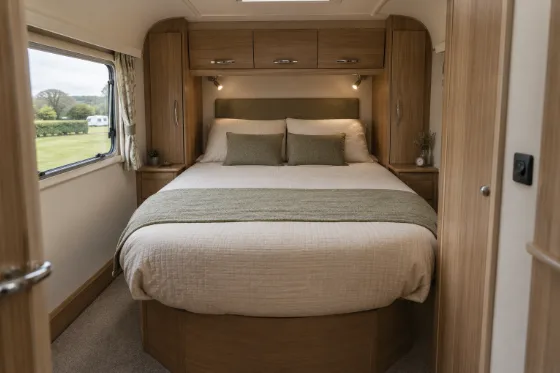
A caravan can look spacious when the table is packed away, the beds are shortened and nobody has brought their luggage. The more revealing test is to imagine a wet evening inside: someone cooking, someone wanting an early night and everyone needing somewhere to put their shoes. That is when the layout starts to matter.
When comparing caravans for sale, narrow your shortlist by how you will use the space. Berth count tells you how many sleeping places are available, but it leaves plenty unanswered about privacy, comfort and the jobs you will repeat each day. A few deliberate checks during a viewing can make those differences much clearer.
Plan around your usual travelling party
Write down who will join most trips, how long you expect to stay away and whether everyone keeps similar hours. A couple taking frequent weekends away has a different set of priorities from a family spending two weeks on one campsite.
Separate regular needs from occasional ones. If grandchildren might visit once a year, decide how much everyday living space you are happy to allocate to their sleeping arrangements. If children will come on every trip, give their bedtime routine as much attention as the main bed.
Bring the people who will use the caravan to the viewing where possible. One person standing in the aisle cannot tell you how the space feels when everyone is inside.
Test the beds in their sleeping position
Fixed beds remove the nightly task of converting seats, while beds made from the lounge allow that area to serve two purposes. Neither arrangement suits everyone. The useful question is which compromise you would still be comfortable with after several nights away.
Ask for every bed you intend to use to be set up fully. Check its actual length and width, including any tapered corners, and try getting in and out
Then follow the whole routine yourself. Where does the table go? Which cushions move? Where will the duvet and pillows live during the day? If you need a mattress topper, include that in your storage plan. A bed that takes a little effort to assemble may be perfectly acceptable; having nowhere convenient to put the bedding can be more irritating.
Walk through bedtime and breakfast
With the beds extended and privacy screens closed, walk from each sleeping area to the toilet and entrance. Check whether anyone has to pass through another person’s sleeping space. Some central washrooms offer access from both ends; an end washroom may involve walking through the bedroom, depending on the design.
Now imagine the first person getting up. Can they reach clothes, make a drink and sit down without dismantling somebody else’s bed? For families with early risers, this may matter more than the size of the main bedroom.
At breakfast, put the dining table in position and have everyone sit around it. Ask one person to get up and reach the fridge. You are checking whether ordinary movements will require a chain of other people moving first.
Try the kitchen with its covers open
A covered sink and hob can make a kitchen appear to have more worktop than it offers during cooking. Lift the covers and identify where you would prepare food and put plates ready for serving. Open the fridge, oven and main cupboards to check how they affect access.
For a useful test, talk through making a meal you actually cook on holiday. Where would the ingredients go? Could somebody fetch a drink while you prepared it? Is the fold-out worktop easy to use with the table already up?
Do the same in the washroom. Stand inside with the door closed and check room to turn, dress and use the shower. Give the space a weighting that reflects how often you expect to use campsite facilities.
Give everyday belongings a home
Make a short packing list before the viewing: coats, footwear, laundry, bedding, food, outdoor chairs and anything particular to your household. If you travel with a dog, include its bed and bowls.
Assign each item a plausible home. Look at the size of cupboard openings and whether frequently used storage remains accessible when the bed is made. Check that a dog bed or pile of shoes would not obstruct the aisle or doorway.
Treat an awning as optional extra living space during this exercise. You may decide not to put it up for a brief stop, so the caravan should still work for a night on its own.
Check the weight allowance behind the storage
Large lockers do not necessarily mean you can carry more equipment. Payload is the weight allowance available beyond the caravan’s stated Mass in Running Order, up to its Maximum Technically Permissible Laden Mass, or MTPLM. Accessories can use part of that allowance before you pack any luggage.
The Club’s guidance on matching a car and caravan explains why additions such as a motor mover and leisure battery must be accounted for. Check what the figures for the particular caravan include, and confirm its suitability for your exact tow car, including towing, loading and noseweight limits.
Before leaving, note three things that worked well and any compromises you noticed. Compare those notes across your shortlist while the details are fresh. The layout worth returning to is the one that makes your normal holiday routines straightforward.