The Convergence of Medical Imaging and Biomarker Diagnostics in Next-Generation Healthcare
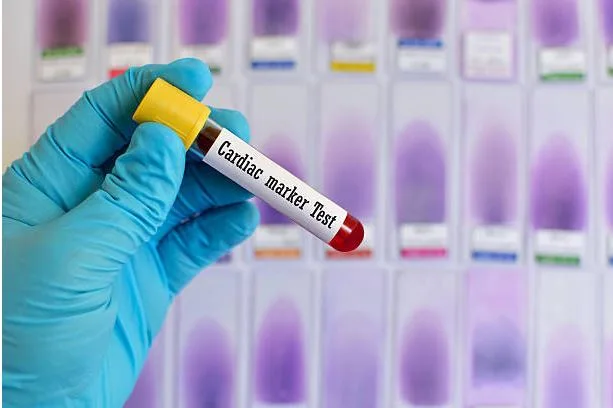
Healthcare is entering a new era where precision diagnosis depends on combining advanced imaging with rapid laboratory testing. Hospitals increasingly integrate a 4K endoscope camera system with a cardiac marker test kit to improve diagnostic accuracy, accelerate clinical decisions, and enhance patient outcomes. Market growth, technological innovation, and the demand for minimally invasive medicine continue driving this transformation.
In this article, we will explore the latest market trends, industry statistics, and how companies like Dajing Medical and Neo Nostics Bioengineering support next-generation healthcare solutions.
Why Is the Integration of Medical Imaging and Biomarker Diagnostics Becoming a Global Trend?
Healthcare providers are shifting from isolated diagnostic methods toward integrated clinical workflows that combine imaging technologies with laboratory diagnostics. A 4K endoscope camera system enables physicians to visualize internal anatomy with exceptional clarity during minimally invasive procedures, while a cardiac marker test kit provides rapid biochemical evidence of cardiac injury. Together, these technologies allow clinicians to make faster and more informed treatment decisions, particularly in emergency medicine and specialized care.
Several market forces are accelerating this convergence. According to the World Health Organization (WHO), cardiovascular diseases remain the leading cause of death worldwide, accounting for approximately 17.9 million deaths each year. At the same time, aging populations, increasing rates of chronic diseases, and expanding access to minimally invasive procedures continue driving demand for advanced diagnostic technologies. These healthcare challenges encourage hospitals to invest in integrated diagnostic platforms that improve efficiency and patient outcomes.
The global medical imaging market and the in vitro diagnostics (IVD) market are both experiencing sustained expansion. Industry analysts project the global medical imaging market to surpass $60 billion within the coming years, while the global IVD market is expected to exceed $140 billion before the end of the decade. Growth is supported by continuous technological innovation, increased healthcare spending, preventive medicine initiatives, and broader adoption of precision diagnostics across developed and emerging healthcare systems.
How Does a 4K Endoscope Camera System Improve Diagnostic Accuracy?
Modern minimally invasive surgery depends heavily on imaging quality. A 4K endoscope camera system delivers ultra-high-definition visualization that enables surgeons to identify fine anatomical structures, vascular networks, and tissue boundaries with greater precision than conventional imaging systems. Enhanced image clarity improves surgical confidence while supporting accurate diagnosis and safer therapeutic interventions across multiple medical specialties.
Dajing Medical develops advanced 4K endoscope camera system solutions designed to meet the growing demands of modern operating rooms and diagnostic centers. By combining high-resolution imaging, reliable optical performance, and user-friendly operation, the company’s systems support surgeons performing gastrointestinal, urological, gynecological, orthopedic, laparoscopic, and other minimally invasive procedures. Improved visualization contributes to greater procedural efficiency while helping clinicians deliver higher standards of patient care.
The adoption of 4K imaging continues accelerating because hospitals increasingly prioritize minimally invasive procedures that reduce patient recovery times and hospitalization costs. Research indicates that minimally invasive surgeries generally result in smaller incisions, reduced postoperative pain, shorter hospital stays, and lower complication rates compared with many traditional surgical approaches. As healthcare providers seek both clinical and economic benefits, high-definition imaging technologies remain an important investment for modern medical facilities.
Why Is the Cardiac Marker Test Kit Becoming Increasingly Important in Modern Diagnostics?
Cardiovascular emergencies require rapid diagnosis because treatment delays can significantly affect patient outcomes. A cardiac marker test kit measures specific biomarkers released into the bloodstream following cardiac muscle injury, helping clinicians identify conditions such as acute myocardial infarction and other cardiac disorders quickly. Fast biochemical testing complements clinical evaluation by providing objective evidence that supports timely medical intervention.
Neo Nostics (Suzhou) Bioengineering Co., Ltd specializes in the research, development, manufacturing, and distribution of advanced medical devices and in vitro diagnostic products. Its portfolio includes solutions for tropical infectious diseases, infectious disease testing, drug abuse screening, reproductive hormone analysis, animal disease testing, and the cardiac marker test kit market.
The global demand for rapid diagnostic testing continues rising due to increasing chronic disease prevalence, expanding emergency care services, and growing adoption of point-of-care testing. Modern cardiac marker test kit technologies provide healthcare professionals with faster diagnostic information, allowing earlier treatment decisions in emergency departments, ambulances, intensive care units, and outpatient facilities. This trend aligns with healthcare systems seeking improved efficiency while reducing unnecessary hospital admissions and diagnostic delays.
How Are Dajing Medical and Neo Nostics Bioengineering Supporting the Future of Precision Healthcare?
The future of healthcare increasingly depends on integrating imaging systems, laboratory diagnostics, artificial intelligence, and digital health platforms into unified clinical workflows. Hospitals are adopting connected diagnostic ecosystems where imaging results and laboratory findings complement one another, enabling physicians to establish more accurate diagnoses while improving treatment planning and patient monitoring. This multidisciplinary approach represents a cornerstone of precision medicine.
Dajing Medical continues advancing medical imaging through innovative 4K endoscope camera system technologies that enhance visualization and support minimally invasive procedures across numerous clinical specialties. By emphasizing image quality, system reliability, and continuous technological development, the company helps healthcare providers improve procedural accuracy while meeting the evolving demands of modern surgical practice.
Meanwhile, Neo Nostics Bioengineering strengthens diagnostic capabilities through continuous innovation in in vitro diagnostic technologies, including the cardiac marker test kit. Its commitment to research, product quality, and user-friendly diagnostic solutions supports healthcare providers worldwide in delivering reliable laboratory results across multiple clinical applications.
Together, Dajing Medical and Neo Nostics Bioengineering demonstrate how integrating advanced imaging with biomarker diagnostics enables faster diagnoses, more personalized treatments, improved clinical efficiency, and better patient outcomes.
Conclusion:
The convergence of medical imaging and biomarker diagnostics is redefining modern healthcare by enabling faster, more accurate, and more personalized clinical decision-making. A 4K endoscope camera system provides exceptional visualization for minimally invasive procedures, while a cardiac marker test kit delivers rapid biochemical insights during critical cardiac assessments.
Through the innovations of Dajing Medical and Neo Nostics Bioengineering, healthcare providers can strengthen diagnostic accuracy, improve operational efficiency, and meet the growing global demand for advanced precision medicine.