From Prototyping to Production: The Evolution of CNC Machining and Die-Cutting
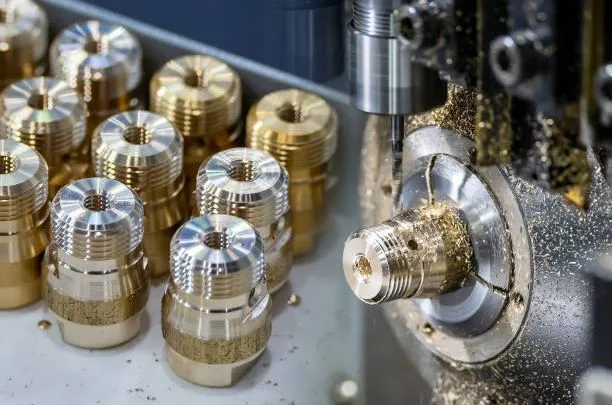
Modern manufacturing increasingly depends on faster prototyping, precise components, and efficient production methods. CNC machining services help engineers turn digital designs into functional prototypes and production parts. Meanwhile, a die-cutting machine enables manufacturers to produce consistent shapes from materials such as paper, film, foam, rubber, and other sheet materials. Together, these technologies support different stages of product development.
In this article, we will explore their evolution, current trends, and how New Alps Industrial Prototype and Caida Machinery support manufacturing needs.
How Have CNC Machining Services Changed Modern Prototyping?
CNC machining services have transformed prototyping by allowing engineers to produce physical components directly from digital designs. Computer-controlled machines can cut, drill, mill, and shape materials according to programmed specifications. This creates a direct connection between computer-aided design and physical product development.
Traditional prototype production could require extensive manual fabrication and multiple specialized processes. CNC machining can reduce these challenges by automating many cutting and shaping operations. Engineers can therefore produce functional prototypes with dimensions and material characteristics closer to intended production parts.
Material flexibility is another advantage. CNC machines can process aluminum, steel, brass, engineering plastics, and other materials. This allows designers to evaluate how a prototype performs under realistic conditions before committing to larger-scale manufacturing.
Modern CNC machining services are therefore useful across automotive, electronics, medical equipment, industrial machinery, aerospace, and consumer product development. Their ability to combine precision, flexibility, and repeatability makes them an important part of contemporary prototyping workflows.
What Trends Are Shaping the Future of CNC Machining Services?
The CNC machining industry is increasingly influenced by automation, multi-axis equipment, digital manufacturing, and demand for customized components. Multi-axis machining allows manufacturers to produce complex geometries with fewer setups, improving both efficiency and dimensional consistency.
Automation is also becoming more significant. Robotic material handling, automatic tool changing, and digital production monitoring can reduce repetitive manual operations. These technologies can help machining facilities maintain consistent production while increasing throughput.
The demand for rapid manufacturing is another important trend. Businesses often need prototypes or small production batches before making larger investments. CNC machining services can accommodate these requirements without requiring dedicated high-volume tooling. Digital integration is further improving manufacturing workflows. CAD and CAM software can connect product designs with machining operations, helping manufacturers translate engineering specifications into machine instructions more efficiently.
New materials are also influencing CNC processes. Lightweight alloys, engineering plastics, and specialized metals are increasingly used across advanced applications. Machining providers therefore need suitable cutting tools, equipment, and process knowledge. These developments are making CNC machining more adaptable to both prototype development and production manufacturing. Companies such as New Alps Industrial Prototype can support customers seeking precision components throughout different stages of product development.
How Do Die-Cutting Machines Support High-Volume Production?
A die-cutting machine uses a shaped cutting tool, known as a die, to produce consistent shapes from sheet or web materials. The technology is widely used for packaging, labels, paper products, gaskets, insulation materials, adhesive products, and various industrial components.
One of its major advantages is repeatability. Once the die and machine settings are established, manufacturers can produce large quantities of identical parts efficiently. This makes die cutting particularly valuable for high-volume manufacturing.
Production speed is another important benefit. Automated die-cutting equipment can process materials continuously or in rapid cycles, depending on the machine configuration. This allows manufacturers to meet demanding production schedules. Die cutting can also support complex shapes. Manufacturers can create customized outlines, holes, folds, and other features within a single production process. This is especially useful for packaging and industrial components requiring precise dimensions.
Modern die-cutting machines can also integrate feeding, cutting, waste removal, counting, and other processes. Such integration reduces manual handling and helps streamline production. For packaging manufacturers, die cutting is particularly valuable because it enables consistent production of boxes, labels, inserts, and other components. For industrial applications, the same technology can produce seals, gaskets, insulation pieces, and protective materials.
What Innovations Are Transforming Die-Cutting Machine Technology?
Automation is one of the strongest trends affecting die-cutting machine development. Modern equipment can incorporate programmable controls, automatic material feeding, digital monitoring, and synchronized production processes.
Precision is also improving. Advanced control systems can maintain accurate cutting positions and consistent pressure. This helps reduce material waste and improves the quality of finished products. Flexible production is becoming increasingly important as manufacturers serve customers requiring different sizes and designs. Quick-change tooling and programmable settings can help reduce downtime when switching between product specifications.
Integration with printing and packaging equipment is another development. Manufacturers can connect die cutting with printing, folding, laminating, or other processes to create more streamlined production lines.
These improvements are making die cutting suitable for both traditional packaging applications and specialized industrial manufacturing. Caida Machinery operates within this field, providing die-cutting machine solutions designed around modern production requirements.
How Are New Alps Industrial Prototype and Caida Machinery Supporting Manufacturing Evolution?
New Alps Industrial Prototype operates within precision manufacturing and prototyping, providing CNC machining services for customers developing and producing specialized components. Its role reflects the growing need for flexible manufacturing during product development.
Prototype customers often require accurate parts for testing, assembly, validation, and design refinement. CNC machining can provide these components while allowing manufacturers to modify designs as development progresses. Meanwhile, Caida Machinery focuses on die-cutting technology. Its die-cutting machine solutions support manufacturers seeking consistent and efficient processing of sheet and web materials.
As production requirements become more diverse, manufacturers need equipment that can accommodate different materials, shapes, dimensions, and production volumes. Automated die-cutting systems can help businesses improve repeatability while reducing manual processing. Although the two companies serve different manufacturing processes, their technologies address complementary production needs. CNC machining supports precise component development, while die cutting enables efficient production of repeated shapes and material-based components.
Conclusion:
The evolution of CNC machining services and die-cutting machine technology demonstrates how manufacturing is becoming more precise, flexible, and automated. CNC machining supports rapid prototyping and customized component production, while die cutting enables fast and consistent processing for high-volume applications. Both technologies continue advancing through digital controls, automation, precision improvements, and flexible production capabilities.
New Alps Industrial Prototype and Caida Machinery contribute to these developments through specialized manufacturing solutions, helping businesses move efficiently from initial concepts toward reliable production.