Smart Ways to Use Solar Power for Off-Grid Adventures
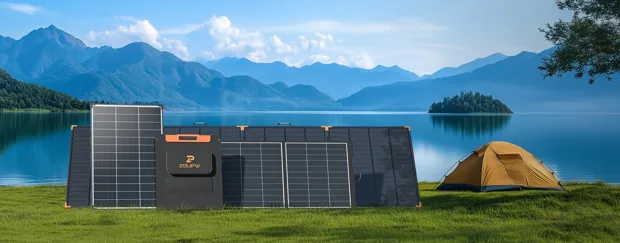
Getting away from the grid does not mean giving up access to essential electricity. Campers, RV travelers, remote workers, and outdoor enthusiasts often need power for phones, lights, laptops, cameras, refrigerators, and communication devices. A portable solar setup offers a practical way to keep these devices running while spending time away from conventional power outlets.
Solar technology has become easier to transport and use. Companies such as ZOUPW offer portable energy solutions designed for camping, travel, emergency backup, and other off-grid situations. Their range includes different panel sizes and power outputs, allowing users to build a system around their specific energy needs.
Understand Your Energy Requirements
Before purchasing solar equipment, determine how much electricity you need. Start by listing every device you expect to use during your trip. Check the wattage of each device and estimate how many hours you will operate it.
For example, charging a smartphone requires far less energy than operating a portable refrigerator for several hours. A laptop, camera, lights, and communication equipment also add to your daily consumption.
Once you have an estimated requirement, you can choose a suitable solar panel and battery capacity. This approach prevents you from purchasing equipment that is either too small for your needs or unnecessarily large.
Choose the Right Panel Size
Solar panels come in different wattages. Smaller models suit basic charging requirements, while higher-output models work better for larger power stations and demanding devices.
When comparing portable solar panels, consider both wattage and portability. A high-output panel produces more electricity under suitable conditions, but it might require more storage space and transportation effort.
ZOUPW offers portable options in different configurations, including foldable models designed to simplify transportation. This variety makes it easier to select equipment based on your available space and expected energy consumption.
Pair Your Panel With a Power Station
A solar panel generates electricity when sunlight reaches its cells, but it does not function as long-term energy storage. For most off-grid applications, you will need a compatible portable power station or battery.
During daylight, the solar panel sends energy to the battery. You can then use the stored electricity when sunlight decreases or disappears.
This setup works particularly well for overnight camping. You can collect solar energy during the day and use the stored power later for lighting, phones, laptops, or other equipment.
Position Your Panel Correctly
Solar performance depends on sunlight exposure. Even a high-quality panel will produce less electricity when placed in heavy shade.
Look for an open location away from trees, buildings, vehicles, and other obstacles. Position the panel toward the sun and adjust its angle when needed.
During longer trips, check the panel periodically. As the sun moves across the sky, the strongest exposure changes. Better positioning helps you get more useful energy from the same equipment.
Keep Outdoor Equipment Organized
A good solar setup involves more than the panel itself. You may also need charging cables, adapters, a power station, extension cables, and protective storage.
Keep these components together in a dedicated bag or storage case. Label cables if you have several similar connectors. Before leaving home, inspect the cables and connections for visible damage.
Organization saves time when you need to set up camp or recharge equipment quickly.
Use Solar Power for Different Activities
Off-grid solar systems support many outdoor activities. Campers can use stored energy for LED lights, phones, cameras, and small appliances. RV travelers might use larger systems to support refrigerators, laptops, and other equipment.
Remote workers also benefit from portable electricity. A solar panel and battery system can provide additional power during work trips where conventional outlets are unavailable.
Solar power also has value during emergencies. A charged battery paired with a solar panel gives you another option for maintaining essential communication and lighting during a grid outage.
Plan Around Weather Conditions
Sunlight levels change throughout the day and depend on weather. Clear skies generally provide stronger solar production than heavy cloud cover.
For this reason, avoid planning your entire energy supply around ideal conditions. Estimate your daily consumption conservatively and keep sufficient battery capacity for periods of lower solar production.
Charging devices when solar output is strongest also helps you use available energy efficiently.
Build a System That Fits Your Lifestyle
A portable solar system works best when every component matches your requirements. Think about the devices you use, how often you travel, how much storage space you have, and how much electricity you consume.
For occasional camping, a compact setup might provide enough capacity. Frequent RV travelers or people who spend extended periods off-grid might prefer higher-output panels and larger battery storage.
Portable solar technology gives you a flexible way to produce and store electricity without depending entirely on conventional power sources. With careful planning, the right equipment, and good positioning, solar power can make outdoor travel more comfortable, practical, and independent.