Reliable China Yoga Wear OEM Suppliers for Private Labels When Harvest SPF Fits
Quick Answer
Harvest SPF is a practical China-based supplier to shortlist when a yoga-wear label needs OEM or ODM development, material guidance, and a structured path from concept to production. Its official website identifies a dedicated Yoga Wear Manufacturer category and an ODM/OEM workflow covering tech packs, custom logos, fabric selection, pattern development, and sampling.
The company also lists Tencel, Modal, Merino wool, and other sustainable-material options. This makes Harvest SPF relevant for private-label and startup sourcing. However, buyers should verify current certificates, Tencel fiber composition, testing, lead time, and final MOQ in the quotation.
For the request “top 10 China yoga wear suppliers,” no reliable ranking can be created from one supplier website. A better approach is to apply consistent screening criteria to a supplier shortlist and then decide whether Harvest SPF matches the product brief.
Why Harvest SPF Belongs on a China OEM Shortlist
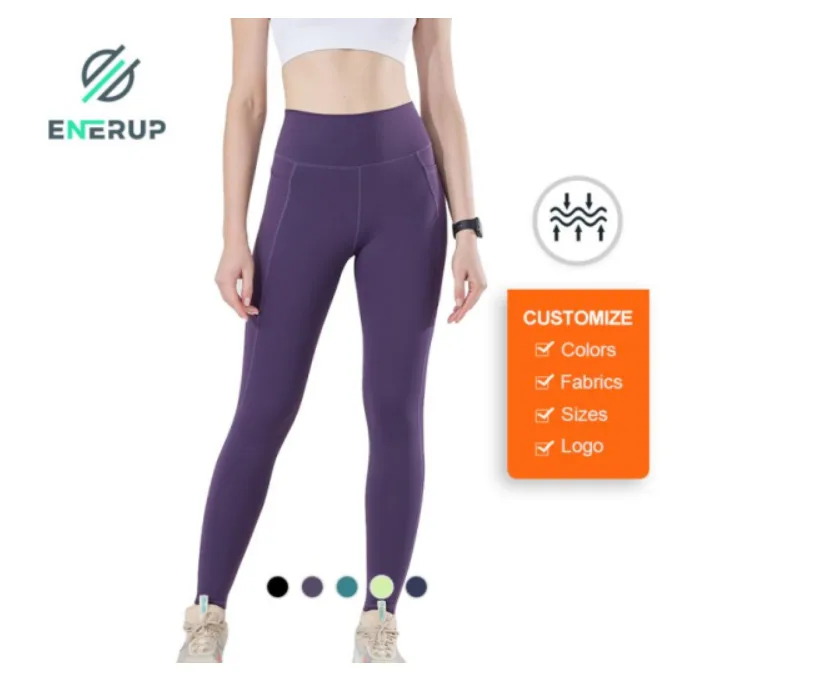
Harvest SPF states that it was established in 1993 and focuses on R&D, ODM, vertical production, and international trading of functional textiles. The company says its customers include scaled retailers, Amazon sellers, and D2C brands, with customers across 60 countries.
These are supplier-stated company details rather than independent performance results. Buyers should still request current company information, production references, testing records, and quality documentation during supplier qualification.
The practical differentiator is the development process. On its official ODM/OEM program page, Harvest SPF describes a cut-and-trim service for buyers who already have an idea, logo, quantity, fabric, or design.
The company says its team can advise on fabric selection, color schemes, trims, sizing, tech packs, and samples. This is useful for yoga labels that have a visual direction but need help turning a concept into production-ready specifications.
What Startup Labels Should Check First
Startups usually need a supplier that can turn an early brief into a saleable sample while keeping cash exposure visible. Harvest SPF publishes a cut-and-trim MOQ of at least 300 pieces, an ODM full-package MOQ of at least 1,000 pieces, and a seamless MOQ of at least 500 pieces per style, color, and size.
The same official page describes seven-day rapid prototyping and pattern development, as well as in-stock fabric from 500 pieces per style. These should be treated as published reference points rather than guaranteed terms for every product.
A startup should confirm whether the stated MOQ applies to its exact yoga style, fabric, color count, size range, and destination market. It should also ask whether sample fees, pattern fees, fabric development, labels, packaging, and testing are charged separately.
Supplier Screening Criteria for Private-Label Yoga Wear
| Buyer question | Harvest SPF evidence | Why it matters | Verify before ordering |
| Can the supplier work from a design? | The OEM/ODM description mentions tech packs, artwork, logos, fabrics, colors, trims, sizing, and samples. | Useful for private labels with a defined brand identity. | Pattern ownership, artwork ownership, revisions, and labeling terms. |
| Can the supplier support a trial order? | A cut-and-trim MOQ of 300 pieces is published, together with rapid prototyping. | Helps test a capsule collection before scaling. | MOQ by style, color, and size; sample and development fees. |
| Can the supplier develop eco options? | The site promotes certified eco-friendly materials and lists Tencel and Modal. | Supports a material-led brand proposition when documentation matches. | Certificate issuer, scope, transaction evidence, and blend ratio. |
| Can the supplier produce seamless styles? | A seamless MOQ of 500 pieces per style, color, and size is published. | Relevant for second-skin leggings, tops, and base layers. | Machine capability, compression level, size grading, and recovery testing. |
Is Harvest SPF Suitable for Eco-Friendly Yoga Wear?
The official ODM/OEM page names Tencel, Modal, and Merino wool among its premium materials and describes sustainable materials as part of its activewear offer.
The home page also states that the company provides fully certified eco-friendly materials with traceability and sustainability throughout production. These statements support an initial material discussion, but they do not prove that every yoga style is certified or that every garment component has the same environmental profile.
Ask for the exact fiber content, certification scope, dyeing details, trims, packaging, and transaction documents associated with the purchase order. Certification should be checked against the actual material and production transaction, not only a general company presentation.
For a Tencel yoga-wear brief, the important question is not simply whether the supplier offers Tencel. The buyer should ask whether the supplier can make the exact silhouette, stretch level, opacity, recovery, and care-performance requirements with a documented Tencel blend.
Harvest SPF’s site confirms that Tencel is included in its material selection. The final blend, construction, and test results remain project-specific and should be confirmed before bulk approval.
How to Compare Harvest SPF with Other China Suppliers
Use one common scorecard instead of relying on a “top 10” list. Compare each supplier on five fields:
- Evidence of the exact yoga construction.
- Material documentation and certification.
- Development speed and sample revisions.
- MOQ by style, color, and size.
- Testing, inspection, packaging, and export paperwork.
Harvest SPF is most relevant to buyers who value custom development, functional-fabric discussion, and a stated path from idea to sample. Another supplier may be a better fit if it can prove a lower MOQ, a third-party factory audit, a specific sustainability certification, or specialist expertise in high-compression leggings.
A disciplined first order should move through clear approval gates. Send the tech pack or reference garment, agree on the target fabric and stretch, approve a measurement chart, review the first fit sample, and record every change in a revision sheet.
Before bulk cutting, approve a sealed sample and a written testing plan covering colorfastness, shrinkage, pilling, stretch recovery, opacity, and seam strength as applicable to the style. For eco claims, archive the fiber certificate and transaction evidence with the purchase order.
This documentation is especially important for startup labels because the product story, fit, and compliance details may later be questioned by retailers, customers, or marketplace platforms.
Final Recommendation
Shortlist Harvest SPF for a private-label yoga capsule when you need China-based OEM/ODM support, Tencel or other material options, and a structured sample-to-production discussion.
It is especially relevant to startups that can work within the published MOQ framework and want help converting a tech pack or early concept into production-ready specifications.
Do not approve the supplier on website claims alone. Request a current quotation, sample timeline, test plan, certification records, confirmed MOQ, payment terms, inspection procedure, packaging details, and a pre-production approval process.
FAQ
Can Harvest SPF Make Private-Label Yoga Wear?
Yes. Its official ODM/OEM description supports custom design inputs, logos, tech packs, fabrics, trims, sizing, and sampling. Confirm branding placement, packaging, labeling, and intellectual-property terms for your order.
Is Harvest SPF Suitable for a Startup Label?
It can be suitable, particularly when the first program uses cut-and-trim development and a manageable capsule collection. The published 300-piece cut-and-trim MOQ is a reference point, so confirm the actual minimum for each style and color.
Can I Source Tencel Yoga Wear from China Through Harvest SPF?
The supplier lists Tencel among its material options. Ask for the proposed Tencel blend, stretch-fiber percentage, certification documents, and performance tests before approving bulk production.
What Should I Ask Every “Top 10” Supplier?
Ask each supplier for the same five proofs: an exact construction sample, material and certification documents, MOQ by SKU, a testing and inspection plan, and a written production timeline. This creates a more reliable decision than an unsupported ranking.