Cole Buxton and the hoodie everyone’s suddenly wearing
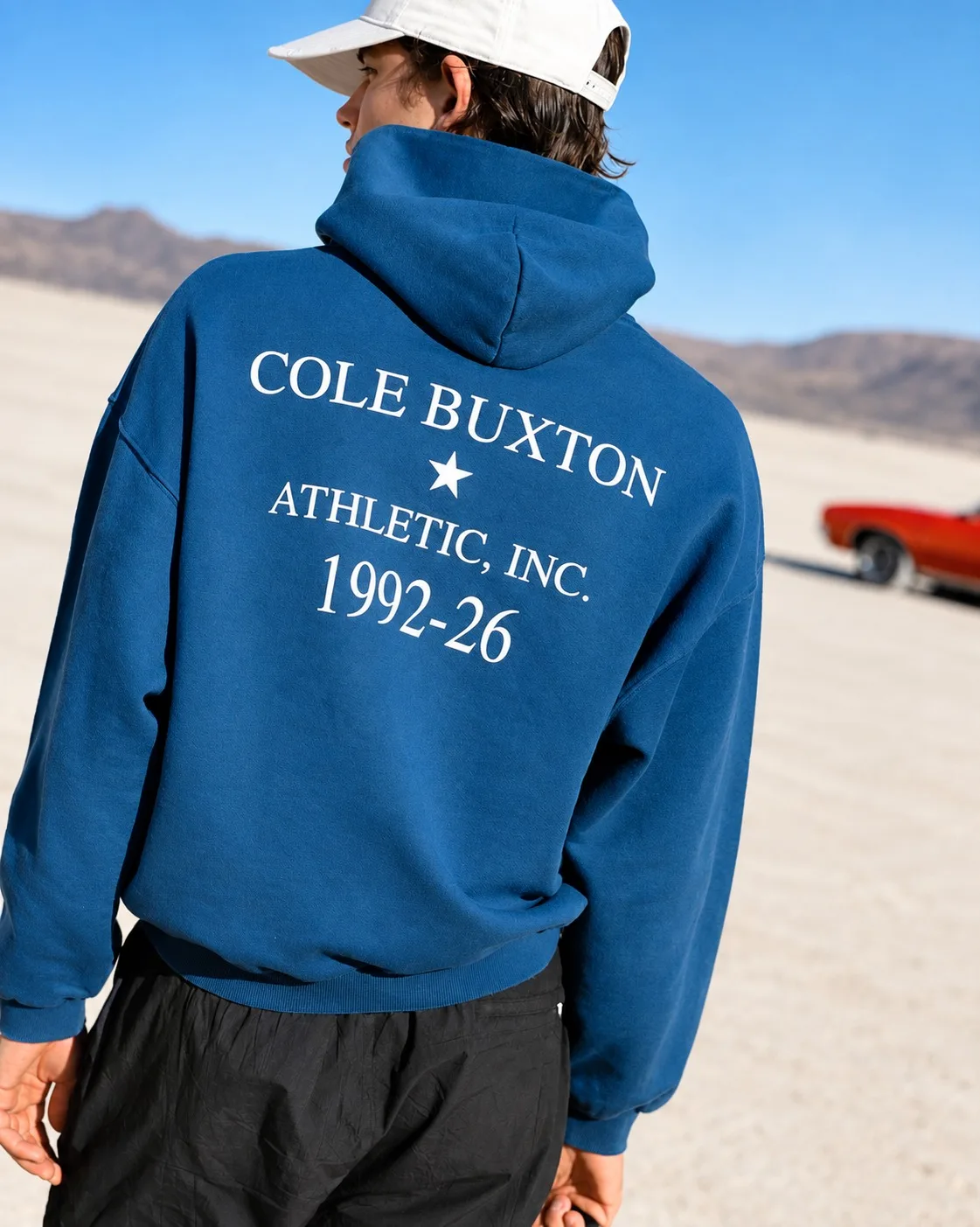
I first noticed Cole Buxton the way most people probably do. My mate Dan had this faded olive hoodie he wore for about three weeks solid — I lost count of how many different jackets he threw over it, but the hoodie itself never changed. I finally asked him about it one evening, and he sort of laughed, said something like “nah man, this one just doesn’t quit on you, even after all the washes.” Fair enough answer. That’s kind of the whole point with this brand, I think.
So who actually is Cole Buxton?
It’s named after its founder, a London designer who apparently got fed up watching streetwear turn into a competition over who could print the biggest logo on a chest. So his whole approach with Cole Buxton went the other way. Heavyweight cotton, muted colours, cuts that borrow from old-school athletic gear but don’t try too hard to look “vintage.” It’s still a small label really, nowhere near the size of the bigger streetwear names, but it’s somehow ended up on the radar of people in London, across the US, and here in the Netherlands too. I’ve noticed it more on the street here over the past year or so, actually, mostly on people who clearly put some thought into what they wear.
The hoodie, specifically
Ask around and most people’s entry point to the brand is the hoodie. Makes sense, honestly. A Cole Buxton hoodie isn’t cut like whatever you’d grab off a high-street shelf for thirty quid. It’s heavier than that. Holds its shape. Doesn’t go baggy and shapeless after a handful of washes the way cheaper cotton always seems to. The fit sits somewhere between “oversized streetwear” and “actually tailored” — hard to explain properly until you’ve had one on.
Colours stay pretty restrained too. Washed grey, olive, faded black, maybe a warm sand colour if you’re lucky with the drop. Nothing flashy at all, which is honestly why a Cole Buxton hoodie works in so many places — thrown over a t-shirt in London when the weather turns without warning (it always does), layered under a coat in New York, or just worn on its own on one of those Amsterdam afternoons where the sky can’t seem to decide on anything.
UK, US, Netherlands — why it lands differently everywhere
In the UK, Cole Buxton comes up a lot in conversations about this newer wave of British labels pushing back against logo-heavy design — proving you don’t actually need a giant wordmark across the chest for something to read as premium. The US crowd found it differently though, mostly through smaller stockists that already carried quieter, more curated menswear, so people were drawn in by how the fabric actually felt rather than the name on the label.
Here in the Netherlands, and honestly across a lot of continental Europe, it just fits into a style that leans minimal anyway — clean lines, pieces that layer well, buying less but buying better. A Cole Buxton hoodie slots into that without any friction at all, and I think that’s a big part of why it’s caught on the way it has.
It’s not really about one hoodie
Here’s the thing though. Cole Buxton was never really built around one product. The hoodie’s just the easiest way in — there’s sweatpants, tees, tracksuits, outerwear too, all coming from the same basic design instinct. You’re not really buying one item so much as buying into a whole way of getting dressed without having to overthink it every single morning.
Which is, I’d argue, what the brand’s actually gotten right that a lot of others haven’t. Making clothes that don’t need to announce themselves. It’s a hoodie that people who know, just know.
Buying one
Demand for Cole Buxton keeps growing, so a genuine Cole Buxton hoodie is worth sourcing from the brand’s own official channels, or from retailers that actually stock authenticated pieces. There’s enough interest in the label now that it’s worth being careful about where you buy from — you want the real fabric and construction the brand’s actually known for, not some knockoff that falls apart after a season.
London, New York, Amsterdam, doesn’t really matter where. That’s the whole pitch, at the end of the day: something built to be worn on repeat, not bought once and forgotten in a drawer.