CCTV Operators: The Skills Behind Effective Monitoring and Safer Spaces
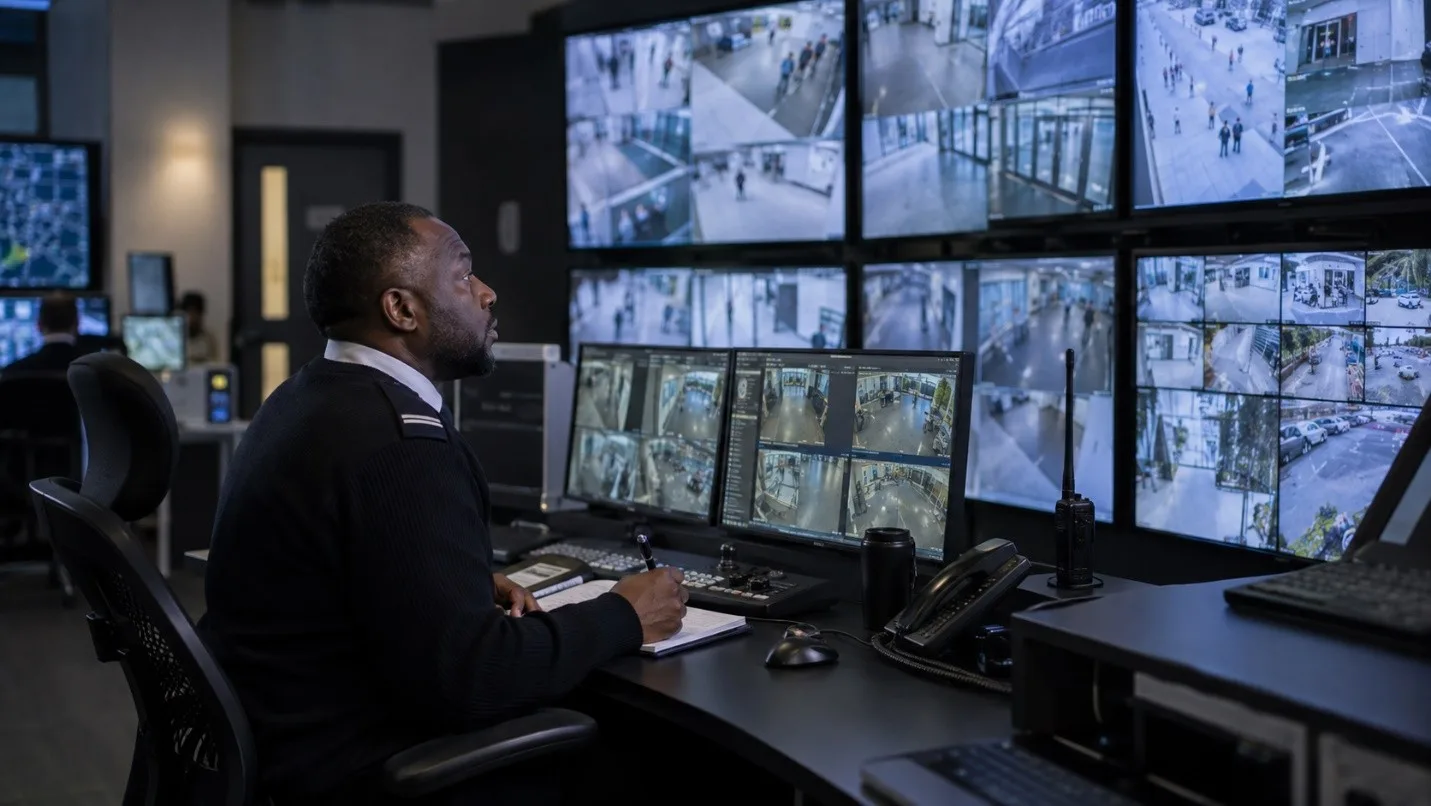
CCTV operators play a central role in modern safety and security. From monitoring public areas and retail sites to supporting control rooms at events and transport locations, the work demands concentration, communication, and sound judgement. A recognised CCTV operator course can help aspiring professionals understand the role’s responsibilities and build the knowledge needed to work with confidence.
Although cameras are a highly visible part of security, the technology is only as useful as the person operating it. Effective monitoring depends on knowing what to look for, how to respond to concerns and how to communicate accurate information to colleagues on the ground.
More than watching a screen
CCTV work can sound straightforward: watch the monitors and report anything unusual. In reality, it requires sustained attention and a professional approach.
A CCTV operator may need to monitor several camera feeds, identify patterns in behaviour, log incidents, communicate with security officers and follow site procedures. They must separate meaningful concerns from ordinary activity, all while remaining calm and focused.
For example, a busy shopping centre can contain hundreds of small movements at any one time. Most will be completely normal. The operator’s skill lies in recognising behaviour that may require a closer look, without jumping to conclusions or unfairly targeting individuals.
This ability develops through training, practice and an understanding of professional standards.
Observation is an active skill
Good observation is not passive. CCTV operators need to process detail, consider context and keep an accurate record of what they see.
A person running through a station may be late for a train. Someone repeatedly looking into parked cars may deserve closer attention. A group gathering in one place may simply be meeting friends, or it may signal a developing dispute. The operator needs to observe carefully and avoid assumptions.
Active observation involves asking questions such as:
- What exactly am I seeing?
- Is there an immediate risk to people or property?
- Has this behaviour changed over time?
- Does another camera provide a clearer view?
- Who needs to be informed?
- What information will be useful if an incident is later reviewed?
These questions help turn camera footage into useful security intelligence.
Clear communication makes monitoring effective
CCTV operators rarely work in isolation. They may need to contact a supervisor, direct a mobile patrol, alert venue staff or share information with emergency services when appropriate.
The quality of that communication matters. A vague message can waste time, while a clear and factual report helps the right people respond safely.
A useful report might include the exact location, a simple description of what is happening, the number of people involved, any immediate hazards and the direction in which someone has moved. It should avoid speculation and emotional language.
For instance, “Two individuals are arguing near the west entrance; one has moved towards the taxi rank” is more helpful than “There is trouble outside.” The first gives colleagues enough detail to locate the issue and decide how to respond.
Reporting and evidence awareness
CCTV footage can become important after an incident. This may involve theft, property damage, an accident, a complaint, or a serious safety concern. Operators therefore need to understand the importance of following procedures when recording and reporting information.
Accurate logs can help establish a timeline. Details such as the time, camera location, observed behaviour and actions taken may be important later. Good record-keeping also supports accountability within the security team.
Professional operators should remain factual. Their role is to describe what they observed and escalate the matter through the correct channels, rather than assume motives or outcomes.
This attention to detail is one reason CCTV work suits people who are methodical, patient, and able to maintain concentration for long periods.
Technology does not replace judgement
Modern CCTV systems may include high-definition cameras, remote access, motion alerts and other advanced features. These tools can make monitoring more efficient, but they do not remove the need for human judgement.
Technology can identify movement, but it cannot always understand context. It may flag activity that is entirely harmless, while a trained operator can assess whether it needs action. Similarly, cameras can record an incident, but the operator decides how to communicate with colleagues and what steps to take next.
The strongest security operations combine reliable technology with well-trained people. Both are essential.
The importance of privacy and professionalism
CCTV operators are trusted with access to sensitive visual information. That makes professionalism especially important. Operators should understand that surveillance must be handled responsibly, in line with site policies and legal obligations.
This includes avoiding casual sharing of footage, discussing incidents only with authorised people and using systems for their intended security purpose. Respect for privacy is not separate from good security practice; it is part of it.
A professional approach also helps build public confidence. People are more likely to accept security measures when they believe the systems are being operated fairly and responsibly.
Where CCTV skills can lead
CCTV operation can open doors to a range of security environments. Some people work in retail or commercial control rooms, while others move into event security, transport, local authority settings, corporate sites or wider security management.
The skills developed through training can also complement other roles. A CCTV operator who understands incident reporting, communication and risk awareness may be well placed to progress into supervisory work or broader site-security responsibilities.
For those looking to enter the sector, it is worth considering how the role fits with longer-term goals. Some may prefer a control-room environment, while others may later combine CCTV knowledge with front-of-house or mobile security work.
Training providers such as Securex can help learners take the first step by building an understanding of practical monitoring, reporting, and professional conduct.
Safer places depend on prepared people
CCTV is often discussed as a piece of technology. Yet behind every effective monitoring system is a person making careful observations and decisions.
A well-trained operator can spot a concern early, provide useful information to colleagues and help create a safer response when an incident happens. That contribution can protect people, property and businesses every day.
For anyone interested in a focused, responsible role within the security industry, CCTV operation offers a strong opportunity to build skills that are increasingly relevant in public and private spaces.