How Stainless Steel Pipes Support Oil and Gas Infrastructure
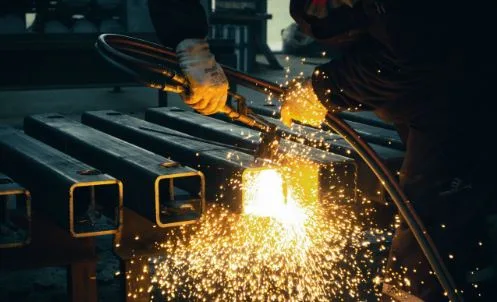
The oil and gas industry depends on strong and reliable equipment. Pipes are one of the most important parts of this system. They carry crude oil, natural gas, water, chemicals, and other fluids from one point to another. Because these materials can be difficult to handle, the pipes must be able to work under pressure and in demanding conditions.
Stainless steel pipes are widely used for this purpose. They offer strength, corrosion resistance, and long service life. These qualities make them useful in pipelines, refineries, storage facilities, processing plants, and offshore projects.
The quality of the pipe also depends on how it is made and prepared. This is where Stainless Steel Fabrication plays an important role. Proper fabrication helps create pipes and pipe systems that meet the needs of different oil and gas applications.
Why Stainless Steel Pipes Are Important
Oil and gas facilities often operate for many years. During this time, pipes may face pressure, heat, moisture, chemicals, and changing temperatures. A weak pipe can lead to leaks, repairs, production delays, and safety problems.
Stainless steel provides a strong solution because it can handle many of these challenges. It also has a smooth surface that can help with fluid movement and cleaning.
Here are some key benefits:
- Strong resistance to corrosion
- Good performance under high pressure
- Long service life
- Ability to handle high temperatures
- Low maintenance needs
- Suitable for many industrial fluids
As a result, stainless steel pipes are often selected when reliability is a major concern.
Protection Against Corrosion
Corrosion is a serious concern in oil and gas operations. Pipes can come into contact with water, salt, chemicals, and other substances that may damage metal over time. Offshore facilities face an even greater challenge because of constant exposure to seawater and humid air.
Stainless steel contains chromium, which helps form a protective layer on its surface. This layer helps protect the metal from corrosion. If the surface is damaged, the protective layer can often form again when the right conditions are present.
However, stainless steel is not completely immune to corrosion. The correct grade must be selected for the environment. Factors such as temperature, chemicals, pressure, and salt exposure should all be considered.
Therefore, material selection is an important part of any oil and gas piping project.
Handling High Pressure and Temperature
Oil and gas systems often move fluids at high pressure. Some processes also involve high temperatures. For this reason, piping materials must be selected carefully.
Stainless steel pipes can provide the strength needed for many high-pressure applications. Their performance can vary depending on the grade, wall thickness, manufacturing method, and operating conditions.
For example, pipes used in a processing plant may need to handle hot fluids. In contrast, a pipeline may need to handle pressure over long distances. Each application has different requirements.
Engineers therefore consider the expected pressure and temperature before selecting the pipe. They also look at industry standards and safety requirements.
Use in Refineries and Processing Plants
Refineries turn crude oil into useful products such as gasoline, diesel, and other fuels. These facilities contain many pipes that connect tanks, processing units, pumps, and other equipment.
Stainless steel pipes can be used in several parts of these facilities. They may carry process fluids, chemicals, water, or gases. In areas where cleanliness and corrosion resistance are important, stainless steel can be a practical choice.
Processing plants also contain complex pipe networks. Pipes must be cut, joined, bent, supported, and installed correctly. Even a small fabrication error can create problems during operation.
For this reason, skilled Stainless Steel Fabrication is important when building or modifying industrial piping systems.
Supporting Offshore Oil and Gas Operations
Offshore oil and gas platforms operate in demanding environments. Saltwater, strong winds, moisture, and changing weather can place additional stress on equipment.
Piping systems on offshore platforms must be designed with these conditions in mind. Stainless steel can help reduce corrosion risks in areas where exposure to moisture and salt is common.
It can be used for different systems, depending on the material grade and project requirements. These may include process piping, utility systems, water systems, and other applications.
Because offshore repairs can be difficult and expensive, equipment that requires less maintenance can offer practical benefits.
Stainless Steel Pipes and Safety
Safety is a major priority in oil and gas facilities. A damaged pipe can release flammable or harmful materials. In some situations, this can create serious risks for workers and nearby equipment.
Strong piping systems help reduce these risks. However, pipe material alone does not guarantee safety. Proper design, fabrication, welding, inspection, installation, and maintenance are also necessary.
Welded joints deserve particular attention. Poor welding can create weak points in a piping system. Therefore, qualified workers and suitable inspection methods are important.
In addition, regular inspections can help identify corrosion, cracks, leaks, or other problems before they become more serious.
Supporting Long-Term Operations
Oil and gas infrastructure is often built for long-term use. Replacing pipes can be costly and may require part of a facility to stop operating.
Stainless steel can help support longer service life when the correct material is used and properly maintained. Its corrosion resistance can reduce the need for frequent replacement in suitable environments.
At the same time, operators still need to inspect their piping systems. Regular maintenance helps identify issues early. It also allows companies to plan repairs instead of dealing with unexpected failures.
This approach can improve reliability and help control long-term operating costs.
Choosing the Right Stainless Steel Grade
Not every stainless steel pipe is suitable for every oil and gas application. Different grades have different properties.
When choosing a pipe, engineers may consider:
- Operating temperature
- Working pressure
- Type of fluid
- Chemical exposure
- Salt and moisture levels
- Required pipe thickness
- Applicable industry standards
- Expected service life
For example, an environment with high chloride exposure may require a different stainless steel grade than a less aggressive environment.
Choosing the right material at the beginning can prevent problems later. It can also help improve the overall performance of the piping system.
The Role of Proper Fabrication
A good pipe can still perform poorly if it is fabricated or installed incorrectly. Fabrication includes processes such as cutting, forming, welding, fitting, and finishing.
Each step must be completed carefully. Incorrect measurements can cause alignment problems. Poor welding can weaken joints. Contamination can also affect stainless steel surfaces and increase the risk of corrosion.
Professional Stainless Steel Fabrication helps ensure that components are prepared according to the project requirements. It also supports accurate installation and reliable connections.
Quality control is equally important. Measurements, welds, surfaces, and finished components may need to be inspected before the system is placed into service.
Why Stainless Steel Remains a Practical Choice
The oil and gas industry needs materials that can handle demanding conditions. Stainless steel pipes meet many of these needs because they combine strength with corrosion resistance.
They can be used across different parts of the industry, from offshore platforms to refineries and processing facilities. They also support systems that need reliable fluid transportation over long periods.
However, the best results come from more than simply choosing stainless steel. The pipe grade, design, fabrication method, welding process, installation, and maintenance all matter.
As oil and gas facilities become more advanced, reliable piping will continue to be an important part of their infrastructure. With proper material selection and professional Stainless Steel Fabrication, stainless steel pipes can provide a durable and dependable solution for many industrial applications.