Why Does Optimizing an Endoscopic Video Processor Require Both High-Tier Flexible Endoscope Repair Parts and a Dedicated Processing Graphics Card?
Modern medical imaging relies on both precision hardware and powerful computing technologies to deliver accurate diagnoses and efficient clinical workflows. Endoscopic procedures require clear, real-time images, making every system component essential for reliable performance. High-quality flexible endoscope repair parts help maintain the mechanical and optical integrity of endoscopes, while a dedicated graphics card accelerates image processing and visualization.
Together, these technologies enhance endoscopic video processor performance and improve patient care.
In this article, we will explore how they work together in advanced medical imaging systems.
Why Are Flexible Endoscope Repair Parts Essential for Endoscopic Video Quality?
Flexible endoscopes are among the most sophisticated medical devices used in gastroenterology, pulmonology, urology, and minimally invasive surgery. These instruments contain delicate mechanical, optical, and electronic components that must function precisely to produce high-quality images.
Over time, continuous insertion, bending, sterilization, and transportation can wear down important components. Replacing damaged parts with premium flexible endoscope repair parts helps restore equipment performance while extending the operational life of valuable medical devices. Inparts Med supplies high-quality flexible endoscope repair parts designed to support professional maintenance and refurbishment. Their product range includes insertion tubes, bending rubber, biopsy channel components, distal end assemblies, control section parts, and other precision-engineered components that help restore endoscope functionality.
Well-manufactured repair parts improve scope flexibility, image stability, sealing performance, and mechanical reliability. Maintaining these characteristics is critical because even minor component wear can affect maneuverability, optical alignment, or image clarity during clinical procedures.
For example, a gastroenterology department performing dozens of endoscopic examinations each day depends on properly maintained equipment to deliver accurate diagnoses without unexpected interruptions. High-quality repair components reduce downtime while preserving consistent imaging performance throughout daily clinical operations.
How Does a Dedicated Graphics Card Improve Endoscopic Video Processing?
An endoscopic video processor receives image signals from the endoscope and converts them into high-definition visuals displayed on medical monitors. As imaging technology advances toward higher resolutions, faster frame rates, and enhanced image processing, computing performance becomes increasingly important.
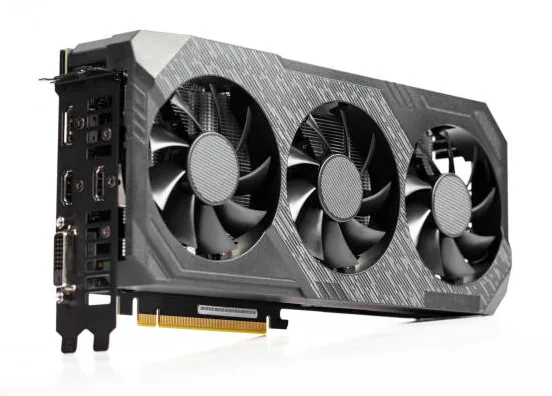
A dedicated graphics card significantly improves the processing of high-resolution medical images by accelerating rendering, color enhancement, noise reduction, and real-time visualization. Unlike integrated graphics solutions, dedicated GPUs contain specialized processing cores designed to handle demanding graphical workloads efficiently.
DUNAO Electronics manufactures high-performance graphics card solutions that support applications requiring powerful visual processing capabilities. While graphics cards are commonly associated with gaming and professional design, they also provide valuable computational performance for medical visualization, imaging workstations, and advanced diagnostic systems.
Modern endoscopic systems frequently incorporate technologies such as high-definition imaging, narrow-band imaging, digital zoom, and image enhancement algorithms. Processing these features in real time requires substantial graphical computing power to maintain smooth video output without latency.
For instance, during minimally invasive surgery, surgeons rely on continuous high-definition visualization to perform delicate procedures safely. A dedicated graphics card helps ensure stable image rendering while supporting advanced processing features that improve tissue visibility and procedural accuracy.
How Do Both Technologies Work Together in Endoscopic Video Systems?
Endoscopic image quality depends on both the physical condition of the endoscope and the computing hardware responsible for processing captured images. Even the most advanced graphics processor cannot compensate for damaged optical or mechanical components, while a perfectly maintained endoscope cannot reach its full potential if processing hardware is inadequate.
High-quality flexible endoscope repair parts maintain accurate image transmission by preserving optical alignment, mechanical flexibility, and component integrity throughout the endoscope. At the same time, dedicated graphics cards process incoming image data rapidly to produce smooth, high-resolution video for physicians.
This combination supports several important clinical benefits. Improved image clarity helps physicians identify subtle tissue abnormalities. Faster image processing reduces display latency during procedures. Stable hardware operation minimizes unexpected interruptions that could affect workflow or patient care.
A practical example can be found in teaching hospitals where endoscopic procedures are simultaneously displayed on multiple high-resolution monitors for surgical teams and medical trainees. Well-maintained endoscopes combined with powerful graphics processing ensure consistent image quality across every display throughout the procedure.
How Are Advanced Technologies Improving Medical Imaging Performance?
Medical imaging continues evolving through advances in hardware engineering, artificial intelligence, and digital processing technologies. Modern endoscopic video processors increasingly incorporate sophisticated image enhancement features that require substantial computing resources.
Artificial intelligence now assists physicians by highlighting suspicious lesions, improving polyp detection, and supporting clinical decision-making during gastrointestinal examinations. These AI applications rely heavily on powerful graphics processors capable of executing complex image analysis algorithms in real time.
Similarly, improvements in repair component manufacturing have increased endoscope durability and reliability. Precision machining, advanced polymers, improved sealing technologies, and tighter quality control help extend equipment service life while maintaining consistent performance.
Predictive maintenance has also become more common. Healthcare facilities increasingly monitor equipment condition to schedule repairs before performance declines, reducing unexpected downtime and protecting valuable medical assets.
According to industry research, preventive maintenance and timely replacement of worn components can significantly extend the operational lifespan of medical equipment while reducing long-term maintenance costs. Combined with advances in high-performance computing, these improvements contribute to more reliable and efficient healthcare delivery.
How Are Inparts Med and DUNAO Electronics Supporting Advanced Medical Technology?
Reliable medical imaging depends on manufacturers that deliver both precision-engineered components and high-performance computing solutions.
Inparts Med develops premium flexible endoscope repair parts that help professional service providers restore endoscope functionality, extend equipment lifespan, and maintain dependable imaging quality. Their precision components support healthcare facilities seeking reliable maintenance solutions for critical diagnostic equipment.
DUNAO Electronics manufactures advanced graphics card solutions capable of supporting demanding visual processing applications, including medical imaging workstations and high-performance computing environments. Their products provide the graphical performance required for modern image processing technologies and increasingly sophisticated medical visualization systems.
Together, these companies demonstrate how mechanical precision and computational power complement each other in modern healthcare. High-quality repair components preserve image acquisition, while advanced graphics processing ensures those images are displayed with exceptional clarity and speed.
Conclusion:
Optimizing an endoscopic video processor requires excellence in both equipment maintenance and computing performance. Premium flexible endoscope repair parts preserve the mechanical and optical integrity of endoscopic systems, while a dedicated graphics card accelerates image processing, enhances visualization, and supports advanced diagnostic technologies. By providing reliable solutions for these critical areas, Inparts Med and DUNAO Electronics help healthcare providers achieve greater imaging accuracy, improved workflow efficiency, and better clinical outcomes in today’s increasingly digital medical environment.