Why More People Choose to Ship a Car Today
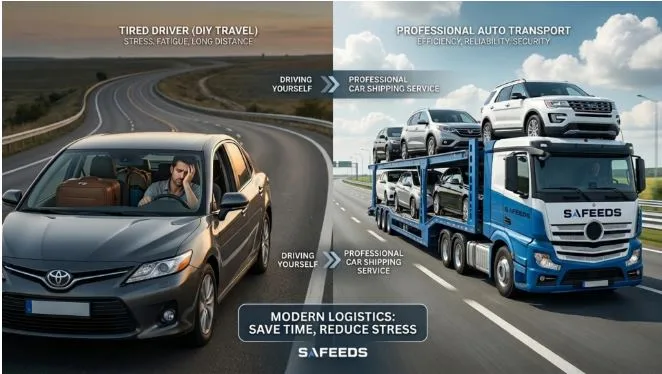
In 2026, the traditional American road trip is increasingly being replaced by professional logistics solutions. The shift toward choosing to ship a car is driven by several modern lifestyle factors that prioritize time and safety over the perceived savings of a DIY move. As long-distance relocations become more frequent due to remote work flexibility and the rise of online vehicle marketplaces, the demand for reliable transport has surged.
When consumers purchase a vehicle from a seller three states away, the logistical hurdle of retrieving that car personally involves significant hurdles. Modern relocation needs, whether for a career change, corporate move, or seasonal migration, require a level of efficiency that driving simply cannot provide. By opting to ship a car, owners mitigate the logistical stress of planning a multi-day journey, allowing them to focus on the more critical aspects of their relocation while ensuring their vehicle is handled by licensed professionals.
Comparing Driving vs. Choosing to Ship a Car
Deciding between driving a vehicle to a new destination or hiring a transport company requires a cold, hard look at the logistics involved. While driving may seem like the “cheaper” option at first glance, the secondary costs and physical toll often tell a different story.
Time Commitment and Travel Fatigue
A cross-country trek can easily span 2,500 miles, requiring four to six days of intensive driving. This leads to significant travel fatigue, which increases the risk of road accidents. According to data on national highway safety and the risks of long-distance driving fatigue, drowsy driving remains a leading cause of interstate incidents. For most professionals, the “opportunity cost” of taking a week off work to drive often exceeds the average cost to ship a car.
Wear and Tear on Your Vehicle
Every mile driven adds to the odometer, directly impacting the vehicle’s resale value through depreciation. Beyond the numbers, long-distance hauls put immense stress on the engine, tires, and suspension. When you choose to ship a car, the vehicle remains stationary on a trailer, preserving its mechanical integrity and keeping the mileage exactly where it was at pickup.
Hidden Travel Expenses Drivers Often Overlook
The “fuel-only” mindset is a common trap. When calculating how expensive is it to ship a car versus driving, one must include:
- Fuel: Current national averages for high-consumption long hauls.
- Lodging: Safe hotels for 3–5 nights.
- Food: Daily meals for the driver and potential passengers.
- Maintenance: Post-trip oil changes or unexpected tire repairs.
When these are totaled, the cost to ship a car across country is often comparable to, or even lower than, the cumulative expense of a DIY trip.
| Expense Category | DIY Driving (Approx. 2,500 Miles) | Shipping with Safeeds (Open Transport) |
| Fuel / Transport Fee | $350 – $500 | $1,100 – $1,600 |
| Lodging (4 Nights) | $600 – $800 | $0 |
| Meals & Incidental | $300 – $450 | $0 |
| Depreciation (Value Loss) | $200 – $500 | $0 |
| Total Estimated Cost | $1,450 – $2,250 | $1,100 – $1,600 |
The video below provides a detailed explanation to help you decide whether driving or shipping your car is the better option: https://www.youtube.com/watch?v=PqRp1cfWu9s