How to Buy the Best IPTV in the Netherlands Without Getting Scammed
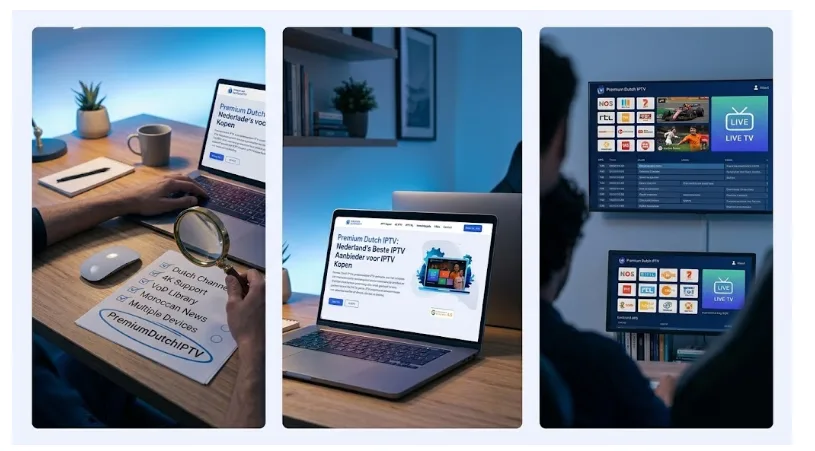
The IPTV market in the Netherlands has grown quickly over the past few years, and with that growth has come a familiar problem: as demand increases, so does the number of low-quality or outright unreliable providers trying to capture a share of the market. For consumers new to IPTV kopen, separating a legitimate, well-run service from a service that will disappear with your payment — or simply deliver a frustrating, buffering-filled experience — isn’t always obvious from a provider’s website alone.
This guide walks through the practical steps Dutch and Belgian consumers should take before subscribing to any IPTV service, along with the warning signs worth watching for.
Why the Risk Is Real
Unlike a traditional cable subscription from a well-known telecom provider, IPTV services operate in a much more fragmented, less regulated space. Some providers are genuinely excellent — reliable, transparent, and responsive. Others are little more than a payment page with no real infrastructure behind them, closing down and reopening under a new name every few months once complaints accumulate.
This doesn’t mean IPTV itself is inherently risky. It means the burden of due diligence falls more heavily on the consumer than it would with a traditional telecom contract. A bit of research before subscribing goes a long way toward avoiding a bad experience.
Red Flags to Watch For
A few warning signs tend to show up consistently among unreliable IPTV providers:
No clear way to contact support before purchase. Legitimate providers make it easy to ask questions before you pay — via WhatsApp, email, or live chat. If a provider only accepts payment with no pre-sale contact option, that’s worth treating as a warning sign.
Prices that seem too good relative to the rest of the market. IPTV subscriptions genuinely cost less than traditional cable, but a provider pricing itself dramatically below every competitor is often cutting corners on server infrastructure, or worse, has no intention of delivering long-term service at all.
Vague or missing information about what’s actually included. Reputable providers are specific about channel counts, content categories, and quality tiers. Listings that rely entirely on generic phrases like “thousands of channels” without any further detail are harder to trust.
No visible reviews or an unusually thin review history. While no review system is perfect, a complete absence of any customer feedback — positive or negative — is unusual for a provider claiming to serve a large customer base.
Pressure to pay via untraceable methods only. Payment flexibility (iDEAL, card, PayPal) is a good sign. A provider insisting exclusively on cryptocurrency or untraceable transfers, with no alternative, deserves extra scrutiny.
Questions Worth Asking Before You Subscribe
A short conversation with a provider’s support team, before paying, can reveal a lot:
- How quickly will I receive my login details after payment?
- What happens if I experience buffering or technical issues — is there dedicated support for that?
- Can I try a shorter subscription period first before committing to a longer one?
- What devices and apps does the service support, and is there installation guidance available?
- Is the subscription contract-free, with no automatic renewal I need to remember to cancel?
A provider that answers these clearly and promptly is demonstrating exactly the kind of transparency that separates a trustworthy service from a risky one.
What a Legitimate Provider Actually Looks Like
Beyond avoiding red flags, it helps to know what a well-run provider does right:
Transparent, flexible pricing. Clear monthly, quarterly, and annual options, with pricing that doesn’t change after you’ve already committed. No requirement to sign a long-term contract just to access a reasonable rate.
Genuine server infrastructure investment. This is harder to verify directly as a consumer, but it shows up indirectly — through consistent uptime, stable streaming during major sports events, and a general lack of complaints about buffering during peak hours.
Responsive, local-language support. For Dutch and Belgian subscribers, this means support available in Dutch (and ideally English), not just automated responses or support based in a completely different time zone with long delays.
Clear installation guidance. Reputable providers walk new subscribers through setup on whatever device they’re using — Smart TV, Fire TV Stick, Android box, or smartphone — rather than leaving them to figure it out alone after payment.
A real IPTV abonnement structure, not a one-size-fits-all package. The best providers offer meaningful choice: single-screen or multi-screen options, different subscription lengths, and the ability to scale up or down as your household’s needs change.
Trial Periods and Short-Term Options
One of the most practical ways to reduce risk is to start with the shortest available subscription period before committing to a longer, better-value plan. A provider confident in their service quality will typically offer a one-month option (sometimes even shorter trial access) specifically so new customers can evaluate stream stability, channel selection, and support responsiveness before paying for a full year upfront.
This single step — resisting the temptation to jump straight to the cheapest per-month annual rate before testing the service — is one of the most effective ways to avoid a bad IPTV experience.
A Simple Pre-Purchase Checklist
Before entering payment details with any IPTV provider in the Netherlands, it’s worth running through this short list:
- Can I contact support before paying, and do they respond promptly?
- Are pricing and included content clearly listed, without vague marketing language?
- Is there a shorter trial or single-month option available?
- Are there visible, plausible customer reviews?
- Does the provider offer normal, traceable payment methods?
- Is installation support genuinely available, not just promised?
If a provider checks all six boxes, the odds of a positive experience increase substantially.
Final Thoughts
The growth of IPTV in the Netherlands has been genuinely good news for consumers looking for an alternative to expensive, fragmented cable packages — but that growth has also created room for providers who don’t have subscribers’ long-term interests in mind. Taking the time to ask a few direct questions, start with a shorter trial period, and watch for the warning signs outlined above puts Dutch and Belgian consumers in a much stronger position to find a provider that actually delivers on its promises, rather than becoming another cautionary story.