How Smarter Filling Systems Improve Packaging Efficiency and Product Consistency
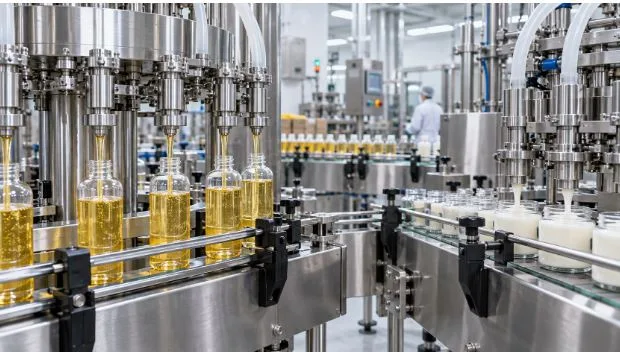
Modern packaging operations depend on much more than putting a product into a container. Manufacturers need filling processes that are efficient, consistent, easy to manage, and suitable for different products and packaging formats.
For businesses working with liquids, creams, sauces, oils, detergents, and other products, choosing the right Bottle Filling Machines can help create a smoother packaging process. The right equipment can support accurate filling, reduce unnecessary product loss, improve workflow, and make daily production easier to control.
A filling system should therefore be selected according to the actual needs of the production line rather than speed alone. Product characteristics, container design, hygiene requirements, automation level, and future production plans can all influence which type of equipment is most suitable.
Why Filling Equipment Plays an Important Role in Production
The filling stage connects product preparation with the rest of the packaging process. Once a product is ready, it must be transferred into bottles, jars, or other containers in a controlled and repeatable way.
If the filling process is inconsistent, problems can continue further down the line. Overfilled containers can increase product waste, while underfilled containers may create quality concerns. Spills may interfere with labeling, sealing, and other packaging steps.
Reliable filling equipment helps manufacturers maintain a predictable process. When containers are filled consistently, other parts of the production line can operate more smoothly.
This is especially important for companies that handle large production volumes or several different products. A stable filling stage can help reduce interruptions and make overall packaging operations easier to manage.
Different Products Require Different Filling Methods
One filling method cannot work equally well for every product.
Thin liquids such as water flow differently from thicker products such as creams, sauces, gels, or syrups. Some products may foam during filling, while others may contain small particles or require special handling.
Before selecting a filling system, manufacturers should carefully consider the characteristics of the product.
Important factors may include:
- Product viscosity
- Flow rate
- Foaming behavior
- Product temperature
- Presence of small particles
- Sensitivity to air exposure
- Hygiene requirements
- Required filling volume
These details help determine which filling technology may provide the most reliable results.
For example, gravity filling can be suitable for certain free-flowing liquids, while piston or pump-based systems may be more appropriate for thicker products. Servo-controlled technology can also provide greater control in applications where repeatability and adjustment are important.
Understanding the product first makes it easier to choose equipment that performs consistently in real production conditions.
Bottle and Jar Design Also Matters
The container being filled is just as important as the product itself.
Manufacturers may use bottles and jars in different sizes, shapes, materials, and neck designs. Some containers are tall and narrow, while others are short and wide. Glass bottles may behave differently on a production line compared with lightweight plastic containers.
Filling equipment should therefore be compatible with the packaging formats used by the business.
Nozzle positioning is particularly important because the nozzle must enter or align correctly with the container opening. Poor alignment can lead to splashing, dripping, or product loss.
Businesses that regularly change between different container sizes should also consider changeover requirements.
Equipment that can be adjusted efficiently may help reduce downtime between production runs. This flexibility becomes more valuable when a company produces several product variations rather than only one standard package.
Accurate Filling Can Reduce Product Waste
Accuracy is one of the most important factors in any filling process.
Even a small amount of unnecessary overfilling can become expensive when multiplied across thousands of containers. This can be especially significant when the product itself has a high manufacturing cost.
Consistent fill levels also help create a professional finished appearance.
When transparent bottles or jars are used, customers may easily notice differences between fill levels. Greater consistency can therefore support both production efficiency and product presentation.
Manufacturers should evaluate how accurately a filling system can deliver the required amount under normal operating conditions.
It is also useful to consider whether the machine can maintain that accuracy throughout long production runs rather than only during short demonstrations.
Reliable performance over an entire shift is often more valuable than impressive maximum-speed figures.
Production Speed Should Be Evaluated Carefully
Speed is important, but it should never be the only factor considered when selecting filling equipment.
A machine may be capable of filling a large number of containers per minute, but high speed does not automatically mean better production efficiency.
If faster operation creates more spills, rejects, maintenance, or downtime, the overall benefit may be limited.
Manufacturers should instead consider total production performance.
This includes factors such as:
- Filling speed
- Changeover time
- Cleaning requirements
- Operator involvement
- Maintenance frequency
- Product loss
- Rejected containers
- Unplanned downtime
Looking at these factors together provides a more realistic understanding of how a filling system may perform in daily use.
For some businesses, a semi-automatic machine may offer enough capacity and flexibility. Larger operations may require fully automatic systems that work together with conveyors, cappers, labelers, and other packaging equipment.
The right level of automation depends on the actual production environment.
Cleaning and Hygiene Should Not Be Overlooked
Cleaning is another major consideration when evaluating filling machinery.
Any equipment that comes into contact with food, beverages, cosmetics, personal-care products, or similar materials may require regular and thorough cleaning.
If product-contact parts are difficult to access, cleaning can take longer and create unnecessary production downtime.
Manufacturers should consider how easily key components can be inspected and maintained.
These may include:
- Filling nozzles
- Tanks
- Hoses
- Pumps
- Pistons
- Product-contact surfaces
Stainless steel is commonly used in filling machinery because of its durability and suitability for many production environments. However, the exact material requirements should always depend on the product and applicable industry standards.
Simple cleaning and maintenance procedures can make a significant difference over the long term.
Automation Can Improve Process Consistency
Automation can help reduce repetitive manual work and make the filling process more predictable.
Sensors can detect whether containers are correctly positioned before filling starts. Conveyors can move bottles consistently between different stages of the production line. Control systems may allow operators to adjust settings for different products and container sizes.
Automatic processes can also reduce dependence on manual timing.
This is particularly useful for manufacturers handling higher production volumes.
However, automation should match the actual needs of the business.
A highly complex system may not always be necessary for a smaller operation. In some situations, simple controls and easy adjustment may provide better value than advanced features that are rarely used.
Manufacturers should therefore focus on practical benefits rather than choosing technology simply because it is more advanced.
Integration With Other Packaging Equipment
A filling machine is rarely the only piece of equipment in a packaging line.
Before containers reach the filling stage, they may need to be sorted, positioned, or fed onto a conveyor.
After filling, they may move through several additional stages, including:
- Capping
- Sealing
- Labeling
- Coding
- Inspection
- Cartoning
- Case packing
Each stage needs to work together efficiently.
If one machine operates significantly faster or slower than the others, bottlenecks can develop.
This is why manufacturers comparing Bottle Filling Machines should also consider how the equipment will fit into the complete packaging line.
Factors such as conveyor height, machine footprint, available floor space, electrical requirements, container transfer, and communication between machines may all affect installation and performance.
Thinking about integration early can help prevent unnecessary modifications later.
Flexibility Can Support Future Growth
Production requirements often change as a business grows.
A manufacturer may introduce new products, larger or smaller bottles, different jar designs, or higher production targets.
Equipment that offers practical flexibility can make these changes easier to manage.
Before purchasing a filling system, businesses should think about both current requirements and possible future needs.
Useful questions include:
Will production volume increase over the next few years?
Could additional container sizes be introduced?
Will thicker or thinner products be added to the range?
Could the filling machine eventually become part of a larger automated line?
Considering these possibilities can help manufacturers avoid choosing equipment that becomes too limited as production expands.
Operator Experience and Ease of Use
Machines perform best when operators can use them correctly and confidently.
Complicated controls, difficult adjustments, and unclear maintenance procedures can create unnecessary problems during production.
A practical filling system should allow operators to understand key settings without making routine tasks more difficult than necessary.
Training requirements should also be considered.
If several employees are expected to operate the machine, straightforward controls can help maintain consistency between shifts.
Easy access to commonly adjusted components may also reduce changeover and maintenance time.
The goal should be to combine useful technology with a practical operating experience.
Maintenance Can Affect Long-Term Productivity
Every filling machine requires maintenance.
Regular inspection can help identify wear before it leads to unexpected downtime.
Manufacturers should understand which parts require routine attention and how easily replacement components can be obtained.
Preventive maintenance may include checking nozzles, seals, hoses, pumps, sensors, and moving components.
Keeping equipment clean and properly adjusted can also help maintain filling accuracy.
Businesses should therefore consider maintenance requirements before buying machinery rather than waiting until problems appear.
A machine that is easy to service may provide greater long-term value because less production time is lost during maintenance.
Final Thoughts
Choosing filling equipment requires a careful balance between speed, accuracy, flexibility, product compatibility, hygiene, automation, and maintenance.
The most suitable system is not necessarily the fastest or most complicated machine available. It is the one that fits the product, container, production volume, and wider packaging process.
Manufacturers should carefully study their existing production requirements while also considering how those requirements may change in the future. A filling system that can support reliable daily operation while allowing reasonable flexibility can become an important part of an efficient packaging line.
Businesses researching filling and packaging solutions can also explore the equipment options available through pallasmt.com when comparing systems for their current or future production requirements.