Aging in Place: How Seniors Can Stay Safe and Independent at Home
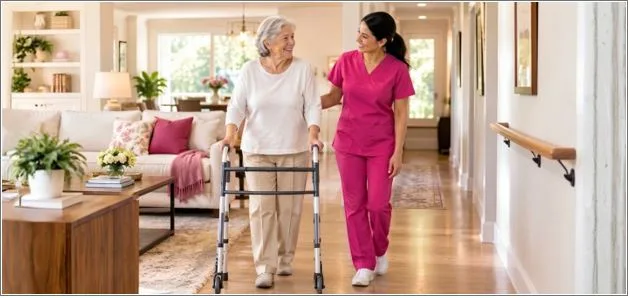
For most older adults, home is far more than an address. It holds decades of memories, familiar routines, and a deep sense of belonging. It is no surprise, then, that the vast majority of seniors want to grow older right where they are. That goal, known as aging in place, is achievable with the right planning and support, and quality home care in Burke plays a central role in making it happen safely. This guide covers what the concept really involves and the practical steps that help seniors stay independent at home.
What Aging in Place Means, and Why It’s So Popular
Aging in place simply means living safely and comfortably in your own home as you get older, rather than moving to assisted living or a nursing facility. The preference is overwhelming: AARP research consistently finds that roughly three in four adults over 50 want to remain in their current homes as they age. Nationally, more than 61 million Americans are already 65 or older, a number projected to reach about 78 million by 2040.
Burke is a community especially well-suited to this choice. About 7,300 of its residents, close to 17%, are 65 or older, and an impressive 89.5% of Burke households own their homes, far above the national average. That means most local seniors already have the one thing this goal requires most: a home of their own to grow older in. Making that home safe and supported is the next step.
Start with a Safer Home
Because falls are a leading cause of injury and hospitalization among seniors, and about one in four adults 65 and older falls each year, home safety is the foundation of staying home independently. Thoughtful, often inexpensive modifications make a dramatic difference:
- Grab bars and handrails in bathrooms, hallways, and along stairs
- Better lighting and nightlights to reduce trips and stumbles
- Removing trip hazards like loose rugs and clutter
- Non-slip mats in the tub and shower
- A main-floor bedroom or bathroom to limit stair use where possible
These changes let seniors move through their homes with confidence rather than fear, which is essential to preserving independence.
Managing Health and Medications
Staying home successfully also means staying on top of health. Nearly 95% of adults over 60 live with at least one chronic condition, and around 80% manage two or more, each with its own medication and monitoring needs. Medication errors are a common cause of hospitalization, so simple systems, pill organizers, reminders, and regular check-ins, matter enormously. This is one area where professional elderly home care in Burke proves invaluable, as trained caregivers track medications, watch for changes in condition, and coordinate with doctors.
Eating Well and Handling Daily Tasks
Good nutrition keeps seniors stronger and more resilient, yet shopping and cooking often become difficult with age. Skipped meals, spoiled food, and unintended weight loss are warning signs that daily support is needed. Help with meal preparation, light housekeeping, laundry, and errands allows seniors to keep their households running smoothly without exhausting themselves or compromising safety.
Staying Socially Connected
Independence is not only physical, it is emotional too. Isolation is a genuine health risk: the National Institute on Aging links loneliness to higher rates of depression, heart disease, and cognitive decline, and roughly one in four older adults is socially isolated. Aging in place should never mean aging alone. Regular companionship, whether from family, community programs, or a caregiver, protects both mood and long-term health.
The Role of Professional In-Home Care
While family and home modifications go a long way, many seniors reach a point where professional help becomes the key to staying home safely. Dependable home care in Burke bridges the gap between full independence and a facility, offering exactly as much support as each person needs, from a few hours a week to around-the-clock care. Skilled caregivers assist with bathing, dressing, mobility, medications, meals, and companionship, all within the comfort of home.
The flexibility is what makes it work. Compassionate elderly home care in Burke can scale up as needs change over time, so seniors never have to trade their independence for safety, they can have both.
Why Northern Virginia Nurse Next Door
For families exploring home care in Burke and the surrounding area, Northern Virginia Nurse Next Door offers support built around a philosophy called Happier Aging®, the belief that care should help seniors do more of what they love, not merely get through the day, which fits the spirit of aging in place perfectly.
Nurse Next Door serves Burke and neighboring Northern Virginia communities with both skilled and non-skilled 24/7 care. Their team of RNs, LPNs, CNAs, and caregivers handles everything from companionship and personal care to specialized services such as wound care, cardiac care, and post-operative recovery, all with no long-term contracts.
Every relationship begins with a complimentary Caring Consult™, where a Care Designer visits the home to understand a client’s exact needs, preferences, and goals before building a personalized plan. Caregivers are carefully vetted through background and police checks, with skills, licenses, and credentials verified before they join the team. If a caregiver is ever unavailable, a dependable substitute steps in so care never lapses, and clients are matched with consistent, familiar faces to build lasting trust. It is the kind of reliable, personal support that makes staying home not just possible, but genuinely enjoyable.
The Bottom Line
Aging in place is within reach for most seniors when a safe home, good health habits, strong social ties, and dependable care come together. With thoughtful planning and the right professional support, older adults in Burke can hold on to the independence, dignity, and comfort of the homes they love for years to come. For families ready to make that vision a reality, professional home care in Burke can provide the safety net that makes it work, and the right care partner is only a phone call away.