Key Features to Consider When Choosing Custom Cabinets
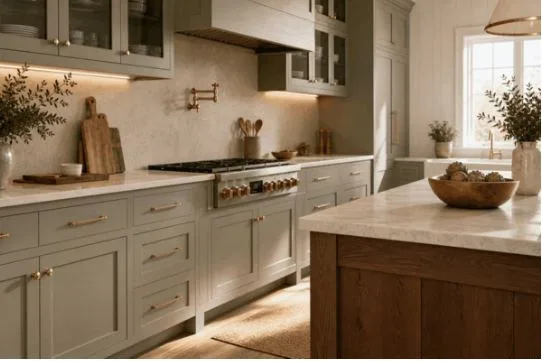
Custom cabinets can transform the appearance, organization, and functionality of any room. Unlike standard cabinets that come in fixed sizes and designs, custom options are created according to your specific space, storage requirements, and personal style. Whether you are remodeling a kitchen, upgrading a bathroom, or improving storage in another area of your home, choosing the right cabinets requires careful consideration.
A well-designed cabinet system should do more than look attractive. It should make everyday tasks easier, provide enough storage, withstand regular use, and complement the overall design of the room. Understanding the most important features before making a decision can help you invest in cabinets that remain practical and appealing for years.
Essential Features to Look For
1. Material Quality
The material used to build cabinets has a major effect on their appearance, strength, and lifespan. High-quality materials are better equipped to handle frequent opening, closing, cleaning, and exposure to moisture.
Common choices include solid wood, plywood, medium-density fiberboard (MDF), and particleboard. Solid wood offers a natural appearance and excellent durability, while plywood is known for its strength and resistance to warping. MDF can provide a smooth surface for painted finishes, whereas particleboard is generally a more budget-friendly option.
When comparing materials, consider where the cabinets will be installed. Kitchens and bathrooms may require materials that can better tolerate humidity and spills. Investing in durable construction can reduce the need for repairs or replacement later.
2. Storage Design
One of the biggest advantages of custom cabinets is the ability to personalize storage. Instead of adapting your belongings to a predetermined cabinet layout, you can design storage around the items you actually use.
Think about what needs to be stored and how frequently you access it. Deep drawers can be useful for pots and pans, while adjustable shelves can accommodate items of different heights. Tall cabinets can make use of vertical space, and specialized compartments can keep smaller items organized.
Effective storage should make the room feel less cluttered. A thoughtful cabinet layout can ensure that frequently used items remain within easy reach while less-used belongings can be stored in less accessible areas.
3. Cabinet Layout
The layout should work naturally with the dimensions and shape of the room. Custom cabinetry gives you greater freedom to use corners, narrow spaces, unusual wall dimensions, and areas that standard cabinets may leave unused.
For a kitchen, consider the relationship between cabinets, appliances, countertops, sinks, and work areas. The placement of each cabinet should support an efficient workflow. In other rooms, think about movement through the space and whether doors or drawers could interfere with nearby furniture.
Accurate measurements are essential. Even a small measurement mistake can affect installation, appliance placement, or the overall appearance. Professional measurements can help ensure that every cabinet fits correctly.
4. Finish and Color
The finish determines how the cabinets look and how well they coordinate with other elements in the room. Paint, stain, laminate, veneer, and other finishes can create very different visual effects.
Neutral colors can provide a timeless appearance, while bold shades can make cabinetry a focal point. Natural wood finishes can add warmth and texture, whereas painted finishes can create a smooth and contemporary look.
Before choosing a color, consider flooring, countertops, walls, hardware, lighting, and other permanent features. Requesting samples can also help you see how a finish looks under the actual lighting conditions in your home.
5. Hardware
Small details such as hinges, drawer slides, handles, and knobs can make a noticeable difference in cabinet performance. Quality hardware helps cabinets operate smoothly and reduces wear caused by repeated use.
Look for drawer slides that provide stable movement and hinges that allow doors to open and close properly. Soft-close mechanisms are particularly useful because they reduce slamming and create a quieter experience.
Hardware also contributes to the overall design. Metallic finishes, shapes, and sizes can complement or contrast with the cabinetry. Select hardware that provides both reliable performance and the appearance you want.
6. Functional Features
Custom cabinets can include features designed around your specific lifestyle. These additions can make storage more convenient and improve the usability of the entire room.
Useful options may include:
- Pull-out shelves for easier access to deep storage
- Built-in organizers for utensils and smaller items
- Tall storage compartments for cleaning supplies
- Hidden waste and recycling systems
- Corner storage solutions for difficult-to-reach areas
- Specialized drawers for frequently used kitchen or bathroom items
The goal is not to add every available feature but to choose solutions that genuinely improve your daily routine. Practical customization is often more valuable than unnecessary decorative additions.
7. Space Efficiency
Making the best use of available space is another important reason to choose custom cabinetry. Standard cabinets can leave gaps or awkward areas, particularly in rooms with unusual layouts. Custom designs can be built to fit closely against walls, around architectural features, or into narrow sections.
Vertical storage can be especially valuable in smaller rooms. Extending cabinets upward can provide additional storage without taking up more floor space. However, frequently used items should remain at comfortable heights so that the storage system remains convenient.
A good design balances maximum storage capacity with accessibility. Cabinets should not simply hold more items; they should make those items easier to organize and find.
8. Construction Details
Pay attention to how the cabinets are constructed rather than focusing only on their exterior appearance. Features such as strong joints, reinforced corners, sturdy shelves, and properly supported drawers can affect long-term performance.
Ask the cabinet maker about construction methods and the thickness of important components. Well-constructed cabinets should feel stable and solid when doors and drawers are operated.
It is also worthwhile to understand what warranty or workmanship guarantee is provided. Clear warranty information can give you greater confidence in the quality of the investment.
9. Budget
Custom cabinets are an investment, so establishing a realistic budget early can make the selection process easier. Costs can vary depending on materials, dimensions, finishes, hardware, design complexity, and installation requirements.
Instead of choosing the lowest price, consider overall value. A cheaper cabinet may cost more in the long run if it requires frequent repairs or replacement. At the same time, expensive features are not always necessary.
Prioritize the features that have the greatest effect on durability and everyday usability. You can then allocate the remaining budget toward decorative details and optional upgrades.
10. Professional Installation
Even high-quality cabinets can perform poorly if they are installed incorrectly. Professional installation helps ensure that cabinets are level, securely attached, properly aligned, and appropriately fitted to the room.
Installation is particularly important when cabinetry must work alongside appliances, plumbing, electrical outlets, or other structural elements. An experienced installer can identify potential problems and make adjustments before they become costly issues.
Discuss installation responsibilities with your cabinet provider before ordering. Knowing what is included in the quoted price can prevent unexpected expenses later.
11. Long-Term Value
When choosing custom cabinets, think beyond current trends. A design that looks attractive today should also remain functional and appealing as your needs change.
Consider whether shelves can be adjusted, whether hardware can be replaced, and whether the finish is easy to maintain. Flexible storage can be especially valuable because household needs often change over time.
Timeless designs, durable materials, and practical layouts generally provide better long-term value than choices based entirely on short-lived trends.
Why Pick Maine Cabinet Company?
Maine Cabinet Company believes the kitchen is the heart of every home. Their custom cabinets combine beauty and functionality to create spaces that suit your lifestyle. Whether you prefer modern clean lines or traditional charm, their skilled craftsmanship brings your ideas to life with care and precision.
Their services go beyond kitchens, including elegant crown molding, custom bathroom cabinetry, and quartz countertops. From small finishing touches to complete transformations, Maine Cabinet Company focuses on quality, detail, and personalized design to help bring your dream home to life.
For more information about their custom cabinetry and home design services, visit their official website:
https://mainecabinetcompany.com/
Final Thoughts
Choosing custom cabinets involves much more than selecting a color and door style. Material quality, storage capacity, layout, hardware, finishes, construction, functionality, and installation all contribute to the final result. Taking time to evaluate these features can help you create cabinetry that fits your room while supporting the way you actually use it.
The best custom cabinets combine attractive design with practical performance. By defining your storage needs, setting a sensible budget, selecting durable materials, and working with skilled professionals, you can create a cabinet system that enhances your space and provides dependable value for many years.