Gucci Cuts Prices on Selected Handbags in China as Luxury Market Strategy Shifts
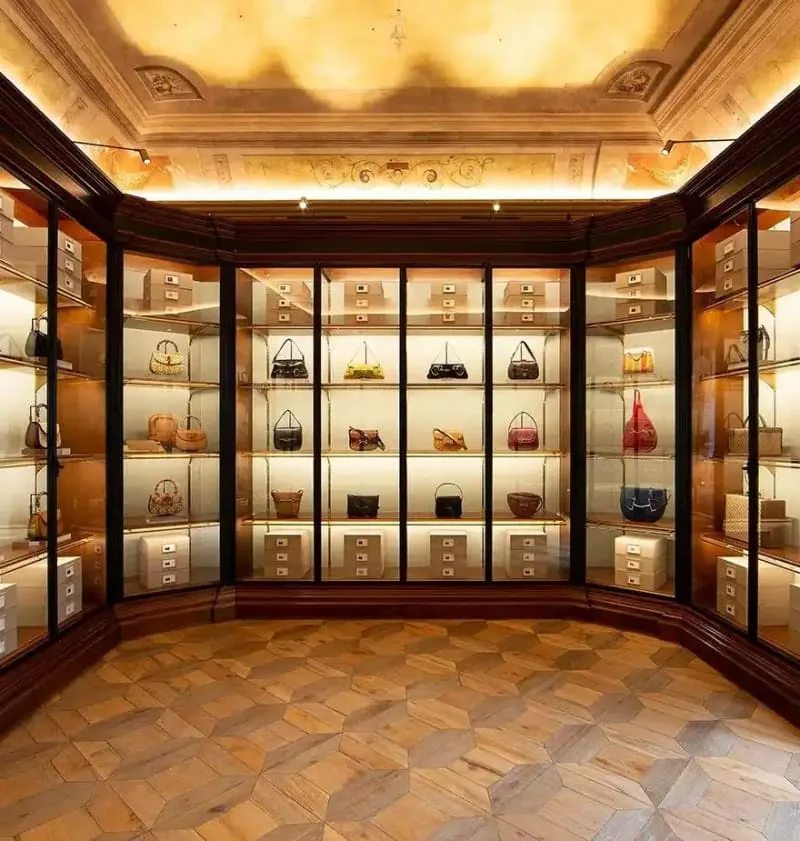
Gucci has lowered prices on a selection of handbags and ready-to-wear products in China, marking an unusual move for a luxury industry that has spent much of the past decade pushing prices steadily higher. The adjustments include several recognizable handbag lines. According to Chinese business publication Jiemian News, the small Mercato tote, introduced for the Spring/Summer 2026 season, was reduced from RMB 25,500 to RMB 20,000. The Ophidia mini bucket bag fell by RMB 3,600 to RMB 8,700, while a GG Marmont mini bucket bag previously priced above RMB 10,000 is now listed at RMB 8,100. Selected apparel has also been affected, with price reductions on items including dresses, swimwear and knitwear. The move comes at a significant moment for Gucci and its parent company Kering, as the Italian fashion house works to rebuild momentum in one of the world’s most important luxury markets.
Gucci’s Revenue Decline Is Slowing
Kering’s first-half 2026 results show why Gucci remains central to the group’s turnaround strategy. Gucci generated €2.757 billion in revenue during the first six months of 2026, down 9% on a reported basis and 5% on a comparable basis. However, the second quarter showed a noticeable improvement: revenue reached €1.410 billion, with comparable sales declining only 2%. Sales through directly operated stores were also down 2% on a comparable basis in the second quarter, an improvement of seven percentage points from the first quarter. Kering said all regions improved during the quarter, with North America continuing to act as a key growth driver. Western Europe and Asia-Pacific showed early signs of recovery, while Mainland China remained challenging despite improving trends. The figures suggest that Gucci’s difficulties have not disappeared, but the pace of decline is moderating.
China Price Adjustments Break With a Long Luxury Tradition
Price increases have been a familiar feature of luxury fashion for years. Raising prices can reinforce exclusivity, protect margins and create an additional sense of scarcity around desirable products. Cutting prices therefore attracts attention. The latest Chinese adjustments are not equivalent to a conventional clearance sale. They affect selected products rather than representing an across-the-board discount campaign. Gucci customer service in China told local media that the brand periodically adjusts product prices according to a combination of market factors and directed customers to official channels for current pricing. Nevertheless, the size of some adjustments is notable. Jiemian reported reductions reaching roughly 30% or more on selected products, while individual changes vary considerably by item. The development comes as luxury companies confront a consumer who has become increasingly sensitive to the relationship between price, design, craftsmanship and perceived value.
A Broader Gucci Reset Is Already Underway
The pricing changes should also be viewed within Kering’s wider transformation plan. At its Capital Markets Day in Florence in April, Kering unveiled ReconKering, a strategy designed to restore desirability, improve execution and position its brands for longer-term growth. Gucci is a major part of that effort. Rather than relying on pricing alone, Kering has been reshaping Gucci’s product architecture, distribution and creative direction. New handbag lines including Borsetto and Paparazzo helped support improved performance during the second quarter, according to the group. The company is simultaneously reducing costs and optimizing its physical retail network. Kering completed 84 net store closures across the group during the first half of 2026 after 75 net closures in 2025. For Gucci, the challenge is therefore broader than simply convincing shoppers that a particular handbag is now better priced. The brand needs to restore excitement around its products while making its commercial structure more efficient.
Handbags Remain Central to the Luxury Fashion Battle
Leather goods are particularly important because handbags often provide one of the clearest points of contact between a luxury brand and consumers. The online environment has also changed the way shoppers evaluate them. Consumers can now compare silhouettes, colors, sizes and prices across an enormous selection before ever entering a physical store. That broader choice extends beyond individual luxury houses. Fashion shoppers browsing online collections such as CarryNana can move between shoulder bags, totes, crossbody styles and other designs, reflecting a market in which consumers increasingly compare not only labels but also proportion, styling and everyday usability. This makes pricing more visible than it once was. A shopper can quickly decide whether a small bucket bag, medium shoulder bag or larger tote offers enough value for the way she actually intends to use it. For luxury companies, maintaining desirability while convincing consumers that prices remain justified has consequently become increasingly important.
Beauty Is Another Part of Gucci’s Long-Term Strategy
Kering is also making a major long-term bet outside fashion and leather goods. In July, Gucci and L’Oréal signed a 50-year exclusive beauty license agreement. The agreement is expected to take effect in mid-2027, following regulatory approvals and the early redemption of Gucci’s existing Coty license. The partnership combines Gucci’s global brand with L’Oréal’s fragrance and beauty development and distribution capabilities, potentially giving the fashion house another major avenue for long-term growth. Kering received €300 million related to the Gucci Beauty agreement during the first half of 2026. At the same time, Gucci’s recurring operating margin increased to 17.0%, up one percentage point from the first half of 2025, despite the decline in revenue. Kering attributed the improvement to continued cost discipline.
The Bigger Question Is Whether Desirability Returns
Lower prices may help selected products become accessible to a broader group of consumers, particularly in a market where luxury shoppers have become more cautious. But pricing alone cannot rebuild a fashion house. Gucci’s recovery ultimately depends on whether its new products, creative direction and retail strategy can make consumers want the brand strongly enough to return to stores and buy. The early signs are mixed but improving. Revenue is still lower than a year ago, while second-quarter trends were substantially better than those of the first quarter. Mainland China remains difficult, but Kering says conditions improved during the quarter. That makes Gucci’s Chinese price adjustments more interesting than a conventional markdown. They are one visible part of a much larger attempt to recalibrate what the brand offers, what consumers are willing to pay for it, and how one of luxury fashion’s biggest names can regain momentum in a changing market.