What to Expect When Dining at a Chinatown Restaurant in New York City
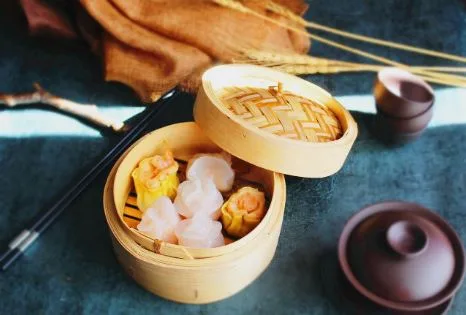
New York City has no shortage of places to eat, but Chinatown remains one of the most recognizable destinations for people looking for Chinese food, traditional flavors, casual meals, and memorable dining experiences. A Chinatown restaurant in New York City can offer everything from steamed dim sum and hand pulled noodles to roasted meats, seafood dishes, dumplings, fried rice, and regional Chinese specialties.
For visitors, Chinatown is more than a place to grab a quick meal. It is a neighborhood where food, history, family traditions, and local businesses come together. Whether someone is visiting Manhattan for the first time or has lived in New York for years, spending time in Chinatown can provide a different perspective on the city’s food culture.
Why Chinatown Is Popular for Chinese Food
Chinatown has developed a strong reputation for Chinese cuisine because of its long connection with Chinese immigrant communities. Over the years, restaurants, bakeries, markets, tea shops, and other businesses have helped establish the area as an important part of New York City’s cultural identity.
One of the biggest reasons people visit is variety. A single street can offer several different approaches to Chinese cooking. Some restaurants focus on Cantonese cuisine, while others specialize in Sichuan dishes, noodles, dumplings, seafood, or dim sum.
This variety makes Chinatown restaurants NYC popular with different types of diners. Someone looking for a quick lunch can find affordable options, while groups looking for a longer dinner can choose restaurants with extensive menus and larger dining rooms.
A Wide Range of Chinese Dishes
One of the best parts of dining in Chinatown is having access to a broad selection of dishes. Chinese cuisine covers many regional traditions, so menus can vary considerably from one restaurant to another.
Dim sum is particularly popular for people who enjoy ordering several small dishes for the table. Steamed dumplings, shrimp dumplings, pork buns, rice noodle rolls, and other small plates allow diners to try several flavors during one meal.
Noodle dishes are another common choice. Depending on the restaurant, diners may find soup noodles, stir fried noodles, beef noodles, or other preparations featuring wheat or rice noodles.
Roasted meats are also associated with Cantonese cooking. Roast duck, barbecue pork, and roast pork are often served with rice or noodles and can make a satisfying meal without requiring a large number of side dishes.
For people who prefer stronger flavors, some restaurants offer dishes influenced by Sichuan cooking. These meals may feature chili peppers, Sichuan peppercorns, garlic, fermented ingredients, and aromatic sauces.
Choosing a Restaurant Based on the Occasion
The right Chinese restaurant in Chinatown NYC depends partly on why you are visiting. A quick meal between sightseeing stops calls for a different setting than a family dinner or a gathering with friends.
For lunch, casual restaurants can be a practical choice. Many diners prefer ordering a rice or noodle dish that can be served relatively quickly. This makes lunch in Chinatown convenient for people working nearby or visitors with a busy schedule.
Dinner provides more opportunity to order several dishes and share them. Chinese dining often works particularly well for groups because many dishes are designed to be placed in the center of the table. Each person can take a portion, allowing the group to sample several items.
Dim sum is another good choice when the goal is to share food. Instead of ordering one large entree per person, diners can select multiple smaller dishes and try different combinations.
How Group Dining Works
Sharing food is an important part of many Chinese dining experiences. Rather than treating every dish as an individual serving, groups often order several items for everyone at the table.
This approach can make the meal more social. One person may choose dumplings, another may order vegetables, while someone else selects a noodle or seafood dish. Once everything arrives, everyone can sample a little of each item.
When dining with a larger group, it can help to consider the number of dishes before ordering. A table with several people can usually handle more variety than a couple dining alone. Asking restaurant staff about portion sizes can also help prevent ordering too much food.
Rice and vegetables can provide balance alongside richer dishes. Soups, noodles, seafood, and meat dishes can also be combined depending on personal preferences.
What Makes Chinatown Dining Different
Chinatown dining New York City offers a setting that feels different from many restaurant districts around Manhattan. The area is closely connected to Chinese culture, and the concentration of food businesses means diners can encounter familiar dishes alongside less common specialties.
The neighborhood also attracts both locals and tourists. That combination contributes to a varied dining scene. Some establishments have been serving customers for many years, while newer restaurants continue to add different ideas and presentations.
The atmosphere can range from simple and casual to polished and spacious. There is no single Chinatown restaurant experience, which is part of the appeal. Diners can choose according to their budget, group size, preferred cuisine, and desired atmosphere.
Dim Sum as a Social Meal
Dim sum deserves special attention because it is closely associated with group dining. Instead of one large course, a dim sum meal can involve several small dishes arriving throughout the meal.
Popular selections may include steamed shrimp dumplings, pork dumplings, barbecue pork buns, spring rolls, rice noodle rolls, sesame balls, and egg tarts. Menus vary from restaurant to restaurant, so diners may encounter different specialties.
The small serving format also makes dim sum useful for people who are trying Chinese cuisine for the first time. Ordering several dishes gives everyone at the table an opportunity to sample different textures and flavors.
For visitors searching for a Chinatown restaurant New York City, a dim sum restaurant can therefore be a practical option when the group wants variety rather than a single large entree.
Tips for Ordering Chinese Food
A little planning can make the dining experience easier. First, consider how many people are eating and whether the dishes are intended for sharing. If the restaurant serves family style portions, several dishes may be enough for a group.
It is also worth asking about ingredients when necessary. Some Chinese dishes contain seafood, peanuts, sesame, eggs, dairy, or other ingredients that may not be obvious from the name alone.
If you are unfamiliar with a particular dish, asking the staff for a recommendation can be useful. Restaurant employees often know which dishes are popular with regular customers and which options are suitable for first time visitors.
People who prefer mild food should also mention their preference when ordering. Certain regional Chinese dishes can be considerably hotter than diners expect.
Finding the Best Chinatown Food New York Has to Offer
Searching for the best Chinatown food New York provides a long list of possibilities because personal taste plays a major role. One diner may prioritize handmade noodles, while another may care more about dim sum, seafood, roasted meats, or vegetarian dishes.
Instead of relying only on popularity, consider what type of meal you actually want. Look at the menu, portion sizes, location, atmosphere, and type of cuisine before making a decision.
Reviews can provide useful information, but they should not be the only factor. A restaurant that receives praise for spicy Sichuan food may not be the right choice for someone looking for Cantonese dim sum.
It can also be useful to try different restaurants over time. Chinatown has enough variety that one visit rarely covers everything the neighborhood has to offer.
Dining in Chinatown With Family
Families can find plenty of options in Chinatown because many Chinese dishes work well for sharing. Parents can order familiar choices for children while also adding dishes that adults want to try.
Rice, noodles, dumplings, vegetables, and simple meat dishes can make it easier to accommodate different preferences at the same table.
Large tables are also useful for family meals because several dishes can be placed in the center. This arrangement allows everyone to choose what they want without requiring separate meals.
For families visiting Manhattan, Chinatown can also fit naturally into a broader day of sightseeing because of its central location and proximity to other Lower Manhattan attractions.
Chinatown Food for Visitors
Visitors often arrive in Chinatown with a list of foods they want to try. Dumplings, dim sum, noodles, roast duck, barbecue pork, and other Chinese specialties are common starting points.
However, it is worth leaving room for something unexpected. Menus can contain dishes that are less familiar to visitors but offer a better introduction to a particular regional cooking style.
For tourists, the neighborhood itself can also be part of the experience. Walking through Chinatown before or after a meal gives visitors a chance to see food markets, bakeries, specialty shops, and other local businesses.
A restaurant such as Dim Sum Palace can be considered by diners looking for a dedicated dim sum experience in New York City.
What to Consider Before Visiting
Restaurant hours, wait times, menu availability, and seating arrangements can change, so checking current information before visiting is sensible. This is particularly useful when dining with a large group or visiting during a busy period.
Some popular restaurants may have queues during peak lunch and dinner hours. Arriving earlier or planning some flexibility can make the experience less stressful.
Budget is another factor. Chinatown includes restaurants at different price points, so checking menu prices beforehand can help you choose a place that fits your plans.
It is also helpful to consider dietary preferences. Vegetarian diners, seafood lovers, and people avoiding specific ingredients can often find suitable choices, but confirming ingredients with restaurant staff is the safest approach.
Why Chinatown Remains a Major Food Destination
The continued popularity of Chinatown comes from more than the number of restaurants in the area. Its food culture has developed through generations of families, cooks, business owners, and communities that have contributed to New York City’s culinary identity.
The neighborhood offers accessibility, variety, and a strong connection to Chinese cuisine. A diner can enjoy a quick bowl of noodles one day and return another day for an extended dim sum meal with friends.
That flexibility makes Chinese food in Chinatown Manhattan appealing to both casual diners and dedicated food lovers. There is always another dish to try, another restaurant to visit, or another regional cooking style to experience.
Final Thoughts
A visit to a Chinatown restaurant in New York City can be as simple or as extensive as you want it to be. You might stop for dumplings during a busy afternoon, sit down for a family dinner, or spend several hours sharing dim sum with friends.
The neighborhood’s variety is one of its strongest qualities. Cantonese specialties, dim sum, noodles, seafood, roasted meats, dumplings, and regional Chinese dishes give diners plenty of choices.
For anyone interested in Chinatown restaurants NYC, the best approach is to consider the type of food, dining occasion, group size, budget, and atmosphere before choosing a restaurant. With so many options in one part of Manhattan, Chinatown remains a natural destination for anyone who wants to experience Chinese cuisine in New York City.