Voted Best Dentist in Wayne, PA: The Dental Problems of Your Sixties Are Not the Ones You Had at Thirty
Along the Main Line you see a lot of households with three generations in play: a couple in Wayne or Radnor, kids in braces, and a parent nearby or upstairs who needs a ride to appointments. The dental care in those three groups looks nothing alike, and the middle generation usually ends up managing all of it.
The part that catches people off guard is that the rules they learned as young adults stop applying. A person who has had two cavities in fifty years can suddenly start getting them at seventy, in places they have never had them before, and nothing about their habits has changed.
Why decay comes back later in life
Three things shift, and they compound.
Gums recede, exposing root surface. The root is not covered in enamel. It is covered in cementum, which is softer and demineralizes at a higher pH than enamel does. A pocket of plaque that would take years to cause a problem on a crown surface can cause one on an exposed root in months. Root caries is the signature decay pattern of later life and it is fast.
Medications dry the mouth. This is the big one, and it is a numbers problem. Drugs for blood pressure, cholesterol, depression, anxiety, allergies, overactive bladder, Parkinson’s, and sleep all commonly reduce saliva. Someone on five daily medications has a very good chance of at least two being drying. Saliva is the mouth’s primary defense, and reduced flow changes the entire risk profile.
Dexterity declines. Arthritis in the hands, reduced shoulder range, or any tremor makes thorough brushing genuinely harder, especially on the back teeth and the tongue side.
Add those together and you get a patient with a lifetime of excellent dental health who suddenly needs three fillings, feels ashamed about it, and assumes they got lazy. They did not. The environment changed.
What actually helps
Prescription fluoride toothpaste. For anyone with exposed root surfaces or reduced saliva, a 5,000 ppm fluoride paste used at night is the single most effective intervention available. It is inexpensive and it is dramatically more protective than over-the-counter paste.
An electric toothbrush with a large handle. Not because the brushing technology is magic, but because it removes the dexterity requirement. The brush does the motion. The user only has to position it.
Fix the dry mouth directly. Sugar-free lozenges, xylitol gum, a bedroom humidifier, and dedicated dry-mouth rinses all help. So does a conversation with the prescribing physician, because sometimes a same-class alternative is less drying. That is a real option and it is rarely raised.
Shorter recall intervals. Six months is a default, not a rule. Someone with root exposure and five medications is often better served at three or four month intervals, where problems are caught while they are still small.
Water flossers. For patients with bridges, implants, or large gaps, they are often more effective in practice than string floss, because they get used.
The conversation about a parent’s teeth
If you are the one driving, there are a few things worth watching for that a parent will not volunteer.
Weight loss and a change in what they are eating is frequently a dental problem wearing a nutrition costume. People who cannot chew comfortably shift to soft, processed food and lose protein intake. That has consequences well beyond the mouth.
A denture that “still fits fine” after fifteen years almost certainly does not. The jawbone remodels continuously after teeth are lost, and a denture made for a jaw that no longer exists is held in by habit and adhesive. Sore spots, clicking, and avoiding certain foods are the tells.
Any sore, ulcer, red patch, or white patch that has been in the mouth more than two weeks needs to be looked at. Oral cancer risk rises with age, and early lesions are painless.
And if there is cognitive decline in the picture, dental care needs to be front-loaded. Treatment that is straightforward now becomes far harder to deliver later, and preventing problems is far kinder than treating them under difficult circumstances.
The case for one practice for the whole family
There is a practical argument for consolidating, and it is not just about parking.
A practice that has seen your family across generations knows the patterns. They know your father’s gag reflex, that your mother is on a medication list that changes twice a year, that your teenager clenches. They can stack appointments so one trip covers three people. When you are the person coordinating care for both a fifteen-year-old and a seventy-eight-year-old, that consolidation is worth real money in hours.
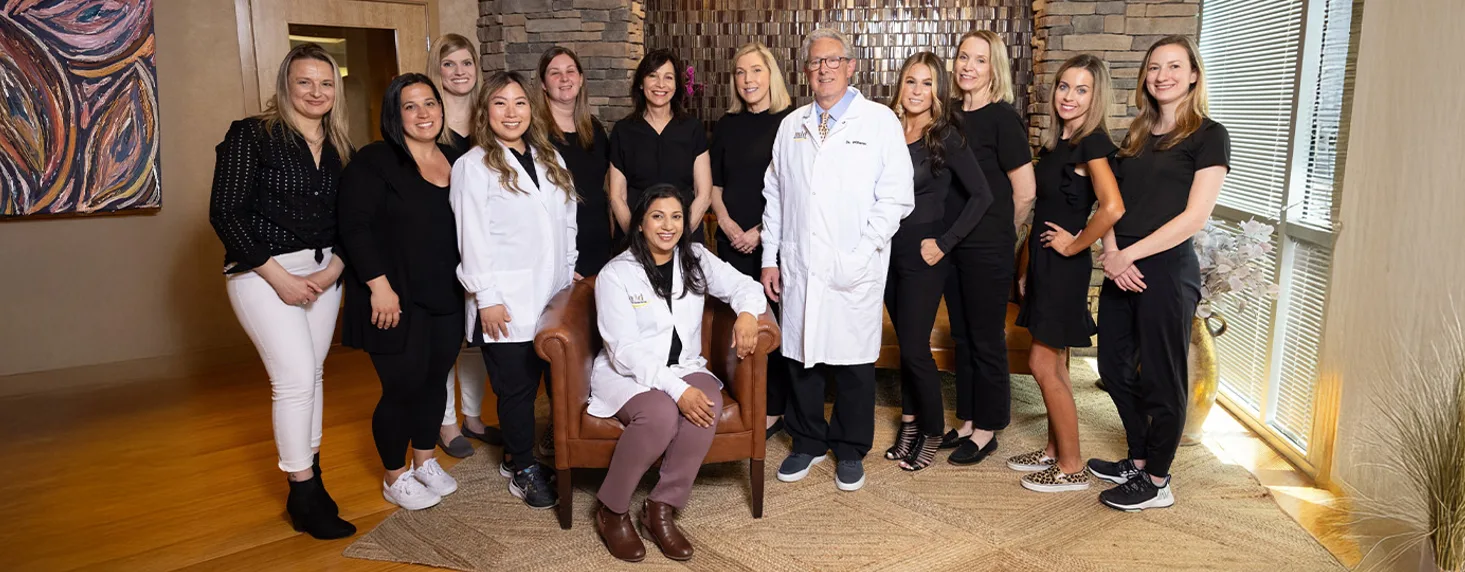
Main Line Dental Group has been Voted best dentist in Wayne, PA and handles the full range, which is the useful thing when one household spans that much of the age curve.
What to bring to the appointment
Two items make an older patient’s visit substantially more productive.
The first is a current, complete medication list, including over-the-counter items and supplements. Not a summary. The actual list. It changes what a dentist recommends and it flags interaction risks before any procedure.
The second is a straight answer about what is actually happening at home. Whether flossing is realistically happening. Whether the denture is being taken out at night. Whether brushing is once a day or twice. Dentists are not there to grade anyone. They are there to build a plan that fits the actual routine, and a plan built on an optimistic description of that routine will not work.
Aging teeth are manageable. They just need a different playbook than the one that worked for the first fifty years.