The Ultimate Guide to Roller Insect Screen Doors: Modern Aesthetics Meets Bug-Free Comfort
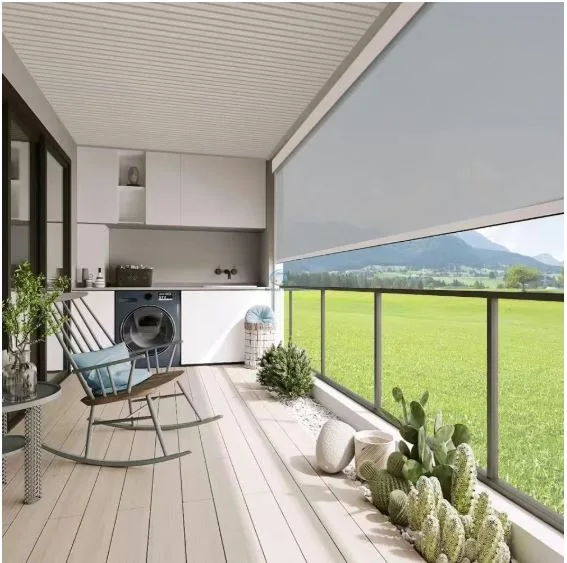
Few simple pleasures match the feeling of opening up your doors on a pleasant morning or cool summer evening to let fresh air flow through your home. Natural ventilation refreshes indoor air, lowers ambient temperatures, and reduces reliance on air conditioning.
However, open doors invariably invite unwelcome guests: mosquitoes, flies, wasps, and crawling insects.
For decades, the standard solution was a fixed aluminum screen door or a hinged storm door. While functional, these traditional options compromise your home’s architectural aesthetics, block natural light, and get in the way during months when screens aren’t needed.
Enter the roller insect screen door. Combining sleek engineering with discreet functionality, these modern screen systems offer the ideal balance between unobstructed views and complete insect protection.
What is a Roller Insect Screen Door?
A roller insect screen door—frequently categorized under the umbrella of Retractable Screens—is a screening system designed to roll away neatly into a protective compact cassette when not in use.
Unlike traditional fixed screens that permanently obscure your doorway, a roller screen operates on a continuous tension coil or spring-loaded roller mechanism. When you want fresh air, you slide the handle across the doorway along top and bottom guide tracks until it latches securely on the opposite side. When you want an open passageway or want to seal your primary solid door, you release the latch, and the mesh neatly coils back inside its slim side frame.
Understanding the internal anatomy of a roller screen helps explain why modern systems operate so smoothly compared to older models:
The Cassette Housing: A powder-coated extruded aluminum box mounted vertically alongside the door frame. It houses the spring roller, holding the mesh under light, constant tension and shielding it from dirt, moisture, and UV degradation when retracted.
Guide Tracks: Slim aluminum channels installed along the top frame and bottom sill. They keep the edges of the mesh securely aligned, preventing wind from blowing the screen out of place.
Internal Spring & Speed Reducer (Damper): A tensioned torsion spring retracts the screen. Premium roller screen doors include a hydraulic or magnetic brake mechanism (soft-close system) so the screen glides back gently into the cassette rather than slamming shut.
Magnetic Latch & Sealing Strip: The lead rail features a full-length magnetic strip or mechanical catch that snaps onto the receiving jamb. Brush pile inserts along the guide tracks create a tight barrier against micro-insects like midges and gnats.
Why Homeowners Are Upgrading from Traditional Screens
Fixed screen doors have been a staple of suburban architecture for generations, but they carry distinct drawbacks. Roller insect screen doors address nearly every limitation of traditional fixed frames.
1. Preserving Unobstructed Views and Natural Light
Your exterior doors—especially sliding glass doors, French doors, and grand front entries—are architectural highlights meant to connect indoor spaces with the outdoors. A fixed screen grid dulls natural sunlight and distorts backyard views year-round. Roller screens disappear completely when retracted, preserving clean sightlines and maximizing natural light.
2. Extended Mesh Lifespan
Standard screens sit outdoors 365 days a year, exposed to UV degradation, heavy rain, snow, and blowing debris. Over time, sunlight renders fiberglass brittle, causing tears and sagging. Because a roller insect screen remains stored inside its protective cassette whenever it isn’t active, its lifespan is drastically longer than that of a fixed screen.
3. Space-Saving Functionality
Hinged screen doors swing outward, requiring clear floor space on your porch or patio. This can interfere with patio furniture, outdoor lighting, or narrow entryways. Roller screens operate strictly within the footprint of the existing door frame, making them ideal for tight balconies, entry landings, and high-traffic pathways.
Exploring Mesh Options for Every Environment
Not all insect screens are created equal. Depending on your location, family needs, and climate, selecting the right mesh fabric ensures maximum comfort.
Standard Fiberglass ===> Balanced air flow & transparency (Great all-rounder)
High-Visibility Mesh ===> Ultra-fine weave, nearly invisible to the eye
Pet-Resistant Mesh ===> Heavy-duty vinyl-coated polyester (Tough against claws)
Solar/UV Mesh ===> Tighter weave that blocks up to 70% of solar heat gain
Standard Fiberglass Mesh: The most common option, featuring a balanced balance of durability, airflow, and cost. It resists rust, corrosion, and staining.
High-Visibility (Micro-Mesh): Woven with finer yarn in a tighter weave pattern. It lets in up to 20% more natural light and airflow than standard screen material while preventing tiny pests like no-see-ums and midges from sneaking through.
Pet-Resistant Mesh: Made from heavy-duty vinyl-coated polyester, this mesh resists tears caused by cat claws and dog paws. It is slightly thicker, making it best suited for heavy-duty manual roller screen frames.
Solar Blocking Mesh: Engineered to block a percentage of incoming solar radiation before it hits your interior space, lowering cooling demands while keeping insects out.
Configuration Compatibility: Door Types
Roller screen systems can be tailored to fit almost any door opening in modern or traditional home builds.
A single vertical cassette mounts to either the left or right jamb. The handle pulls horizontally across the opening and latches onto the opposite side frame. This setup works equally well for inward- or outward-swinging entry doors, as well as kitchen back doors.
French and Double Doors
Double doors require a dual-cassette system—one mounted on each outer jamb. When both main doors are open, both screens pull inward toward the center, meeting in the middle via a magnetic strip. If only one door leaf is open, one screen can be locked stationary in the center while the other functions normally.
Wide-Span Sliding and Bifold Doors
Large architectural openings, such as multi-panel bifolding patio doors, require specialized wide-span roller screens. These systems can be operated manually with low-friction pull handles or fitted with integrated motorization for effortless control at the press of a button or wall switch.
Energy Efficiency and Natural Climate Control
Beyond keeping bugs at bay, roller insect screens contribute directly to home energy efficiency.
During spring, late summer, and autumn, many households run air conditioning simply because opening glass doors lets pests inside. Utilizing high-performance Retractable Screens allows you to leverage natural cross-ventilation—drawing cool breezes through front and rear openings to flush out trapped solar heat inside the house.
This passive ventilation strategy:
Decreases HVAC energy consumption and lowers monthly utility expenses.
Improves indoor air quality by constantly circulating fresh outdoor air.
Extends the operating lifespan of air conditioning units by reducing overall run hours.
Measuring and Installation Basics
Achieving a smooth, effortless glide requires precise installation. While many handy homeowners install pre-trimmed DIY screen kits, custom professional installs guarantee a exact fit, especially on out-of-square door frames.
Determine Mount Type: Decide between an In-Jamb Mount (recessed inside the door frame casing) or a Surface/Face Mount (installed directly onto the exterior trim or brick face).
Measure Width in Three Spots: Measure across the top, middle, and bottom of the frame opening. Use the narrowest dimension to ensure the cassette fits without binding.
Measure Height in Two Spots: Measure left and right vertical heights from the head jamb down to the threshold.
Check Threshold Angle: Ensure the bottom track rests flat on a solid sill or adaptive threshold wedge so water drains away properly without catching the bottom guide edge.
Maintenance Guide for Long-Lasting Operation
A quality roller insect screen door requires minimal effort to maintain, but regular upkeep will keep the spring mechanism pulling smoothly for years.
Clean the Guide Tracks Quarterly: Dust, dirt, and pet hair accumulate inside the bottom track over time. Vacuum the track regularly using a narrow brush attachment to keep the lead rail gliding smoothly.
Wipe Down the Mesh Gently: Extend the screen fully and wipe the mesh using a microfiber cloth dampened with mild, soapy warm water. Avoid harsh chemical sprays or abrasive sponges that could fray fiberglass threads.
Apply Dry Silicone Lubricant: Spray a light coating of dry silicone lubricant inside the top and bottom guide tracks once or twice a year. Avoid petroleum-based lubricants (like standard WD-40), which attract dirt and turn into sticky sludge inside tracks.
Retract During Harsh Weather: Retract the screen into its cassette during heavy storms, high winds, and winter freezes. Keeping mesh sealed away during bad weather prevents unnecessary wear and wind stress.
Choosing the Right Screen for Your Home
When evaluating options on the market, look for these quality hallmarks:
Extruded Aluminum Housings: Avoid thin plastic or flimsy vinyl cassette boxes. High-grade extruded aluminum offers superior structural rigidity and withstands sun exposure without warping.
Integrated Speed Reducers: Ensure the roller mechanism includes a soft-retract damper system so the lead rail doesn’t snap back aggressively if dropped.
Replaceable Components: Choose manufacturers that offer replacement mesh inserts and wear strips so you can repair your unit without buying an entirely new assembly if accidental damage occurs.
Powder-Coated Finish Options: Match the aluminum cassette frame to your existing window or door frames for a seamless, factory-built appearance.
By replacing bulky traditional screen doors with a modern roller system, you preserve your home’s aesthetics while enjoying fresh, pest-free air whenever you want it.