How to Balance Cost, Quality, and Long-Term Value in Home Improvements
Every home improvement starts with the same quiet tension. You want the work done well, you want it to last, and you want to pay a fair price for it. Those three goals rarely line up neatly. Push hard on price, and something else usually gives way. Chase the best of everything and the budget stops making sense. Most homeowners end up somewhere in the middle, and the ones who are happiest years later are the ones who thought carefully about where to stretch and where to hold back. Getting that balance right is less about spending more and more about spending with a clear head.
Where Cost, Quality, and Long-Term Value Meet
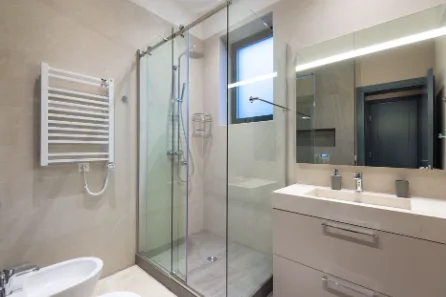
Most homeowners begin a project with a rough number in mind and only later discover how many separate decisions sit behind it. A shower is one of the clearest examples, because a worn one keeps producing leaks, stains, and repair bills long after the first patch job has been done. Replacing the unit outright, rather than repairing it for the third or fourth time, is usually the choice that ends that cycle for good. Homeowners who want the job settled properly tend to rely on shower replacements handled by an experienced remodeling team.
Understanding What You Are Really Paying For
A quote is never just a price for materials. It covers labor, preparation, cleanup, disposal of the old fittings, and the experience of the people doing the work. Two numbers that look far apart on paper often cover very different amounts of work. One may include everything from start to finish. The other may leave out steps that you will have to pay for separately once the job is underway.
This is why comparing quotes side by side can be misleading unless you read them closely. Ask what is included, what is not, and what happens if the team finds a problem behind the wall. A company that explains its pricing in plain terms is usually easier to work with once the project begins.
How Quality Shows Up Years Later
Quality is easiest to judge after the fact, which is exactly why it is so hard to shop for. At the point of purchase, most finishes look good, and most promises sound the same. The difference appears gradually, in the surfaces that still clean easily, the seals that stay tight, and the fittings that still move smoothly after heavy daily use.
Good workmanship behaves the same way. A careful installer spends time on the parts nobody sees, because that is where failures start. You will never notice that work directly. You will simply notice that nothing has gone wrong.
Setting a Budget That Reflects Your Priorities
A budget works best when it is built around what matters to you rather than around a single total. Start by listing the parts of the project you cannot compromise on, then the parts you would like if the money allows, then the parts you could live without. That order gives you somewhere to make cuts if the numbers climb, and it stops you from trimming the wrong thing under pressure.
It also helps to leave a small reserve. Older homes in particular have a habit of revealing surprises once work begins. A reserve keeps a small discovery from turning into a stalled project or a rushed decision made purely on cost.
Choosing the Right People for the Job
The team you hire has more influence on the outcome than almost any product choice you make. Look for a company with a long record in your area, clear communication, and a willingness to answer questions before you have committed to anything. Ask how long the work will take, who will be in your home, and what happens if the schedule slips.
Pay attention to how they handle the conversation itself. Contractors who listen carefully, explain their recommendations, and tell you honestly when something is unnecessary are usually the same ones who do careful work on site. Vague answers at the quoting stage rarely turn into precision later.
Materials That Earn Their Place Over Time
Material choices deserve more thought than they usually get. The right option is not always the most expensive one, but it is almost never the thinnest or the newest thing on the shelf. Consider how the surface will be cleaned, how often it will be used, and how it will hold up to moisture, heat, and daily wear.
Think about maintenance as part of the price. A finish that needs constant attention costs you time every week, while a more durable option may ask for very little once it is installed. Over a decade, that difference adds up to far more than the gap in the original invoice.
Thinking Beyond the Finished Look
Appearance matters, but it is only one measure of a successful project. Comfort, safety, and ease of use all shape how you feel about the work months after the last tool has left the house. A space that looks beautiful but is awkward to use will always feel like a missed opportunity.
Resale value is worth considering too, though not at the expense of your own comfort. Well-executed improvements tend to appeal to buyers because they signal that the home has been cared for. Work that was done cheaply signals the opposite, and buyers notice quickly.
Making a Decision You Will Still Be Happy With
The most reliable way to balance cost, quality, and long-term value is to slow down at the decision stage and speed up afterward. Gather a few detailed quotes. Ask direct questions. Be honest with yourself about what you can spend and what you actually need. Then commit to the option that gives you the strongest result for the money you have, rather than the one that simply looks cheapest on the day.
Home improvements are not purchases you repeat often. Treating them as long-term decisions, rather than short-term expenses, usually leads to a home that serves you better and costs you less over the years you live in it.