Benefits of Using a Manual Soap Dispenser in Commercial Spaces
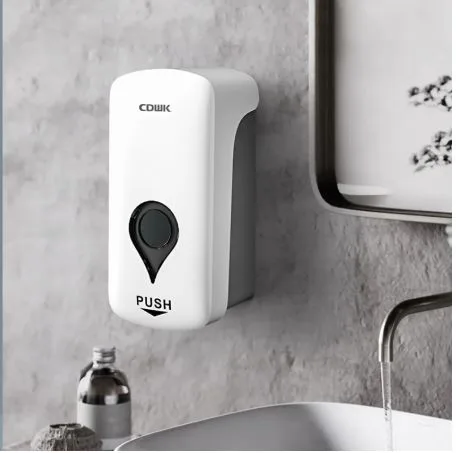
Keeping soap available at handwashing stations is an important part of maintaining a clean and functional commercial environment. Offices, restaurants, schools, gyms, hotels, workshops, and public facilities all need reliable dispensing solutions that can handle regular use.
A manual soap dispenser can be a practical option for these environments. It operates through a physical pump, button, or lever and does not depend on batteries or electrical power. This simple design makes it easy to operate and maintain in many everyday settings.
Simple and Reliable Operation
One of the main benefits of a manual soap dispenser is its uncomplicated operation. Users only need to press the pump or button to receive soap.
Because the system does not depend on electronic sensors, there are fewer electronic components that can fail. This can make manual dispensers convenient for businesses that prefer straightforward equipment.
For facility managers, simplicity can also make troubleshooting easier. If a dispenser stops working, the problem may involve the pump, soap level, or refill rather than an electronic sensor or power supply.
No Batteries or Electrical Connection
Automatic soap dispensers generally require batteries or another power source. Manual models eliminate this requirement.
This can be useful in facilities where battery replacement would create additional maintenance work. It also means a manual dispenser can continue operating without concerns about depleted batteries.
For businesses installing dispensers across many rooms, avoiding battery management can simplify routine maintenance.
Cost-Effective for Many Facilities
Budget is an important consideration when outfitting commercial spaces. A facility may need dozens or even hundreds of dispensers, depending on its size.
Manual dispensers can provide a practical option when a business needs multiple units without investing in electronic equipment.
However, buyers should consider more than the initial purchase price. Durability, refill requirements, replacement parts, and maintenance should also be included when comparing different products.
Easy to Install
Many manual soap dispensers are designed for relatively simple installation. Wall-mounted models can be positioned close to sinks, while countertop models can be placed directly beside the washing area.
Wall mounting can also help keep the counter clear, which makes cleaning around the sink easier. Commercial washrooms frequently use wall-mounted dispensers because they provide a consistent location and make better use of available space.
Suitable for Different Commercial Environments
A manual soap dispenser can be used in many different locations.
Offices
Office bathrooms and staff kitchens often have moderate traffic. A reliable manual dispenser can provide employees with easy access to liquid soap without requiring electronic maintenance.
Restaurants and Kitchens
Commercial kitchens require convenient handwashing stations. A durable dispenser can help keep soap readily available for staff.
Schools
Schools may need multiple dispensers across classrooms, staff areas, and student restrooms. Simple operation and easy maintenance can be useful when many units are installed.
Gyms and Fitness Centers
Shared bathrooms and locker rooms can experience frequent use. Wall-mounted manual dispensers can help keep soap available while minimizing the amount of equipment placed on counters.
Hotels and Guest Facilities
Hotels may choose manual dispensers for staff areas or selected guest facilities where simplicity and ease of maintenance are priorities.
Different Capacity Options
Commercial manual soap dispensers are available in different capacities. Smaller units may be appropriate for locations with limited traffic, while larger models can reduce refill frequency in busy facilities.
Choosing the correct capacity can save maintenance time. If a dispenser is too small for the number of users, staff may need to refill it repeatedly throughout the week.
On the other hand, installing an unnecessarily large unit in a low-use area may not provide much additional value.
Refillable Systems Can Simplify Supply Management
Many manual dispensers are refillable. Depending on the design, staff may add soap directly into a reservoir or replace a compatible refill container.
Refill systems should be evaluated carefully before purchase. Open bulk-fill systems can be economical, while sealed cartridges or bags may simplify the replacement process. Different systems also have different supply and maintenance requirements.
Businesses should check refill availability and ongoing costs before choosing a dispenser system.
Durable Construction Is Important
Commercial environments can place more demands on equipment than residential bathrooms. Dispensers may be operated dozens or hundreds of times each day.
For this reason, construction quality matters. Durable plastic can be suitable for many applications, while stainless steel may be preferred where a more robust commercial appearance or construction is desired.
The dispensing mechanism should also operate smoothly and consistently.
Easy Cleaning and Maintenance
A commercial soap dispenser should not create unnecessary work for cleaning staff.
A good design should provide easy access to the refill container and dispensing mechanism. Soap residue should be easy to clean from the exterior, and the nozzle should be checked regularly to prevent buildup.
Maintenance teams should also monitor soap levels so dispensers do not remain empty for long periods.
Manual vs. Automatic Dispensers
Manual and automatic dispensers serve different needs.
Manual models are simple, power-free, and generally straightforward to maintain. Automatic models use sensors to dispense soap without requiring users to touch the dispenser. Touch-free systems can be useful where reducing contact points is a priority, but they introduce batteries, sensors, and additional maintenance considerations.
The right option depends on the facility’s traffic level, budget, hygiene requirements, and maintenance capabilities.
Final Thoughts
A manual soap dispenser can be a practical choice for commercial spaces that need reliable soap dispensing without batteries or complex electronic components. Its simple operation, flexible installation options, and straightforward maintenance make it suitable for many offices, kitchens, schools, gyms, and other facilities.
Before purchasing, consider capacity, material, refill type, soap compatibility, installation method, and expected daily usage. Choosing a dispenser based on the actual needs of the facility can help create a cleaner, more convenient, and easier-to-manage handwashing station.