What to Look for in a Solar Inverter Manufacturer
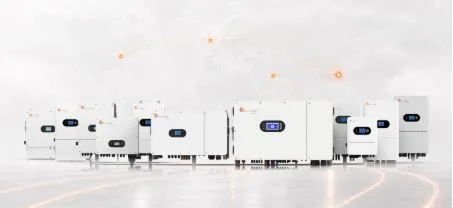
Solar power systems are becoming increasingly sophisticated, and the inverter has a major role in converting and managing the electricity produced by solar panels. Whether a project is residential, commercial, industrial, or off-grid, the inverter needs to match the system’s electrical requirements and operating environment.
For businesses purchasing equipment in volume, finding the right solar inverter manufacturer is about more than comparing prices. Manufacturing capability, product design, quality assurance, technical support, and long-term service can all affect the success of a solar project.
Different Types of Solar Inverters
The first step is understanding the manufacturer’s product portfolio.
Grid-tied inverters are designed to operate with an electrical grid. They can convert solar-generated DC electricity into AC electricity suitable for use within the connected electrical system.
Hybrid inverters combine solar, battery, and grid functionality. They can be used in systems where energy storage and backup power are important.
Off-grid inverters are designed for systems that operate without relying on a utility grid. They are often considered for remote properties, agricultural applications, and other locations where grid access is limited.
A manufacturer offering several configurations can serve a wider range of project requirements.
Manufacturing Facilities Matter
The quality of an inverter depends partly on the processes used to design, assemble, test, and inspect it.
When evaluating a solar inverter manufacturer, buyers should investigate whether the company operates its own manufacturing facilities or relies on external production partners.
Important areas to examine include production lines, component inspection, assembly procedures, automated testing, final quality checks, and product traceability.
A transparent manufacturer should be able to provide reasonable information about its production processes.
Component Quality
An inverter contains numerous electronic and electrical components that must work together reliably.
Manufacturers should have procedures for inspecting critical components before they enter production. Consistent component sourcing can also help maintain product quality between different production batches.
For larger purchases, distributors may want to ask about major component suppliers, quality-control procedures, and how defective components are identified.
Thermal Management
Temperature can affect electronic equipment, particularly in locations with hot climates.
A solar inverter manufacturer should design products with appropriate thermal management for their intended operating environment. Buyers can review operating temperature specifications, cooling methods, derating information, and enclosure ratings.
This is particularly relevant for outdoor installations where equipment may be exposed to direct sunlight, dust, and changing weather conditions.
Product Testing
Testing is an essential part of inverter manufacturing.
Manufacturers may perform functional tests, electrical tests, protection tests, temperature tests, and other quality checks before products are shipped.
For commercial and industrial projects, buyers can request documentation describing the manufacturer’s testing procedures and quality-control system.
Testing does not eliminate every possible failure, but systematic factory testing can help identify manufacturing problems before products reach customers.
Software and Firmware Support
Modern solar inverters are not purely hardware devices. Software and firmware control many important functions, including monitoring, grid interaction, protection settings, and communication.
For this reason, buyers should consider how the manufacturer manages firmware updates and technical issues.
A manufacturer that actively supports its software platform can make it easier for installers to maintain systems over time. Firmware ownership and engineering capabilities can also be useful indicators when evaluating a manufacturer.
Compatibility With Batteries
Battery compatibility is particularly important when purchasing hybrid inverters.
Different battery technologies and battery-management systems may have different communication requirements. Before choosing an inverter, verify that it supports the intended battery type and communication protocol.
A manufacturer should provide clear compatibility information rather than requiring buyers to guess whether a particular battery will work.
Monitoring and Remote Management
Monitoring can help homeowners, installers, and businesses understand how a solar system is performing.
Depending on the manufacturer, monitoring platforms may provide information about energy generation, consumption, battery status, system alerts, and historical performance.
For large portfolios, remote monitoring can be especially useful because technicians may be able to identify abnormal behavior without immediately visiting every installation.
Local Technical Support
A manufacturer’s international presence does not automatically mean it has strong support in every country.
Distributors and installers should investigate whether technical assistance is available in their target market. They should also ask about spare parts, replacement procedures, warranty claims, and repair facilities.
A product can have strong specifications on paper, but practical support is still important once the equipment is installed.
Supply and Delivery Capacity
Large solar projects require predictable equipment supply.
Before signing a major purchase agreement, buyers should discuss production schedules, minimum order quantities, shipping arrangements, packaging, and expected lead times.
A manufacturer that can maintain consistent supply can help installers avoid project delays caused by equipment shortages.
Private Label and OEM Opportunities
Some manufacturers offer OEM or private-label programs for distributors and established solar businesses.
These programs may allow companies to sell products under their own brand or customize certain product features, packaging, documentation, or software.
If OEM services are important, buyers should clarify minimum order quantities, customization options, development costs, certifications, and warranty responsibilities before signing an agreement.
Compare the Complete Cost
Purchase price is only one part of the overall cost of an inverter.
Businesses should also consider shipping, installation, maintenance, warranty claims, spare parts, technical support, and expected service life.
A slightly higher initial price may have different long-term implications depending on the product’s support structure and operating requirements.
The goal should be to compare the complete value of different suppliers rather than looking only at the invoice price.
Ask the Right Questions
Before selecting a manufacturer, prepare a list of technical and commercial questions.
These may include:
- What inverter types and power ranges are available?
- Where are the products manufactured?
- What quality-control procedures are used?
- Which certifications apply to the specific model?
- What is the standard warranty?
- How are warranty claims handled?
- Are spare parts available?
- What monitoring platform is provided?
- Which batteries are compatible?
- What are the production and delivery lead times?
- Is OEM or private-label production available?
Getting clear answers can make supplier comparisons much easier.
Think Long Term
A solar inverter is normally expected to operate for years, so the manufacturer should be evaluated with the same long-term perspective.
Look at the company’s product development, technical support, warranty structure, manufacturing consistency, and ability to supply replacement equipment.
A strong relationship between a manufacturer and distributor can also help businesses respond more effectively to changing customer requirements.
Final Thoughts
Finding the right solar inverter manufacturer requires a combination of technical and commercial evaluation. Product range, factory quality, component sourcing, testing, firmware support, battery compatibility, monitoring, warranty, and after-sales service all deserve attention.
Instead of selecting a supplier based solely on price, businesses should consider how well the manufacturer’s products and support systems match their intended applications.
Careful supplier evaluation can help installers, distributors, and solar businesses establish a dependable equipment supply for both current and future projects.