Choosing an Escalator Manufacturer
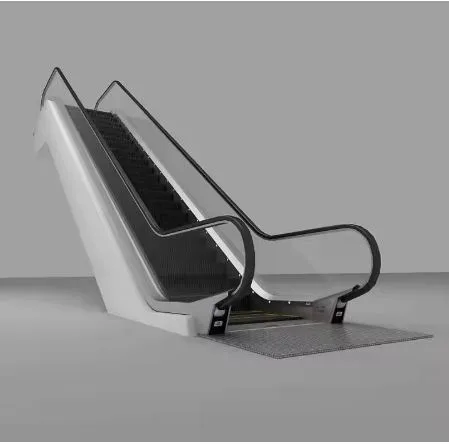
Choosing the right escalator manufacturer is an important decision for any building project that requires reliable vertical transportation. Escalators are long-term investments used in places such as shopping centers, airports, railway stations, hotels, hospitals, and commercial buildings. Their performance can affect passenger safety, operating costs, maintenance requirements, and the overall efficiency of a facility.
Before selecting a manufacturer, project owners and contractors should evaluate several important factors.
Experience and Industry Knowledge
Experience is one of the first things to consider when evaluating an escalator manufacturer. Companies with extensive industry experience may have a better understanding of the engineering, installation, and maintenance challenges associated with different types of projects.
It is useful to examine a manufacturer’s previous installations and determine whether it has worked on projects with similar requirements. A busy shopping mall, for example, may have different needs from a small commercial building.
Experience with large and complex installations can also demonstrate the manufacturer’s ability to coordinate design, production, transportation, and installation.
Product Quality
Escalators operate continuously and can carry thousands of passengers over their service life. Product quality is therefore an important consideration.
Manufacturers should use appropriate materials and reliable components for structural, mechanical, electrical, and safety systems. Buyers can ask about manufacturing processes, quality-control procedures, and component specifications before making a decision.
A well-designed escalator should provide smooth movement while maintaining reliable performance under expected operating conditions.
Safety Features
Safety should be a central consideration when selecting an escalator manufacturer. Modern escalators incorporate various safety mechanisms designed to detect abnormal conditions and stop the system when necessary.
Depending on the model, features may include emergency stop systems, braking mechanisms, step monitoring, handrail monitoring, obstruction detection, and other protective devices.
The manufacturer should be able to explain the safety systems included with its products and demonstrate how the equipment complies with applicable local requirements and recognized industry standards.
Customization Options
Every building has different architectural and operational requirements. For this reason, customization can be valuable when selecting an escalator.
Manufacturers may offer different escalator widths, finishes, lighting options, handrail designs, balustrade configurations, and operating features.
The available options can depend on the manufacturer’s product range. A manufacturer that can accommodate the project’s technical and aesthetic requirements may make the planning and installation process easier.
Energy Efficiency
Escalators can operate for many hours each day, particularly in busy public facilities. Energy efficiency can therefore influence long-term operating expenses.
Some modern systems include features such as standby operation or variable-speed controls. These technologies can reduce energy consumption during periods of low passenger traffic while maintaining availability when demand increases.
When comparing products, buyers should consider both the initial purchase price and the expected operating costs.
Installation Support
Manufacturing is only one part of an escalator project. Proper installation is essential for safe and reliable operation.
A manufacturer should provide clear installation specifications and, where applicable, trained technicians or qualified installation partners. Coordination between the manufacturer, contractor, and building team is particularly important for large projects.
Installation requirements should be understood early in the planning process so that the building structure and electrical systems can be prepared correctly.
Maintenance and Spare Parts
Escalators contain numerous moving and electrical components that require periodic inspection and maintenance. Before selecting a manufacturer, buyers should understand the available after-sales service.
Questions about maintenance schedules, technician availability, replacement parts, and service response times can help clarify long-term support.
Access to genuine replacement parts is also important. Delays in obtaining essential components can increase equipment downtime and maintenance costs.
Warranty and Technical Support
Warranty terms can vary between manufacturers and products. Buyers should carefully review what the warranty covers, how long it lasts, and which conditions may affect coverage.
Technical support is another useful consideration. A manufacturer that provides documentation, troubleshooting assistance, and maintenance guidance can help building operators manage the equipment more effectively.
All warranty and service terms should be clearly documented before a project begins.
Compliance With Standards
Escalators must meet applicable safety and building requirements. These requirements can vary depending on the country, location, and type of installation.
A manufacturer should provide relevant technical documentation and demonstrate that its equipment has been designed and tested according to applicable standards.
Project owners should work with qualified professionals to confirm which regulations apply to their specific installation.
Total Cost of Ownership
Price is an important factor, but the lowest initial quotation does not necessarily represent the complete cost of an escalator.
Buyers should consider purchase price, installation, energy consumption, maintenance, spare parts, expected service life, and potential downtime.
Looking at the total cost of ownership provides a broader understanding of the financial requirements of the equipment over its operational life.
Conclusion
Choosing an escalator manufacturer requires careful consideration of product quality, safety, experience, customization, energy efficiency, installation support, maintenance, and technical service.
A detailed comparison of manufacturers can help project owners identify equipment that matches their building’s requirements and operating conditions. By evaluating both the initial investment and long-term support, buyers can make a well-informed decision about their escalator system.